
Wood-frame walls with hollow cavities
Most framed walls can be drilled and filled from inside or outside through small holes near the top of each cavity, which fills the wall without opening it up.
Rooms that run cold or hot by the outside walls? We fill the hollow walls from inside or out, after the repairs they need.
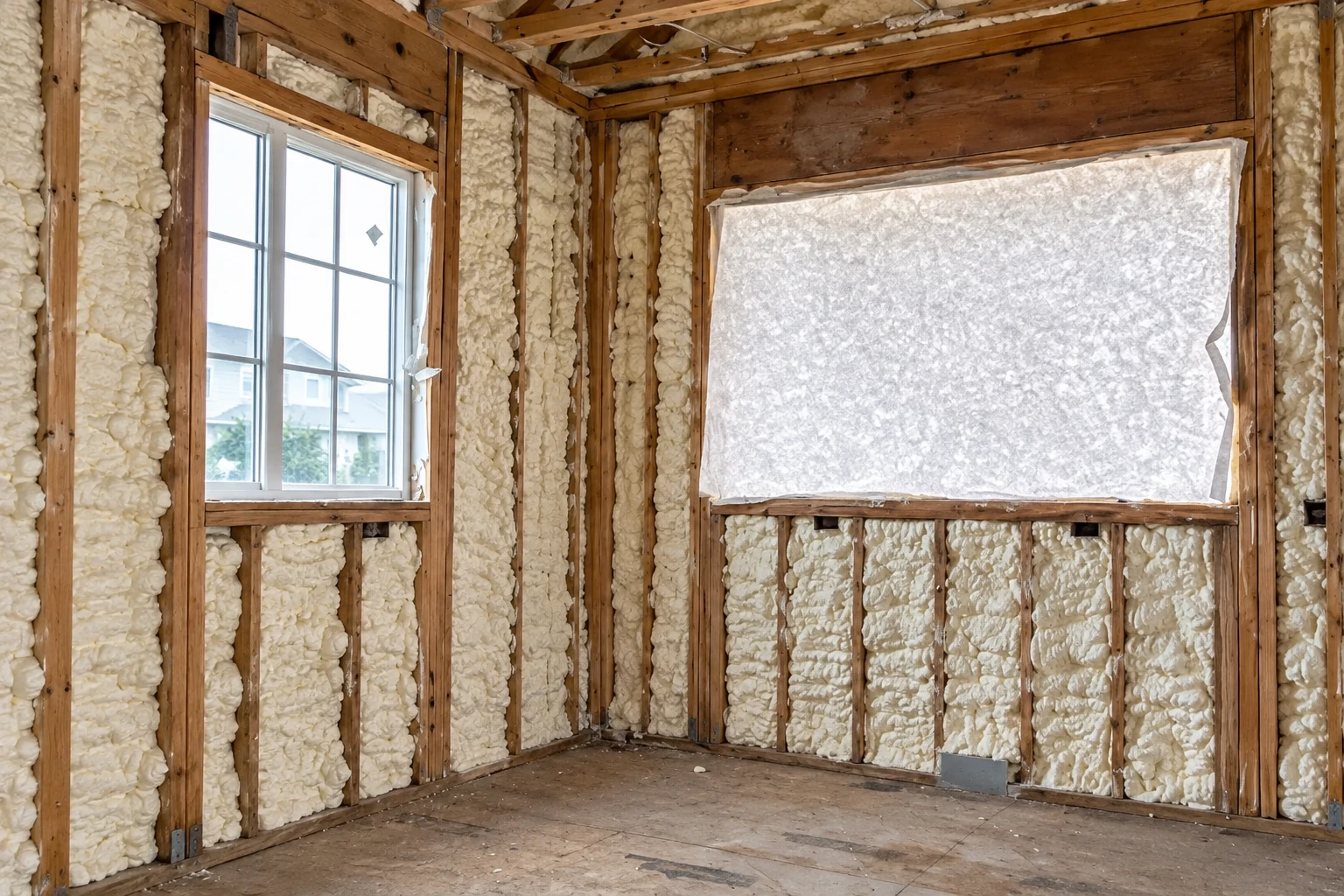
Wall insulation in Hesperia is how we fill the empty spaces inside your existing walls. We usually drill small holes near the top of each cavity and blow in loose fill, so a room stops losing heat or cool through the outside walls and nobody has to tear the walls open.
Most people call us because one room never feels right and the power bill keeps climbing. If the walls are empty, more attic insulation won't fix that room.
The price depends on how much wall we're filling, which side we go in from, how much siding or drywall needs patching afterward and whether there's damp, cracking or old wiring to fix first. The schedule depends on those same repairs, plus a permit and inspection if the job calls for one. I look at the walls myself before I put anything on paper.
I'm the one who comes out, looks at your walls and writes the estimate, so the person pricing your job has actually stood in the room and seen the walls.
Our own crew does the install, and I check the work before we leave, so a missed cavity or a sloppy patch gets caught while we're still at your house.
I learned this trade working my dad's jobs and started this business in 2013. If your walls don't need us yet, I'll tell you that instead of selling you a job.
Before we fill anything, I want your build year and any signs of damp or cracks, because they change how we fill the walls. We find and repair moisture in the siding, the sheathing boards behind it, the framing around doors and windows or the drywall inside first. We fix cracks too, since packing insulation in tight can make a weak spot worse.
On a hollow wall, our crew drills small holes near the top of each cavity, the space between two studs, and blows loose fill in through a hose until it's packed full. Then we plug and patch the holes. Gaps around outlets, pipes and window frames still let air slip past a full wall, so we close them with our air sealing services where they need it.
In Hesperia, the state's energy standards for walls and the rest of a house's outer shell depend on the climate zone the house sits in, so I check which ones apply when I plan your job. We're based in Hesperia and do the same work in Victorville, Apple Valley, Phelan and the other cities around it. If the walls you're worried about are below ground, that's our basement insulation work, and I can look at it on the same visit.
Most framed walls can be drilled and filled from inside or outside through small holes near the top of each cavity, which fills the wall without opening it up.
These walls often have no insulation and no hollow space to fill, so the route worth taking is adding insulation to the inside face of the outer walls.
Lead safety rules can come into play on older homes, depending on how much the work disturbs the walls. Tell me the build year early so we can plan around it.
The electrical code doesn't allow insulation on or around this old wiring, the kind strung on ceramic knobs, so if your house has it, it gets dealt with before we fill a wall.
Send the form and we'll reply within one business day to set a time. I come out, look at your walls myself and write you a free estimate, with no obligation to go ahead.
The build year tells me whether lead rules or older wiring might be part of the job, so having it ready saves a step when I come out.
Framed walls and block or brick walls need different approaches, so tell me what you know, or that you don't know, and I'll check when I'm there.
Stains, peeling paint, cracks and old wiring all get fixed before any insulation goes in, so mentioning them up front helps me plan the repairs first.
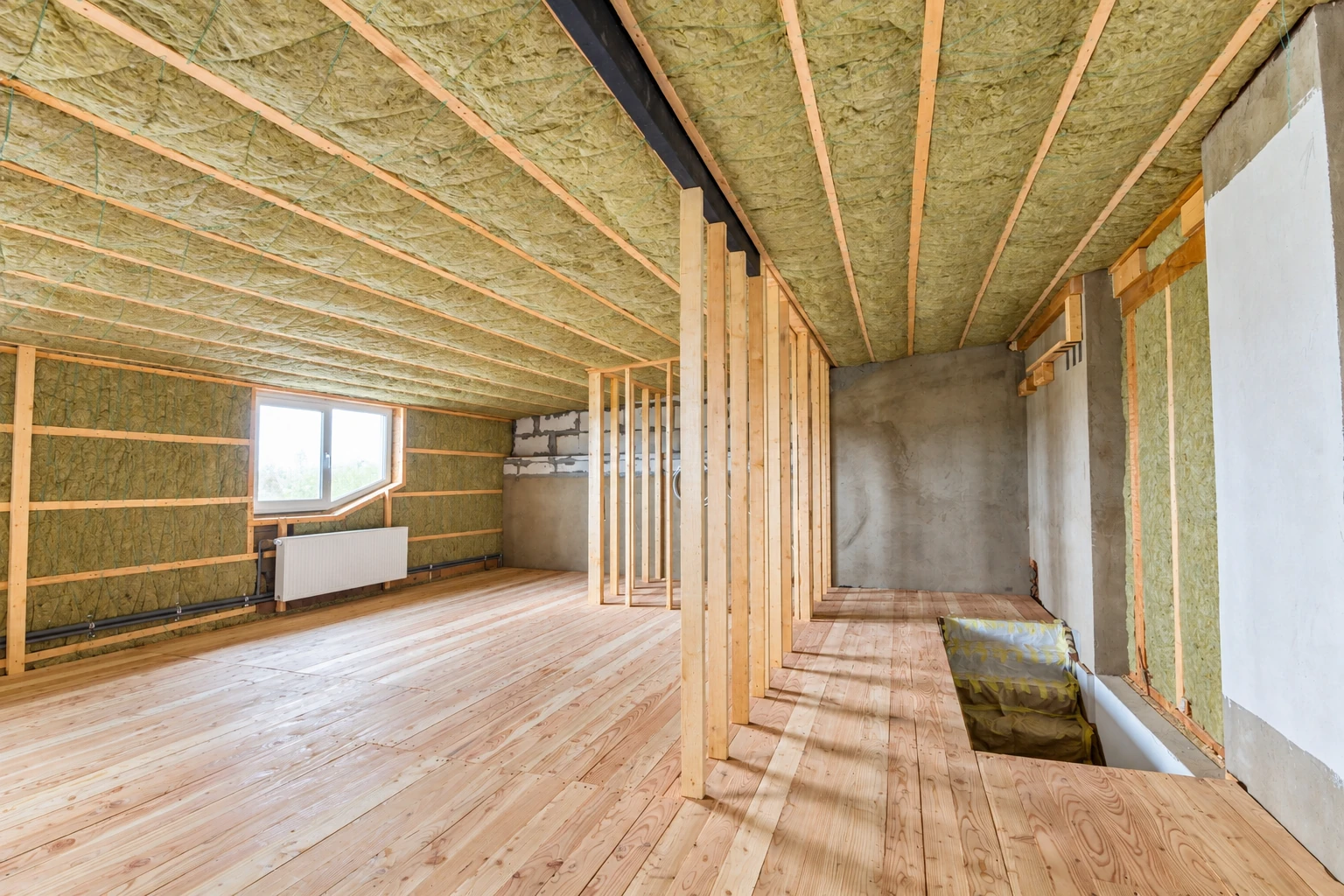
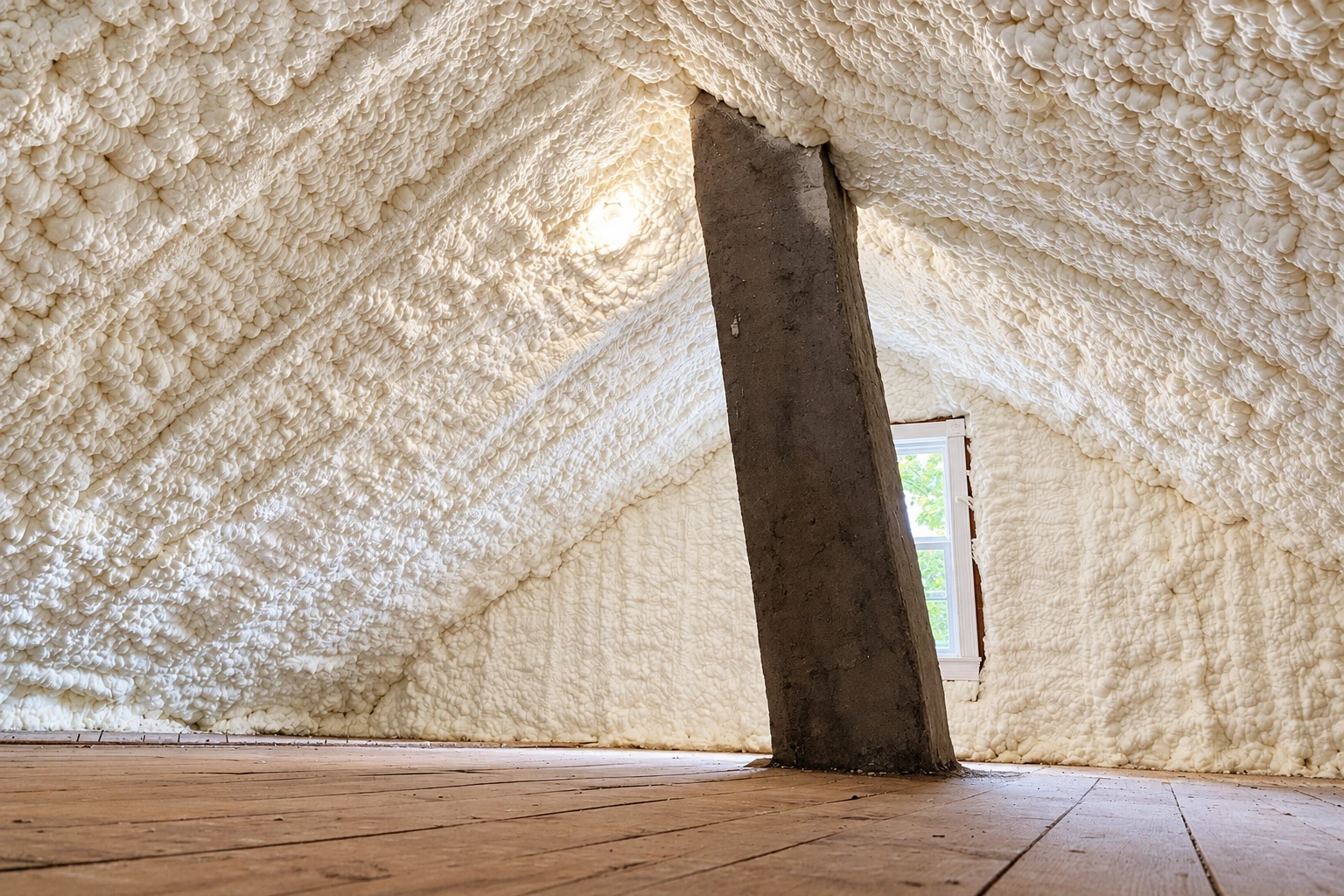
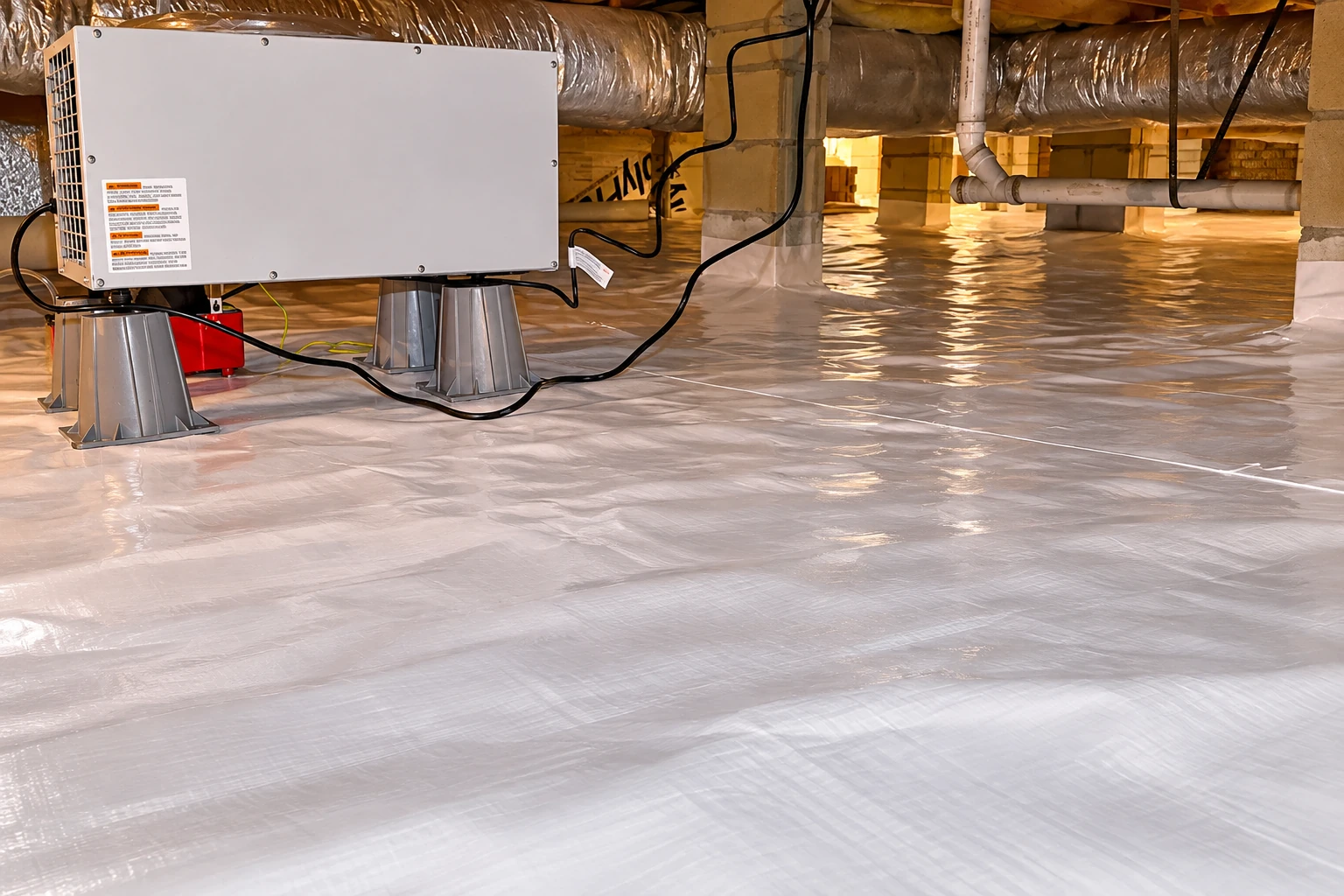
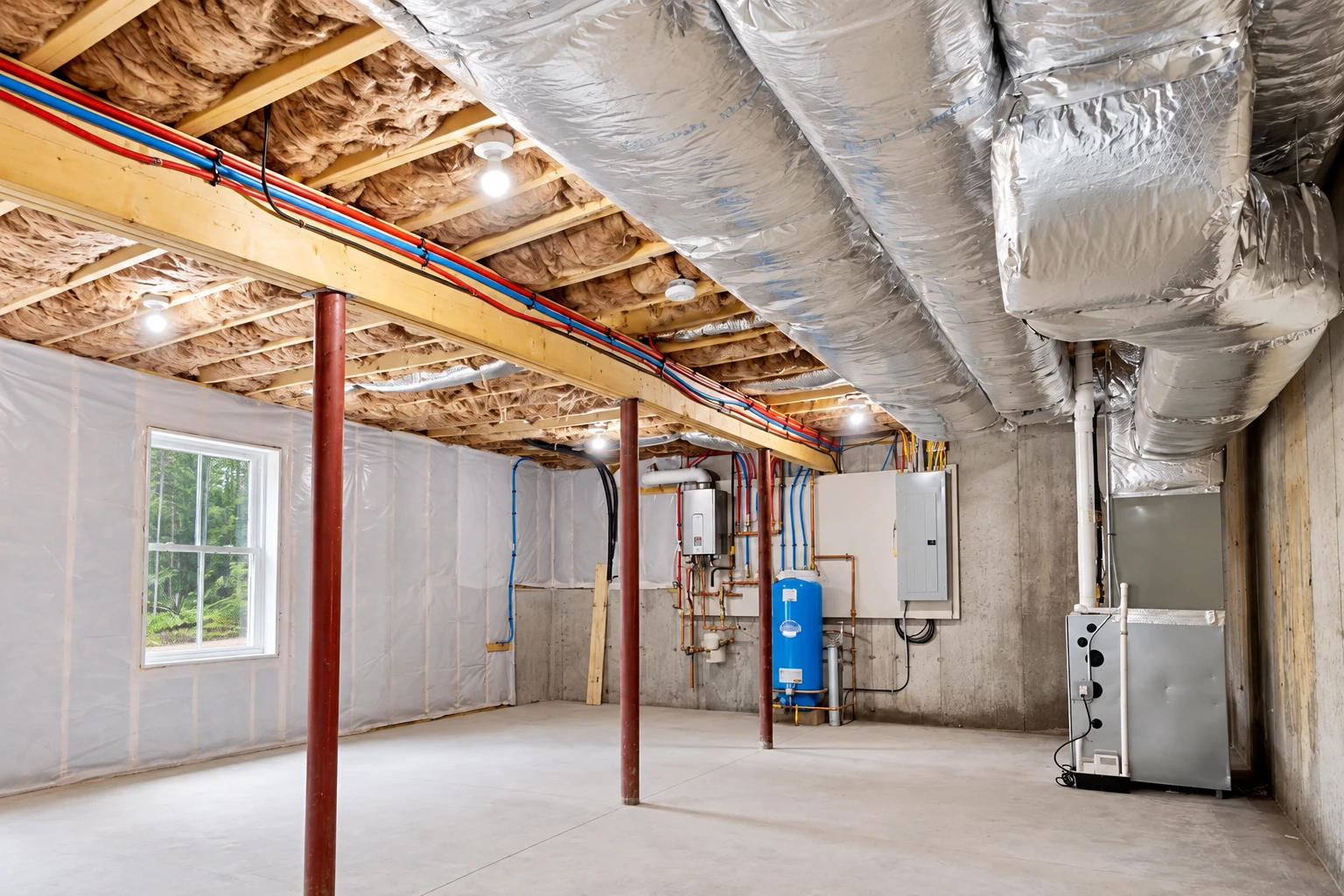
These photos show loose fill, foam and patched drill holes, the kinds of materials and finishes we can talk over at your estimate.
Straight answers to what Hesperia homeowners ask most about cost, permits, licenses and which side of the wall we work from.
Adding blown-in insulation to existing walls usually costs about $2 to $4.50 per square foot across the US. That's a national figure, so a Hesperia job can come in differently. Patching siding or drywall afterward and fixing any damp, cracks or wiring come on top of that. I'll give you your own number once I've seen the walls.
Inside is usually the better side, because going in from outside breaks the drainage plane behind the siding, the layer that sheds water. That layer then has to be patched or replaced. If you're putting on new siding anyway, outside often makes sense since the wall is getting opened up regardless. We'll talk it through when I'm out.
The City of Hesperia issues building permits for home projects, and a permit has to be issued before construction or remodeling begins, so check with the city about your wall job before work starts. Only the owner, the owner's licensed contractor or an authorized agent can get one, and the city inspects permitted work on site. When a job calls for a permit, we handle the paperwork and set up the inspections.
California has an insulation and acoustical contractor license class, and it covers installing any insulating material for temperature or sound control. We're licensed and fully insured, and you can ask me about our license when I come out for the estimate. Satisfaction guaranteed on every job.
Spray foam is usually the most expensive way to add insulation to an existing wall, so it suits owners who've planned for a bigger budget. It seals air as it insulates. For most hollow walls, though, sealing the gaps and blowing in loose fill gets you there for less. I'll tell you which one fits your walls.
Our hours run seven days a week, 7 AM to 11 PM, so call (760) 713-8598 or send the form whenever it suits you.