
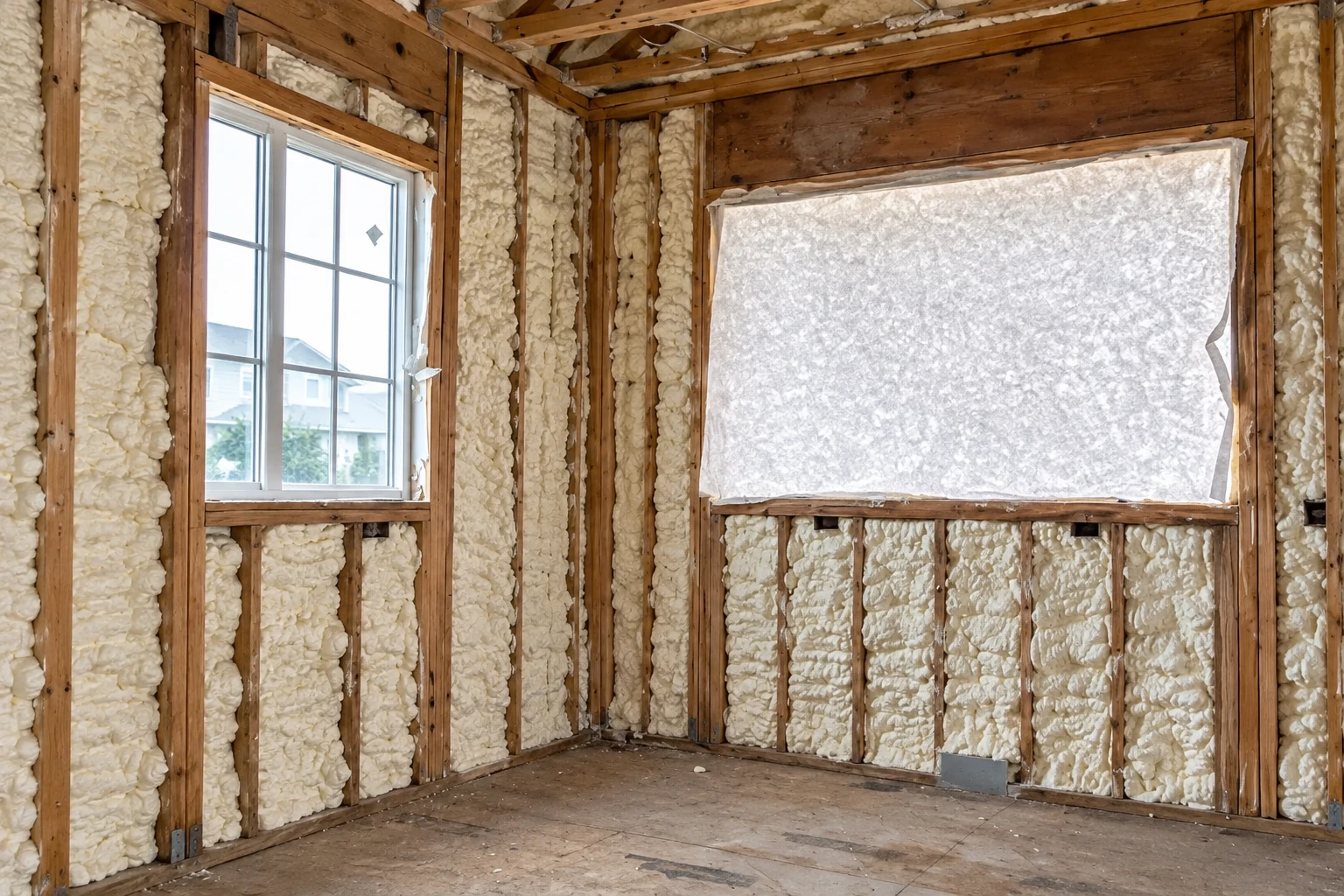
Spray foam insulation
Foam costs more than loose fill, and it seals air while it insulates. Sealing the gaps and topping up loose fill usually wins, unless your ductwork runs through the attic. Then we'd spray.
R&S Hesperia Insulation Company insulates homes and shops in Spring Valley Lake. We seal the attic gaps, clear out bad old material and top up or spray insulation so hot rooms and drafty floors settle down.
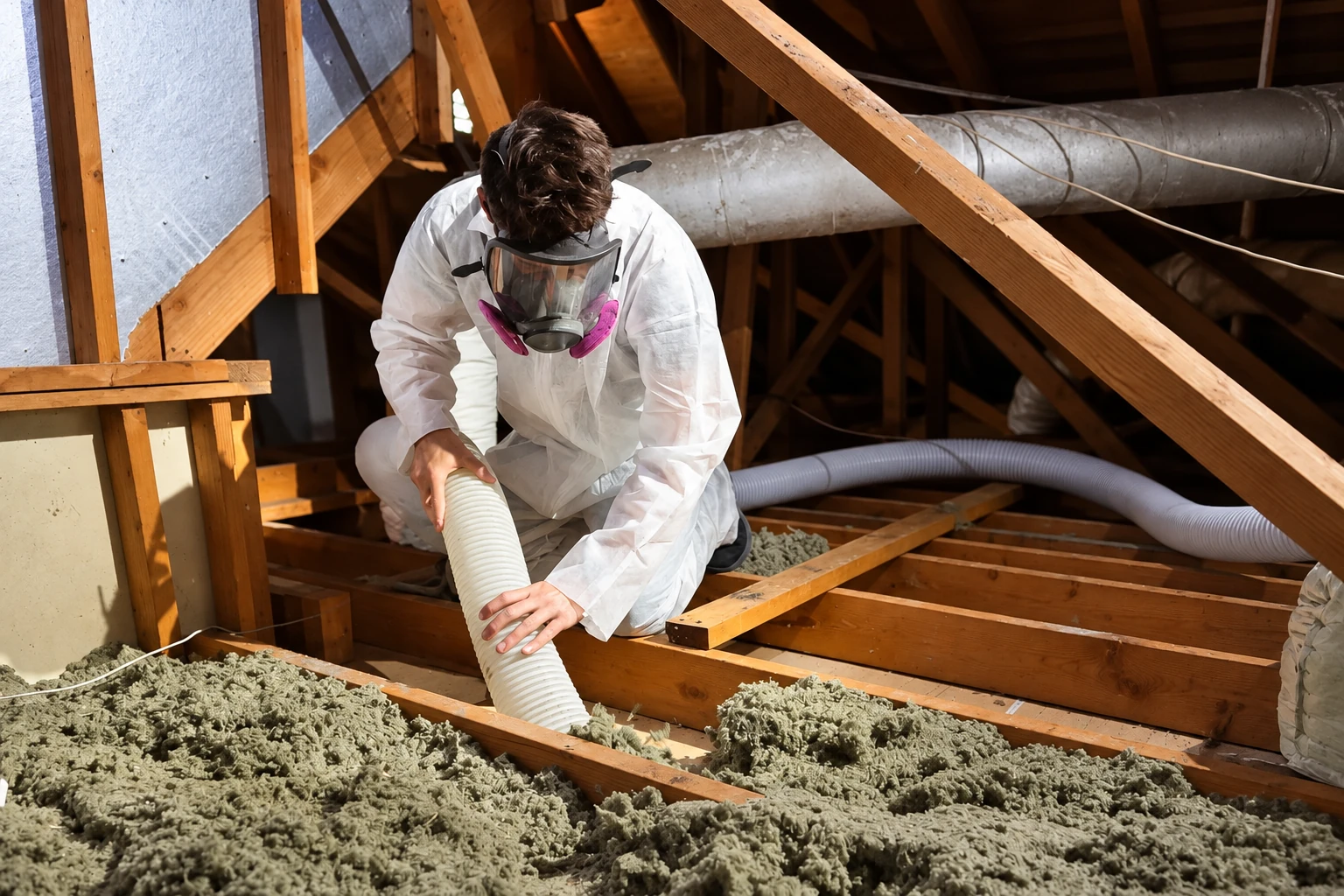
We're an insulation contractor based in Hesperia, CA, and Spring Valley Lake is a short drive for our crew. The calls from there sound like the ones we get everywhere else, a hot room over the garage, cold floors, a power bill that keeps creeping up. A house can sit on one of the lake channels or on a street back from the water, and the attic usually tells the same story. The fill has settled thin, there are gaps around the lights and the hatch, and the eave vents are half buried.
Spring Valley Lake is an unincorporated community, so San Bernardino County serves it, and permit questions go to the county rather than a city hall. We do the same work in Phelan, Victorville and Apple Valley.
The price depends on what's already up there and what has to happen before new insulation goes in. Clean fill that only needs sealing and topping up costs less than soaked or droppings-filled material that has to come out first, and foam costs more than loose fill. The schedule turns on the same things, plus the wait before you can go back inside after foam. I come out, look at the space myself and put your number on paper.
I'm the one who comes out, climbs into the attic and writes the estimate, so your number is built on what's actually up there and not on a guess over the phone.
We seal the gaps and deal with leaks or bad wiring first, because insulation laid over a problem just hides it until it costs you more later.
When a job calls for a permit, we handle the paperwork with the county office and set up the inspections, so you aren't chasing any of it yourself.
Foam costs more than loose fill, and it seals air while it insulates. Sealing the gaps and topping up loose fill usually wins, unless your ductwork runs through the attic. Then we'd spray.
Most calls about a hot room upstairs end in the attic. We measure how many inches are already up there, seal the gaps, then build it up evenly out to the edges instead of piling it in the middle.
Blown-in is loose fill sent through a hose, and it's how we usually top up a thin attic. We keep the eave vents clear first so the new fill doesn't bury them and stop the attic from breathing.
When the whole house runs hot or cold, we look at the attic, the walls and the floors together. Then I tell you which one is costing you the most and which can wait.
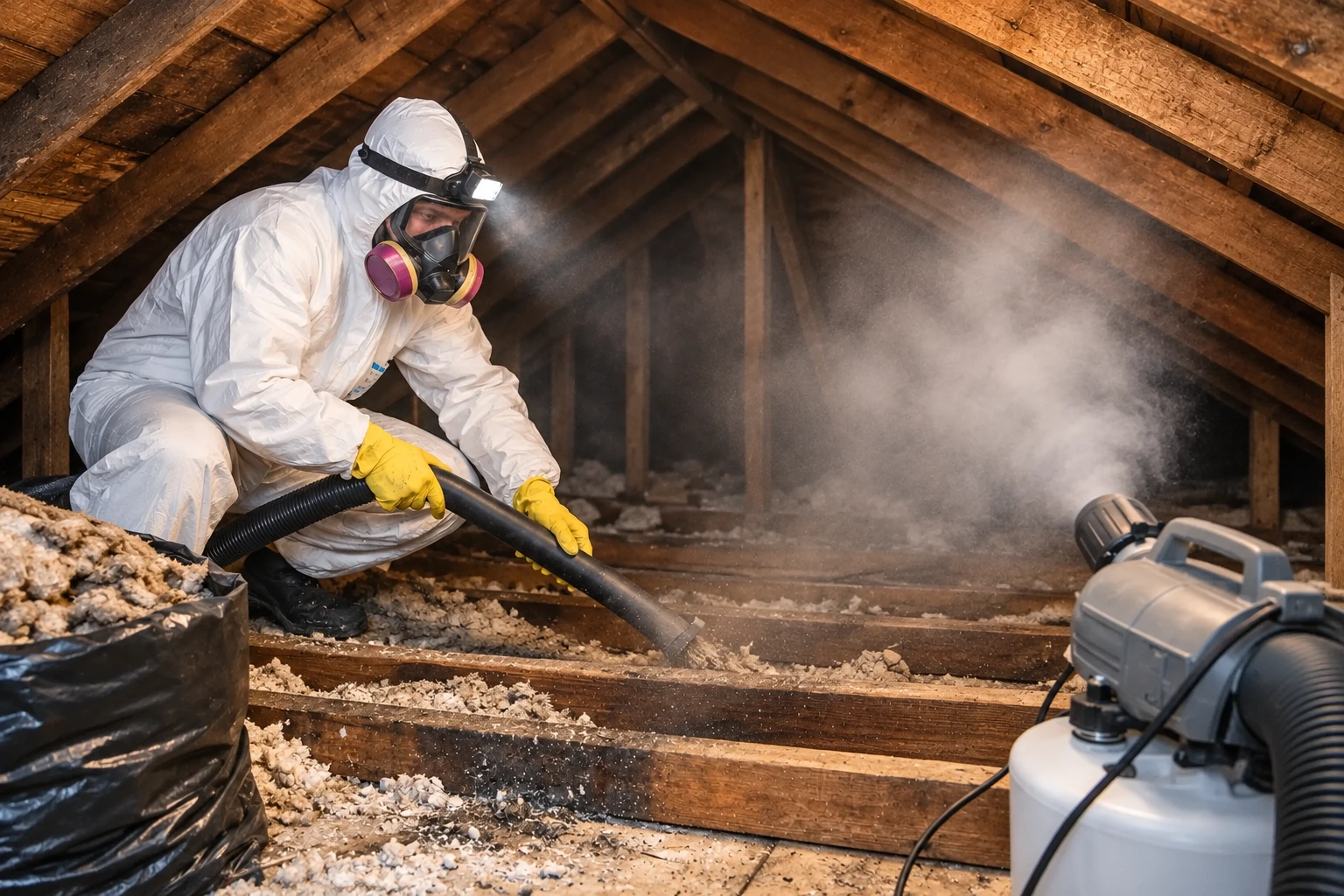
If the old material got soaked from a roof leak or is full of droppings, we pull it out and clean up before anything new goes down, so the problem doesn't stay hidden under fresh fill.
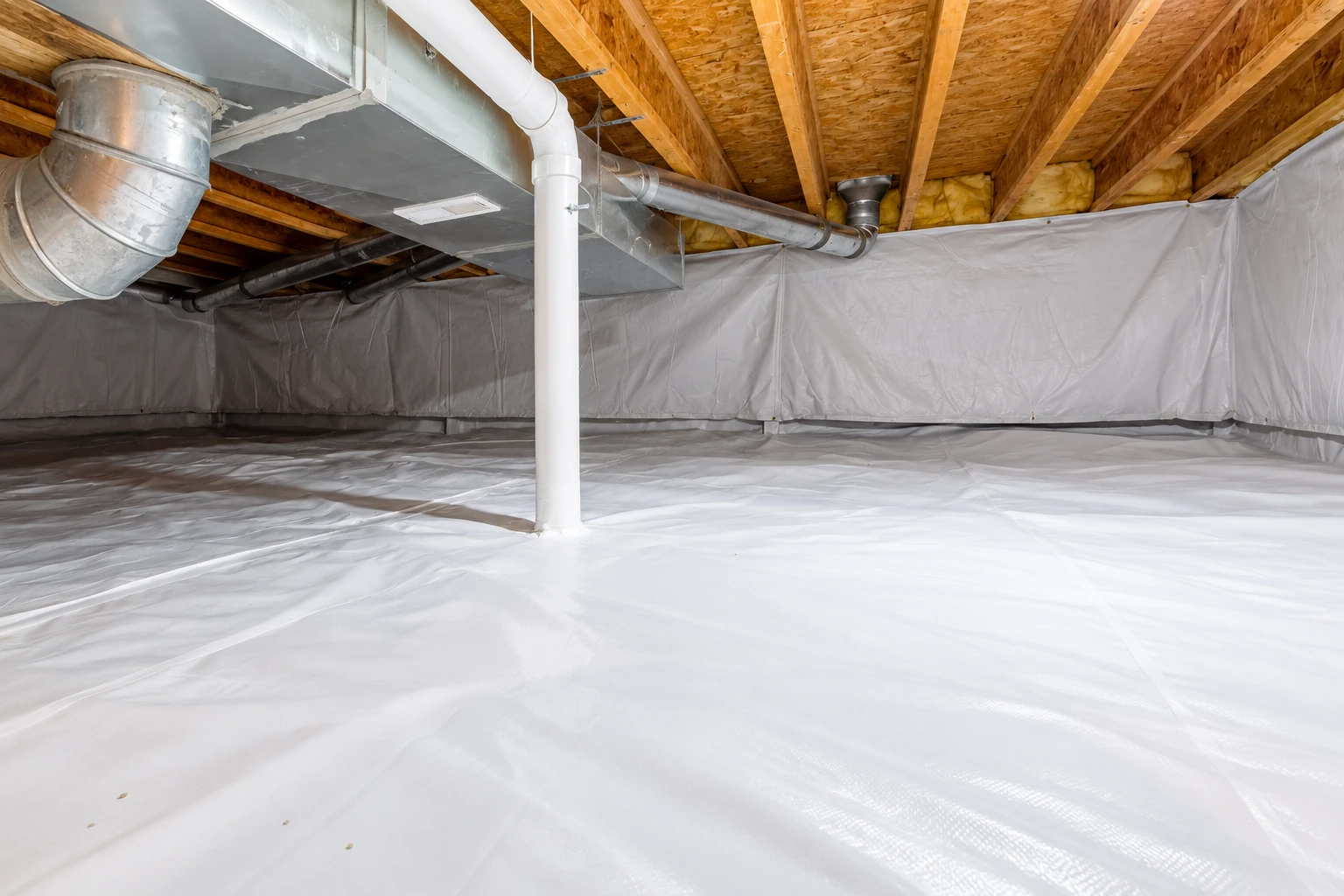
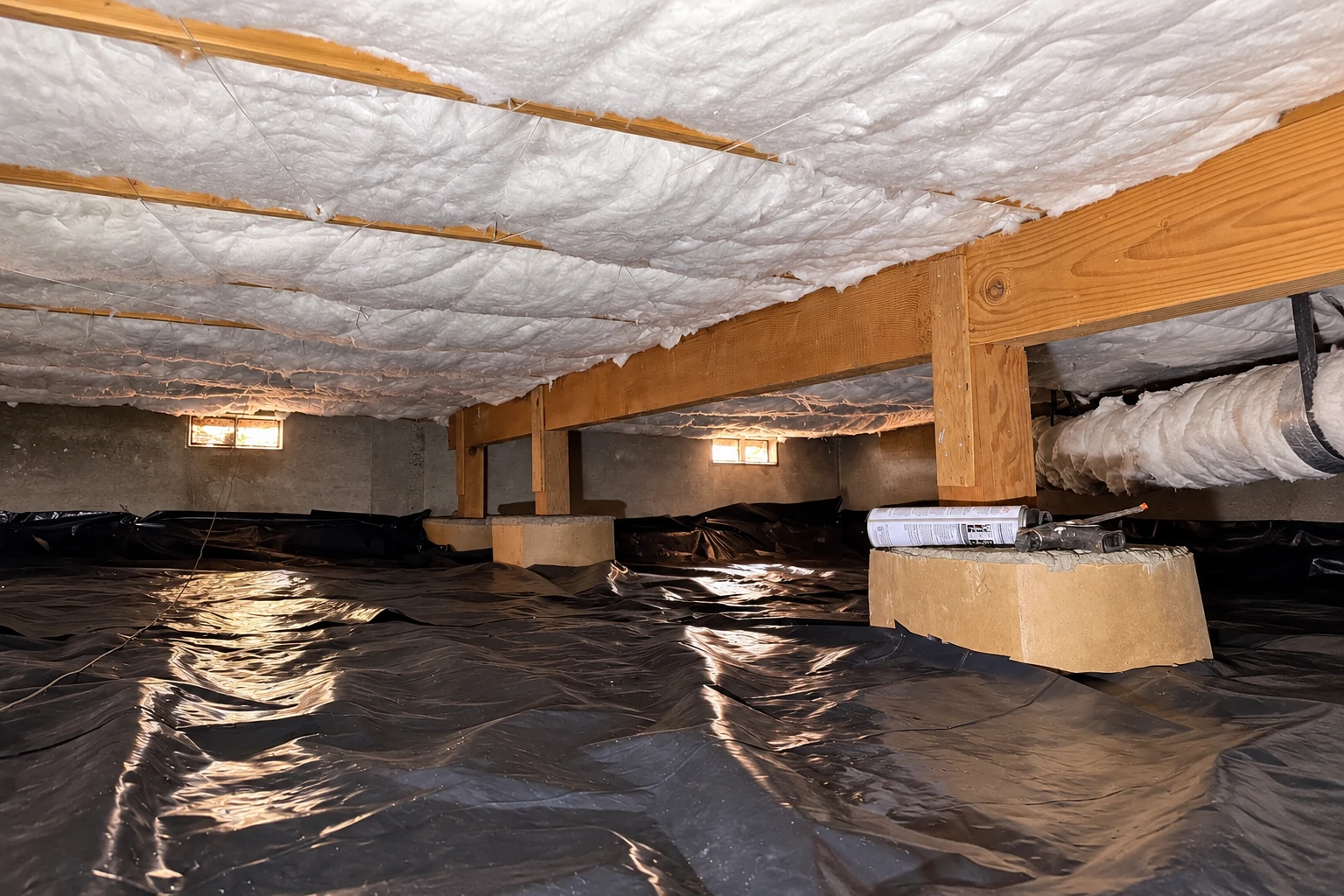
Cold floors usually trace back to the crawl space. We insulate under the floor and seal around the pipes that come up through it, so the floor stops pulling cold from below.
Older walls are often empty or thinly filled. We fill them through small holes that get patched, or in open walls during a remodel, so the outside rooms stop running warmer than the rest of the house.
Air sealing is closing the gaps before any insulation goes in, around can lights, pipes, wiring and the attic hatch. If you skip it, the new insulation spends its whole life fighting a draft.
Where a house has a basement or a below-grade room, we insulate the walls and seal the rim where the framing sits on the foundation, a common spot for drafts to get in.
Closed-cell foam is dense foam that also blocks moisture. We use it where damp air is part of the problem, like a rim joist or the underside of a floor, and it costs more than open-cell.
Open-cell foam is softer and lighter, and it fills odd shapes in rooflines and walls well. It doesn't stop moisture the way closed-cell does, so we keep it to dry spaces.
Shop and building owners call us when a space won't hold its temperature. We seal and insulate shops, metal buildings and offices, and we work around your hours where we can.
We lay a vapor barrier over the crawl space ground, a heavy sheet that keeps ground moisture away from the framing, and we seal the seams so it stays put when someone crawls over it.
In walls and ceilings we put the vapor barrier on the side the job calls for, because a barrier on the wrong side can trap moisture inside the wall instead of keeping it out.
Before we add anything to an attic, we seal the top plates, the can lights and the plumbing and wire holes, then weatherstrip the hatch. It's the step people skip most, and it's often the one that matters most.
Retrofit means adding insulation to a house that's already built and lived in. We work through the attic, the crawl space and small wall openings, so you don't have to tear out finished rooms to get comfortable.
Send the form and we'll reply within one business day to set a time. I come out, look at the space myself and write a free estimate on site, with no obligation.
The people in your attic work for us, not a crew hired for the day. I check the job myself before we pack up and leave your house.
If your attic is in decent shape and the real issue is a gap or a blocked vent, I'll tell you that, even when it means you don't need us yet.
Ask anything on the walkthrough, from what's in your attic now to why we seal before we fill. You'll know what we're doing and why before we start.
These are the questions Spring Valley Lake homeowners ask us most before an attic, wall or crawl space job gets going.
The county's permit list doesn't name insulation, so ask the county before you count on going without one. The Building and Safety Division lists re-roofing, alterations and electrical, plumbing and mechanical repairs, and it says other work may need a permit too. Its desert-area line is (760) 995-8140. If your job needs a permit, we handle the paperwork and set up the inspections.
Yes, when the job needs a building permit or extra workers, or when labor and materials come to $1,000 or more. That's where California's Contractors State License Board draws the line for anyone who builds or alters a structure in the state. We're licensed and fully insured, and you should ask any contractor for their license before work starts.
Usually not for blown-in fill, though we'll ask you to keep kids and pets away from the hose and the open hatch. Spray foam is different. Everyone stays out until the re-entry time, the wait before it's safe to come back in, which the foam maker sets for that product. I'll give you that time when we schedule.
Only if it's bad. Clean, dry fill can usually stay, and we build on top of it. Material that's been soaked by a leak or is full of rodent droppings comes out first, because covering it just keeps the problem in your attic. I'll show you what I find when I'm up there.
We have a page for each of these cities, but they aren't the only places we work. If yours isn't listed, call or send the form and ask.
We answer seven days a week from 7 AM to 11 PM, so you can call about that hot room after work.