
Spray foam insulation
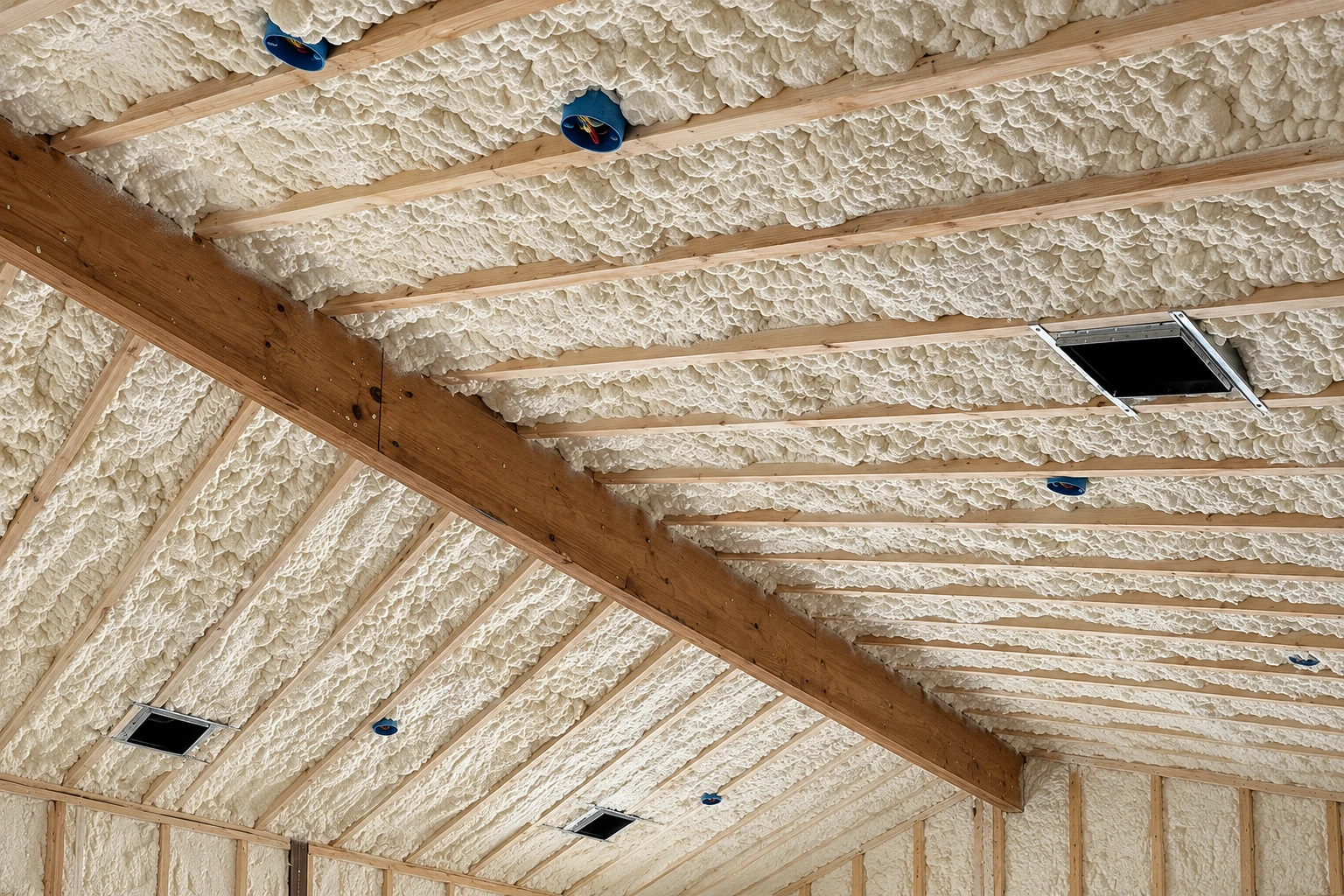
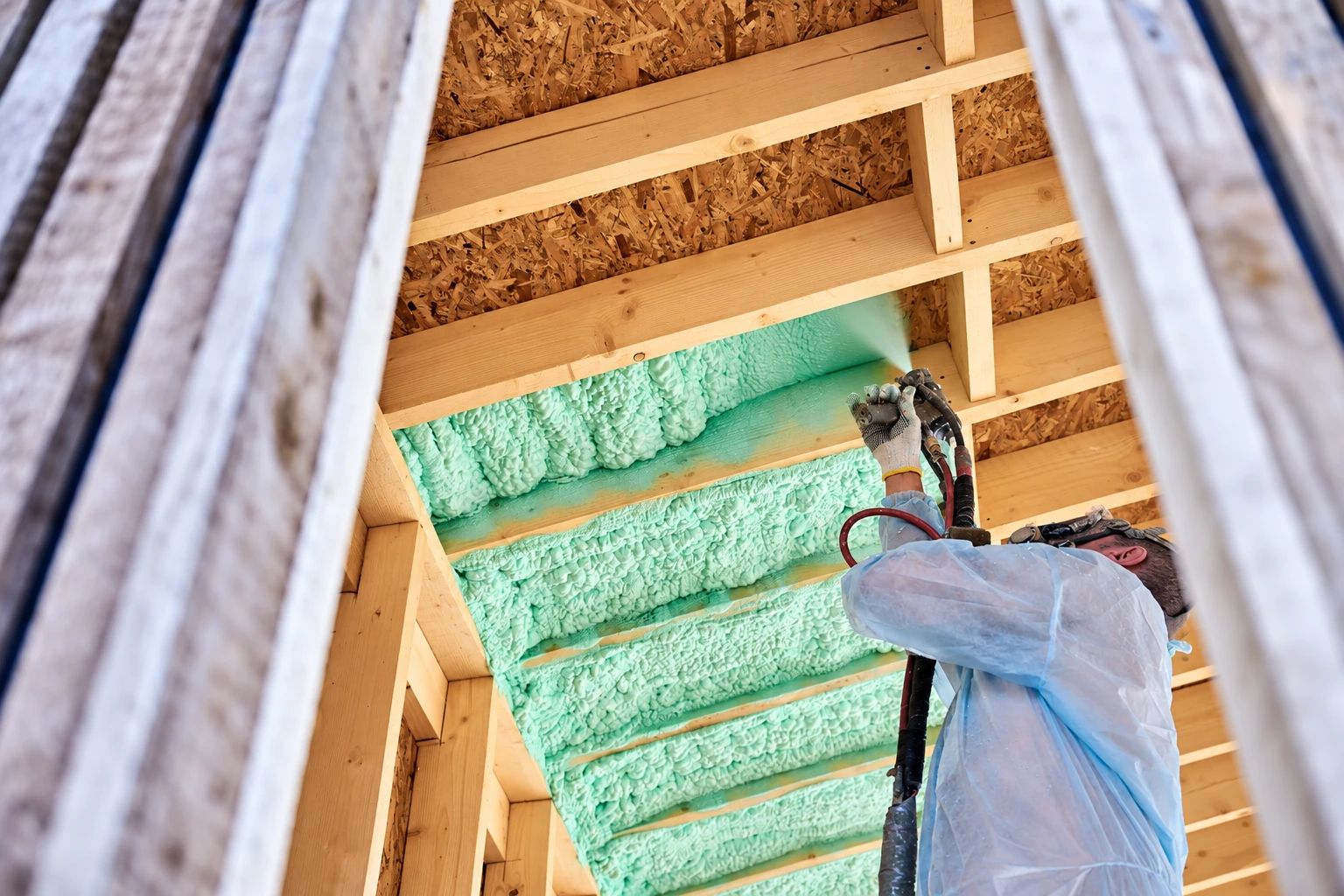
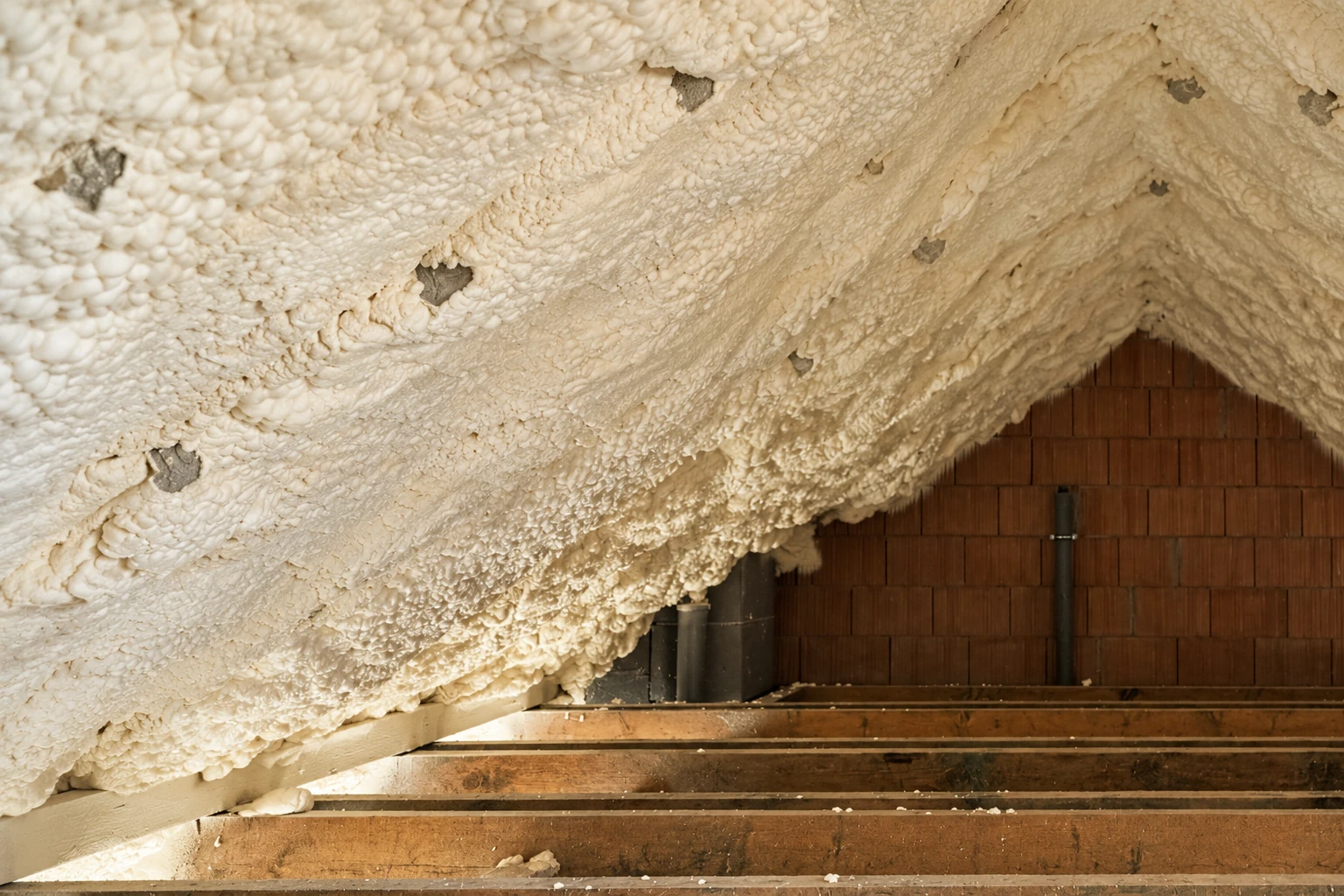
We spray foam on the underside of the roof deck when the ducts run through the attic, so they sit in cooler air all summer. It seals and insulates in one pass, and it costs more for it.
R&S Hesperia Insulation Company is an insulation contractor working in Victorville, CA. We seal attics, add and replace insulation, and insulate walls, crawl spaces and shops so rooms hold their temperature through desert summers and cold nights.
In Victorville, the calls usually start with a back bedroom that won't cool down by late afternoon, a room over the garage nobody uses in July, or floors that feel cold in December and January. Summers here bring real heat and winter nights drop below freezing, so the same attic has to hold back both. We're an insulation contractor based in Hesperia, right next door, and we work here the same way we do in Apple Valley and Adelanto, on older single-story homes and newer tract houses alike.
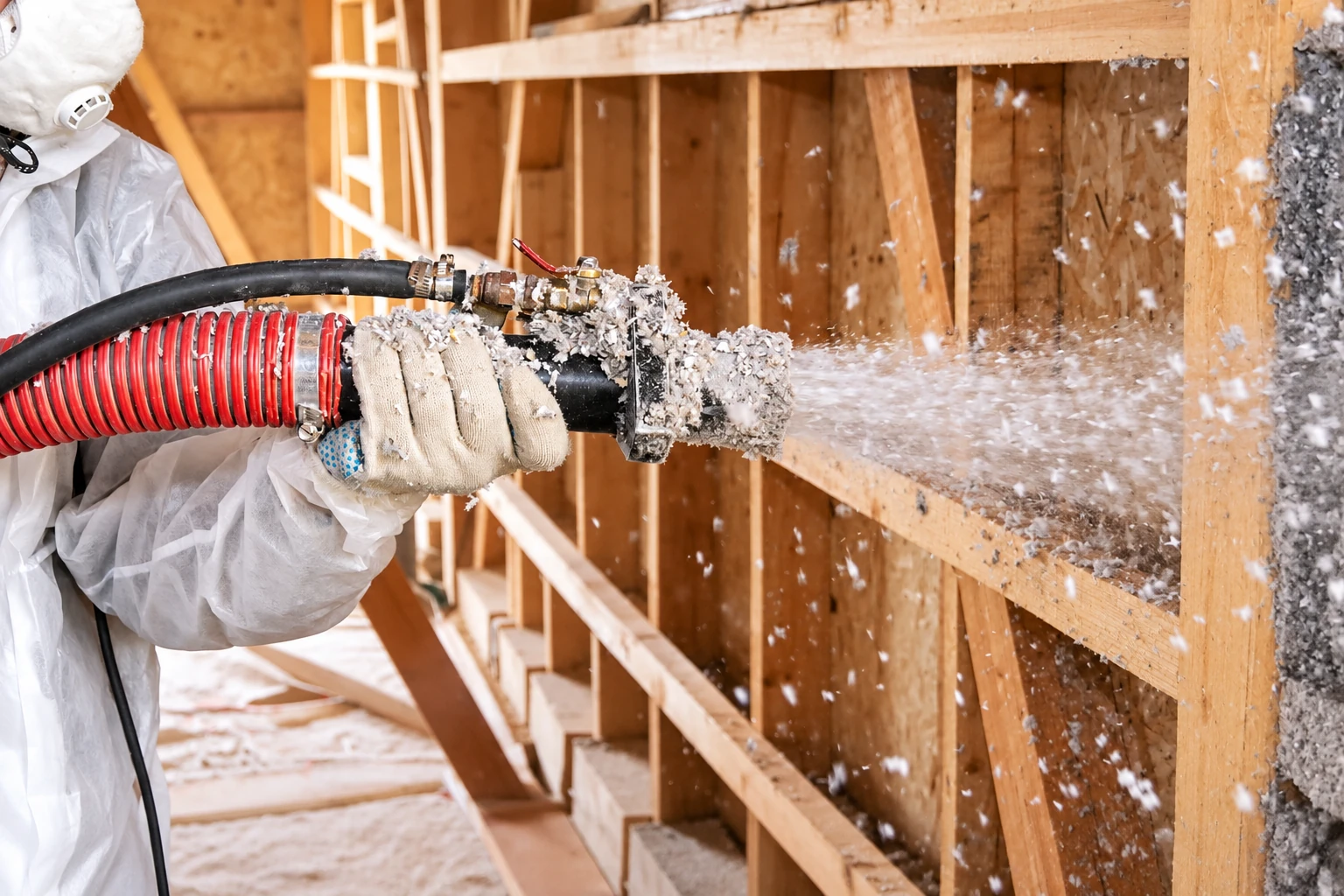
Price here turns on the size of the attic, how old the house is, how many inches are already up there and whether that old material is clean and dry enough to stay. If it has to come out first, or you go with foam instead of blown-in, which is loose fill blown through a hose, the cost goes up. The schedule mostly depends on removal and on whether a permit is part of the job. I look at the space myself before I put a number on paper, so the estimate is where you get your own figure.
Spray foam seals air and insulates in one pass, but it costs more. For most attics I'd rather seal the gaps and top up the loose fill, because that gets you most of the way for less. The exception is when the ductwork runs through the attic, which it does in a lot of houses here, and then foam under the roof is often worth the extra because it keeps those ducts out of the summer heat.
We deal with the roof leak, the bad wire, the open gap or the droppings before any insulation goes in, because new material on top just hides the problem.
If your attic already has plenty of clean, dry insulation and the gaps are sealed, I'll tell you so, and point you at what's really causing the hot room.
When a job calls for a permit, we do the paperwork with the city or county office and set up the inspections, so you're not chasing forms between our visits.
We spray foam on the underside of the roof deck when the ducts run through the attic, so they sit in cooler air all summer. It seals and insulates in one pass, and it costs more for it.
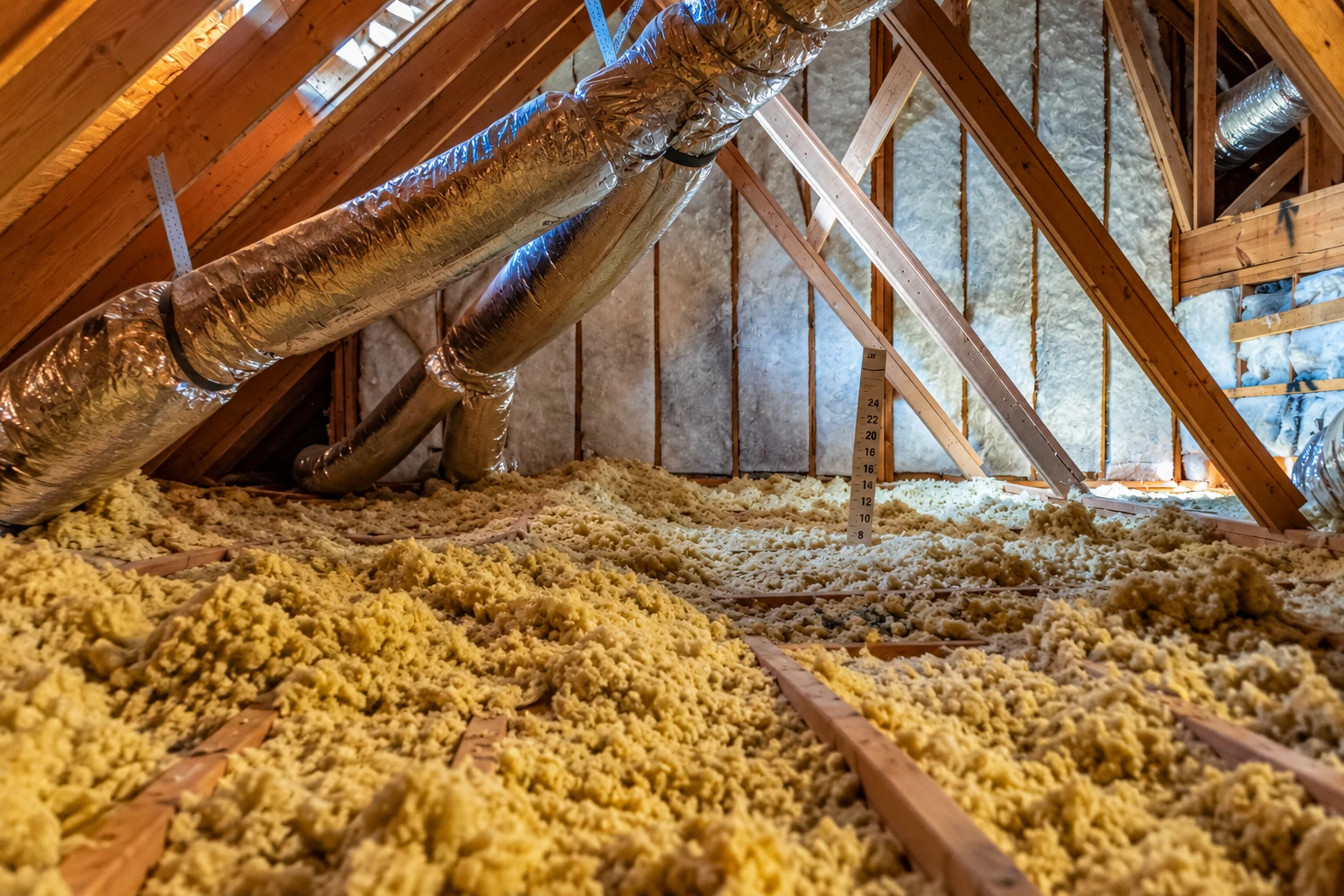
We measure how many inches are already up there, check that it's dry and clean, then bring the whole attic to an even depth, because the edges over the walls are where coverage usually runs thin.
This is how we top up most attics here, since loose fill gets into every corner between the joists. We set chutes at the eaves first so the vents stay open and the attic keeps breathing.
When the whole house runs hot in summer and cold in winter, I go through the attic, walls, floors and garage side to find where the heat gets in, then we fix it in the right order.
We vacuum out old insulation that's been soaked by a roof leak, flattened over the years or fouled by rodents, and bag it on the way out, so the new material starts on a clean attic.
Some older Victorville houses sit over a crawl space, and that's usually where cold floors in December come from. We insulate under the floor and seal around the pipes coming through so winter air stops moving under your feet.
For empty or half-filled walls, we blow insulation in through small holes and patch them, so you keep your drywall. In new framing, like an addition, we fill the cavities before the walls get closed up.
We find and close leaks around the whole house, from outlets on outside walls to the door between the garage and the house, which matters here because wind pushes desert dust through those same gaps.
Basements are rare in Victorville, but when a house has one we insulate the walls and the rim joist, the band of framing on top of the foundation, so the room below stays usable year round.
This is the dense foam that also blocks moisture, so we use it where condensation or damp is a worry, like a crawl space or a metal shop. It costs more than open-cell, and it earns it there.
The lighter, softer foam seals air and quiets sound, and it's what we usually use under a roof deck or in interior walls where moisture isn't a concern. It costs less than closed-cell and fills odd-shaped spaces well.
Shop and building owners call us when a space won't hold its temperature through a desert summer or a cold morning. We insulate metal buildings, shops and offices, starting with the seams and gaps where outside air gets in.
We lay heavy plastic over the bare dirt under the house and seal the seams, so ground moisture stays down there instead of rising into the floor framing. It also makes the crawl space cleaner for any work later.
In walls, ceilings and shop buildings, we put the barrier on the side the product and the code call for, because one on the wrong side can trap moisture in the wall instead of keeping it out.
Before we add an inch up top, we seal around can lights, plumbing stacks, wiring holes and the hatch, because those gaps are where your cooled air leaks into a hot attic all summer long.
In older homes built with little insulation, we add it to the finished house without tearing it apart, working through the attic, the crawl space and the walls to get it where it's missing.
Send the form and we'll reply within one business day to set a time. I come out, look at your attic or space myself and put the estimate on paper after that, free and with no obligation.
Tell us about the hot room, the cold floor or the jump in your power bill, and how old the house is, so I know what to check when I'm up in the attic.
The people who show up to do the work are our crew, not a sub hired for the day, and I check the work myself before we leave.
I learned this trade on my dad's jobs and started this business in Hesperia in 2013. That promise is why we take the time to do the prep in the right order.
Here's what Victorville homeowners ask us about permits, how long a permit lasts and who needs a license for insulation work.
The City of Victorville's permit list doesn't settle it, because it names jobs like new HVAC units and garage conversions, not insulation, and the city says the list isn't complete. Ask the Building Division at (760) 955-5100 about yours. If it does need one, the paperwork is on us, and an adult 18 or older has to be home when the inspector comes inside.
A Victorville building permit is good for 365 days from the day it's issued. The city's building official can grant one extension of up to 180 days, and an expired permit may mean starting over and paying the fees again. That mostly matters when insulation is one piece of a longer remodel.
Yes, California requires a license from CSLB, the state contractor board, for any job that needs a building permit, uses employees or totals $1,000 or more in labor and materials. Victorville also requires a city business license, and contractors based outside city limits, like us in Hesperia, need the out-of-city version before working here. We're licensed and fully insured.
These are the cities with their own page on our site, and we work in others around Hesperia too. If yours isn't listed, call or send the form and ask.
Call (760) 713-8598 any day of the week from 7 AM to 11 PM, or use the form if it's easier to write it out.