
Spray foam insulation
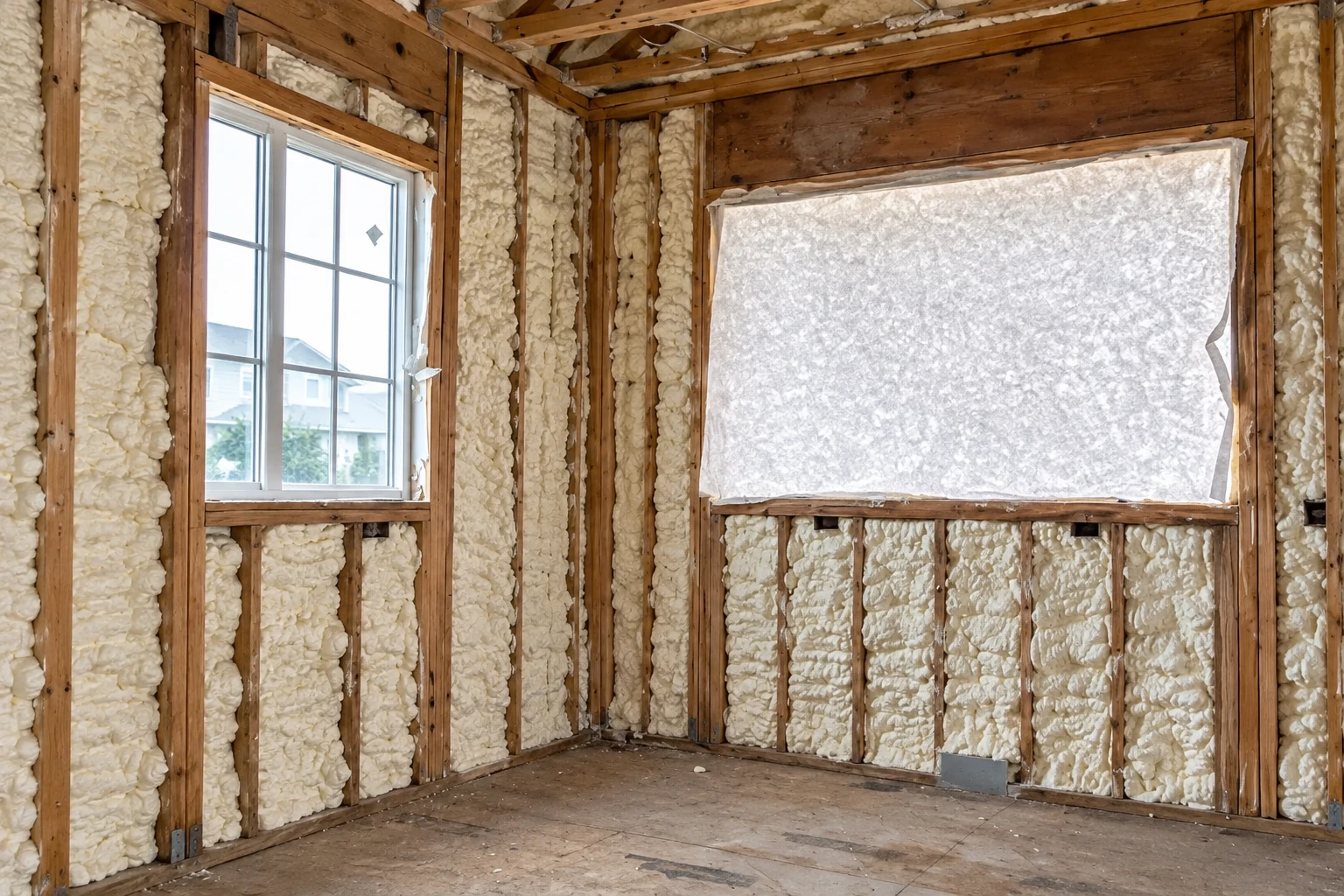
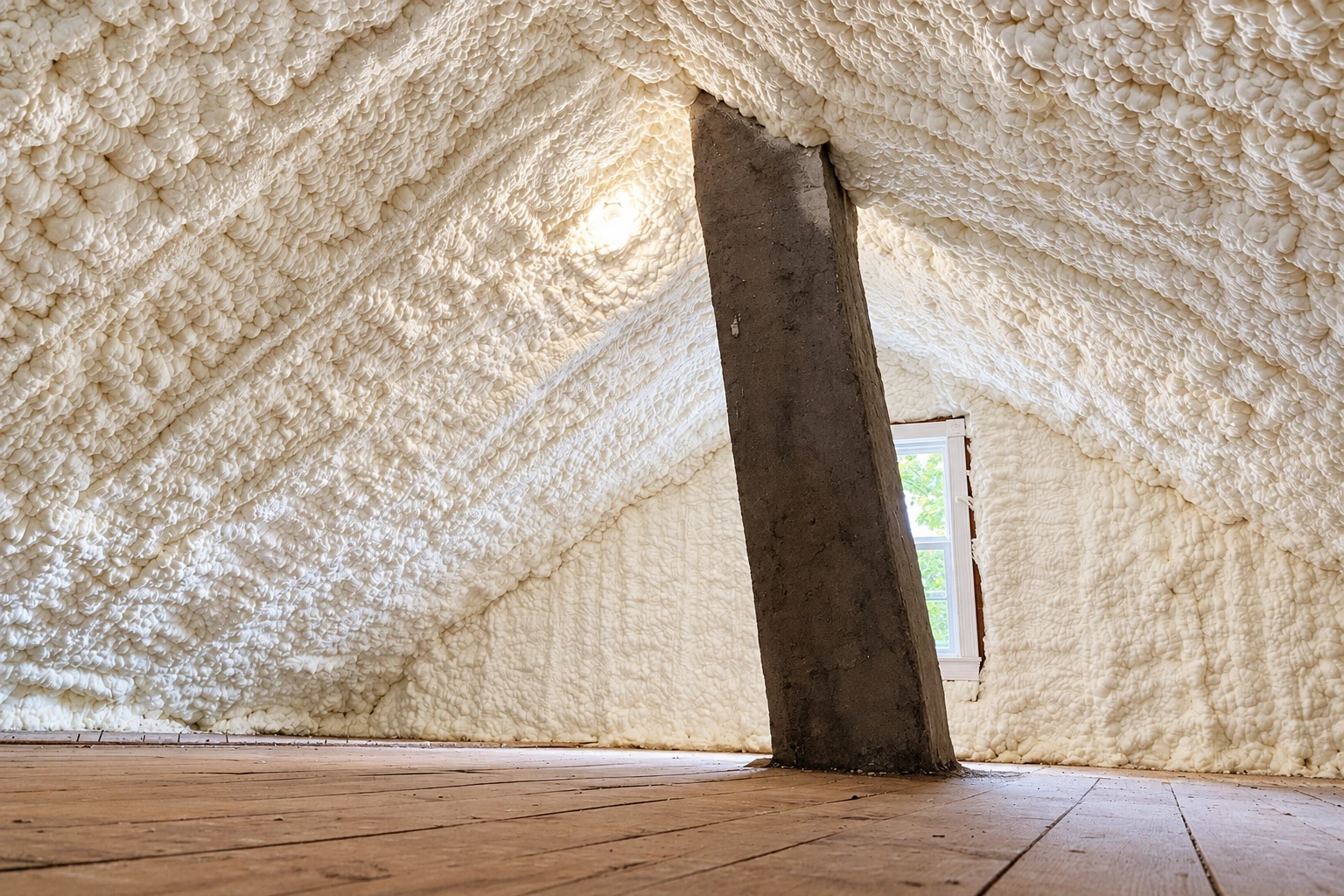
Spray foam seals air while it insulates, and it costs more than loose fill. We usually save it for spots loose fill can't handle well, like a shop ceiling or an attic where the ductwork runs.
R&S Hesperia Insulation Company insulates attics, walls, crawl spaces and shops in Phelan, CA. We're based in Hesperia, and we seal the gaps and fix what's wrong up there before any new insulation goes in.
Phelan isn't an incorporated city. It's unincorporated San Bernardino County, so building permits come from the county instead of a city hall, and the license that counts for a contractor is the state one. We're licensed and fully insured, and the questions further down cover what that means for your job.
A lot of the Phelan places we work on sit on bigger lots, often with a detached shop or garage, and plenty of the houses have been added onto over the years. That matters because the attic over an add-on is often its own space with its own hatch, and it usually doesn't match what's over the main house. The price comes down to how much is already up there, whether old insulation has to come out, how many gaps need sealing and whether foam makes more sense than loose fill. The schedule turns mostly on removal and on any permit the job needs. I look at the space myself before I write anything down, so the estimate is for your house and not a guess.
We're based in Hesperia and do the same work in Piñon Hills, Oak Hills and Adelanto, so a Phelan job is a regular drive for our crew.
If what's up there got soaked or is full of droppings, we pull it out and fix the cause before anything new goes in, because covering it just hides the problem.
We seal around can lights, pipes and the hatch first, then keep the eave vents clear, because insulation over a draft can't do its job and a buried vent traps moisture.
I'm the one who comes out and writes the estimate, our own crew does the install, and I go over the work before we leave your property.
Spray foam seals air while it insulates, and it costs more than loose fill. We usually save it for spots loose fill can't handle well, like a shop ceiling or an attic where the ductwork runs.
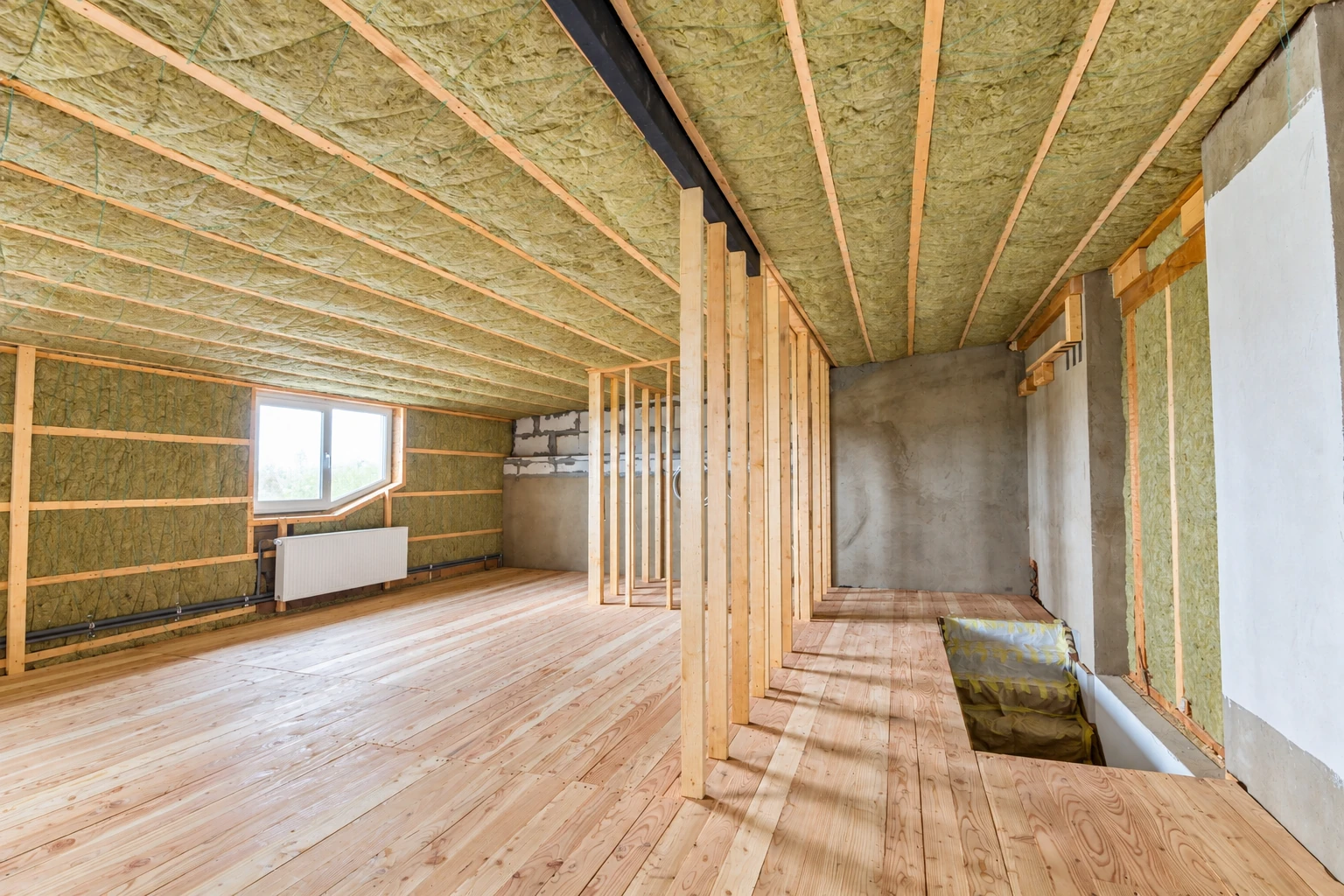
Most calls start with a hot upstairs or a high power bill. We check how many inches are already up there, seal the gaps, then build the attic up evenly, out to the edges and not just the middle.
Blown-in is loose fill blown through a hose, and it's the usual way we top up an attic. We set baffles at the eaves first so the vents stay clear and the attic still breathes.
When several rooms run hot or drafty, we look at the whole house, including the attic, walls, floors and the room over the garage, and tell you what to fix first and what can wait.
Insulation that got soaked or full of droppings has to come out before anything new goes in. We bag it, clean the attic floor and deal with whatever caused it first.
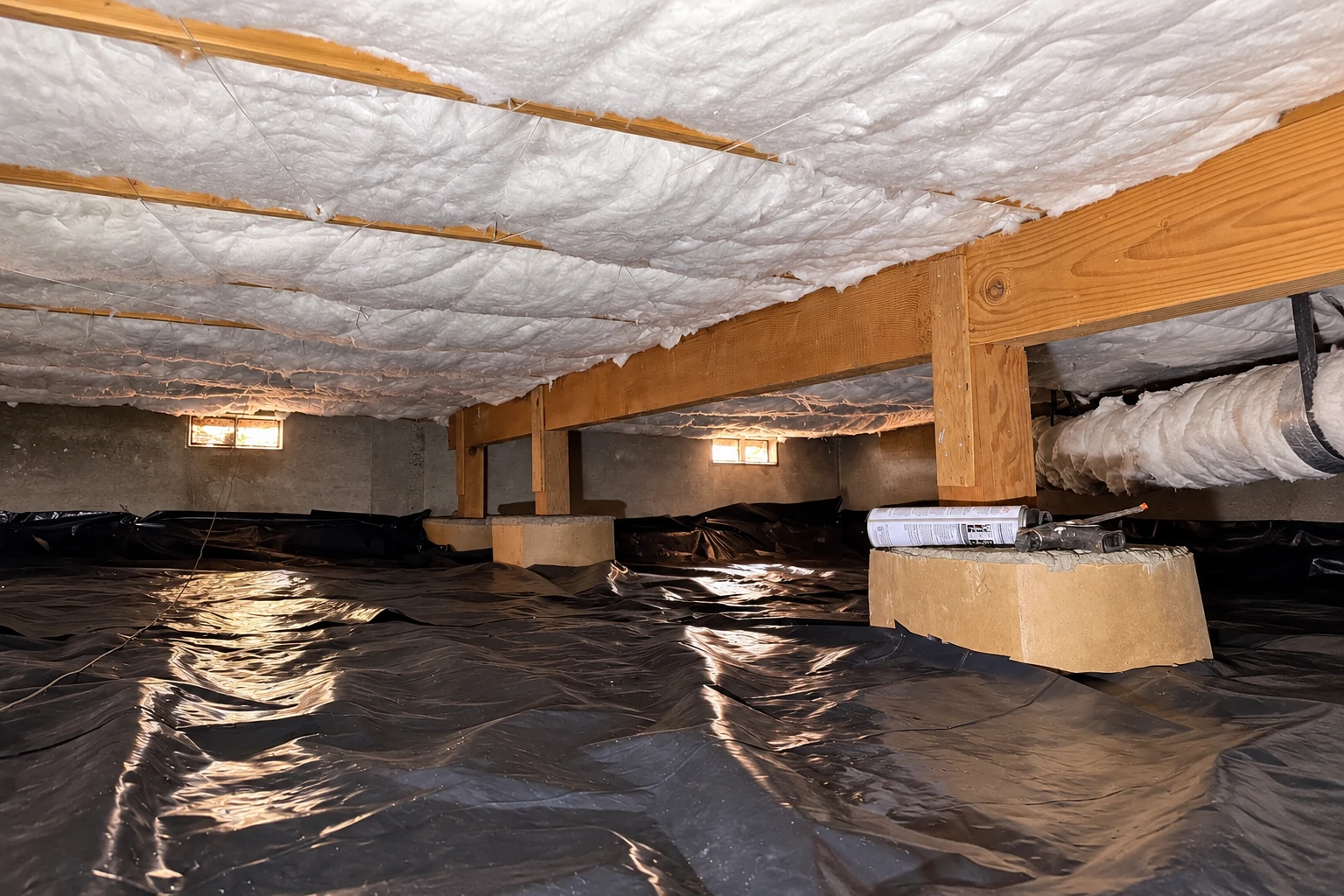
Cold floors over a crawl space usually mean the floor above it has little insulation or the batts have fallen down. We put in insulation that stays put and seal around the pipes.
Walls are harder to get into than attics, so we check what's in them before we quote. Rooms added on later often have less in the walls than the original house does.
Air sealing means closing the gaps around pipes, wires, can lights and the attic hatch before insulation goes in. Skip it, and the new insulation ends up fighting a draft.
Where a house has a basement or a dug-in lower room, we seal the gaps along the rim and walls first, then insulate, so the space holds its temperature.
Closed-cell foam is dense foam that also blocks moisture. It's what we reach for on metal shop buildings, rim joists and other spots where condensation is the real problem.
Open-cell foam is softer and lighter than closed-cell, and it seals air well for less money. It suits roof decks and interior walls where moisture isn't the worry.
Shop and building owners call when a space won't hold its temperature. We look at the walls, roof, doors and gaps, then quote foam or batts to fit how you use the building.
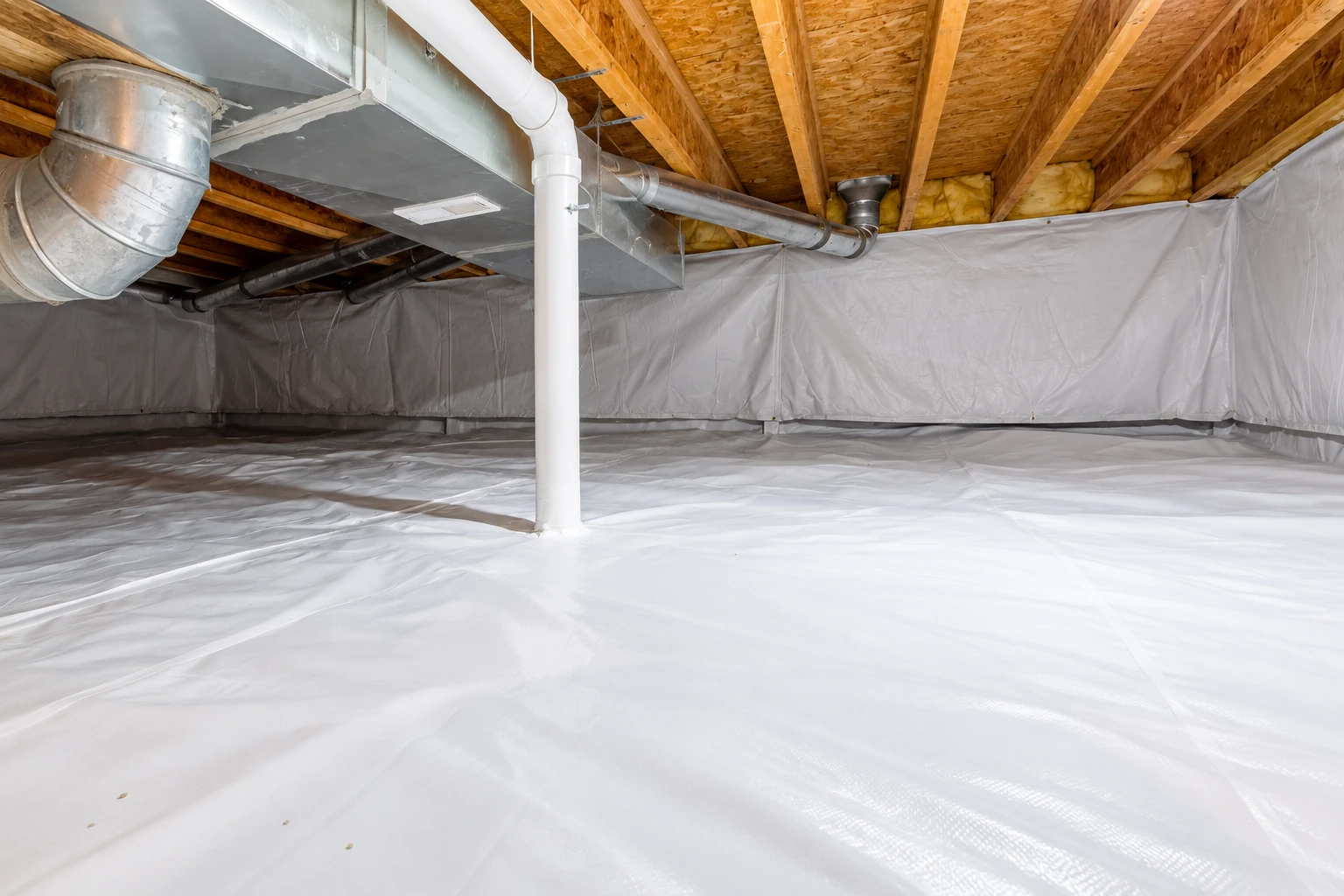
A crawl space vapor barrier is a heavy plastic sheet laid over the dirt to keep ground moisture out of the framing. We overlap and seal the seams so it stays in place.
A vapor barrier keeps moisture from moving into a wall or ceiling and soaking the insulation. Where it goes depends on the wall, so I'll tell you on site whether yours needs one.
Before we add anything up top, we seal around the hatch, plumbing vents, wiring holes and can lights, so air from your rooms stops leaking straight into the attic.
Retrofit means adding insulation to a finished house without tearing it apart. On houses that have been added onto, we usually start in the attic and work down from there.
Send the form and we'll reply within one business day to set a time. I come out, look at the space myself and then write your estimate, free and with no obligation.
I check how many inches are already in the attic, what shape they're in, where air is getting through and whether the vents are clear, since that decides what the job needs.
If your attic is in decent shape and the problem is somewhere else, I'll tell you so, and if part of the job can wait, the estimate says that too.
We're licensed and fully insured, we've been in business since 2013, and our own crew does the install. Satisfaction guaranteed on every job.
These are the permit and license questions that come up most when Phelan homeowners are getting ready to insulate and picking a contractor.
Ask the county before work starts, because its permit list doesn't call out insulation by name. In unincorporated areas like Phelan, the county Building and Safety office issues permits to build, alter or repair a building, plus electrical, heating and air conditioning work, and work that isn't listed may still need one. When a job calls for a permit, we handle the paperwork and inspections.
Yes, California contractors are licensed by the Contractors State License Board and need the classification that fits their work. The county issues building permits only to licensed contractors or to owner-builders, who take full responsibility for the work and can only do it on a home they've lived in for 12 months or more. We're licensed and fully insured.
No, the county doesn't issue licenses to businesses working in its unincorporated areas, and it has no business license that covers the whole county. That means the license worth asking a contractor about in Phelan is the state contractor license from the board, not a county one.
A contractor can't ask for or accept a down payment of more than $1,000 or 10 percent of the contract price, whichever is less. The state board applies that limit to all home improvement projects, so it covers an insulation job on your house too.
These are the cities with their own page on our site, and they aren't the only places we work. If your address isn't listed, call or send the form and ask.
Call (760) 713-8598 or send the form, and we'll get any permit the job needs lined up before our crew starts in your attic.