
A hot upstairs
Upstairs rooms that won't cool down often sit under an attic floor full of small openings, and closing them keeps the air you're paying to cool from slipping up into the attic.
Drafty floors or a hot upstairs? We find the gaps letting air through and seal them, so your rooms hold the temperature you set.
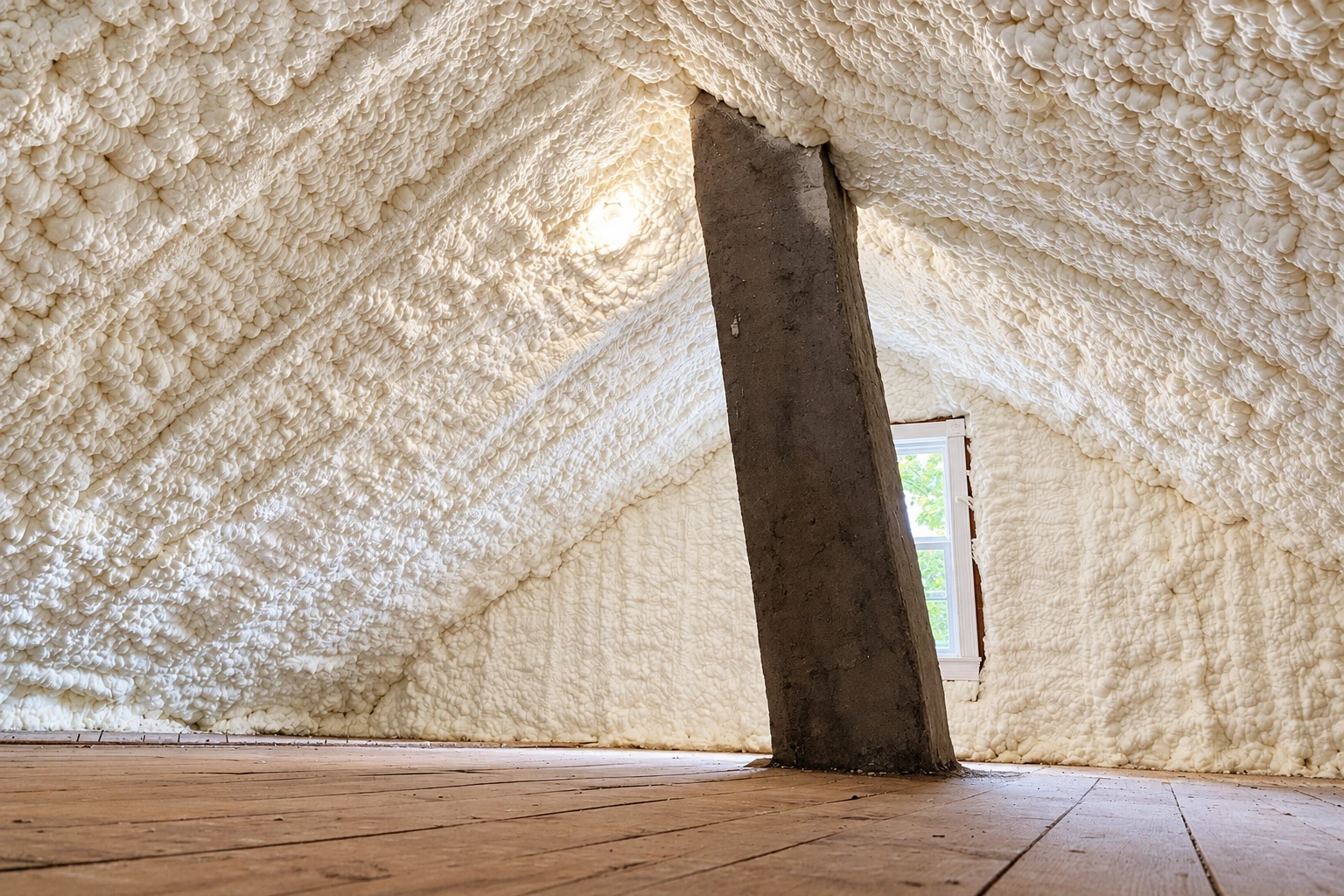
Air sealing services close the gaps where air moves in and out of your house, mostly through openings in the attic floor. R&S Hesperia Insulation Company does this work in Hesperia, Victorville, Apple Valley, Phelan and the other cities around it.
Most calls start with a hot upstairs, a cold floor or a power bill that won't come down. Leaks make a house drafty and make your heating and cooling work harder, and they let in moisture that can damage wood and lead to mold, so it pays to find them before they've done that.
The price and the schedule turn on how many gaps there are, how hard they are to reach, how much old insulation sits on top of them, and whether anything we find up there needs fixing before we seal. I look at the space myself before I put anything on paper, so your estimate is based on your attic and not a guess. We're licensed and fully insured, and if your job calls for a permit, we handle the paperwork with the city or county office and set up the inspections.
I come out to look at the job and write the estimate, our own crew does the sealing, and I check the work before we leave, so you aren't handed off to strangers.
We've been doing this since 2013, and doing the prep right is what we're known for, because sealing or insulating over a leak or a bad wire only hides it.
If your house doesn't need us yet, I'll tell you that. If it does, you'll hear what's wrong, what it'll take and which parts can wait.
Before we close up a single gap, we check your furnace, water heater and any other gas appliances, because a tighter house changes how they get their air. Anything that burns fuel, like a stove, oven or fireplace, has to vent properly, and the house still needs enough fresh air coming in, so we work that out first.
Next we go through the attic looking for a leaking roof, bathroom fans that vent into the attic, active knob and tube wiring, vermiculite insulation, unvented kerosene heaters or gas fireplaces, and attic flooring. Sealing over any of those just buries the problem, so we settle what has to happen with each one before the sealing starts.
Then we seal what's leaking, like openings in the attic floor and gaps around can lights, pipes and the hatch, with sealant, spray foam or rigid blocking. We leave the soffit, ridge and gable vents and any combustion air ducts open, because those are meant to move air, and a buried vent is how moisture ends up in the framing.
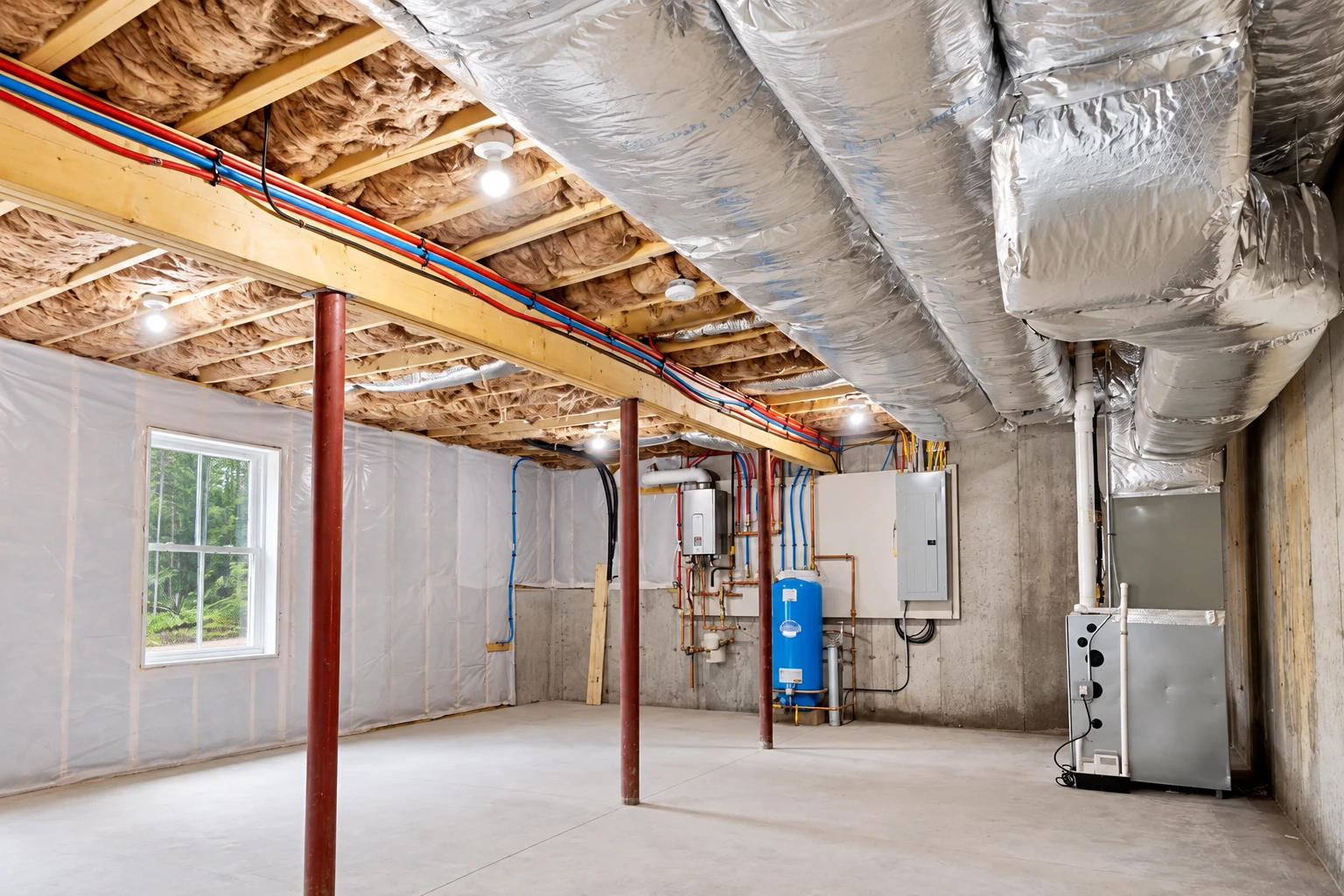
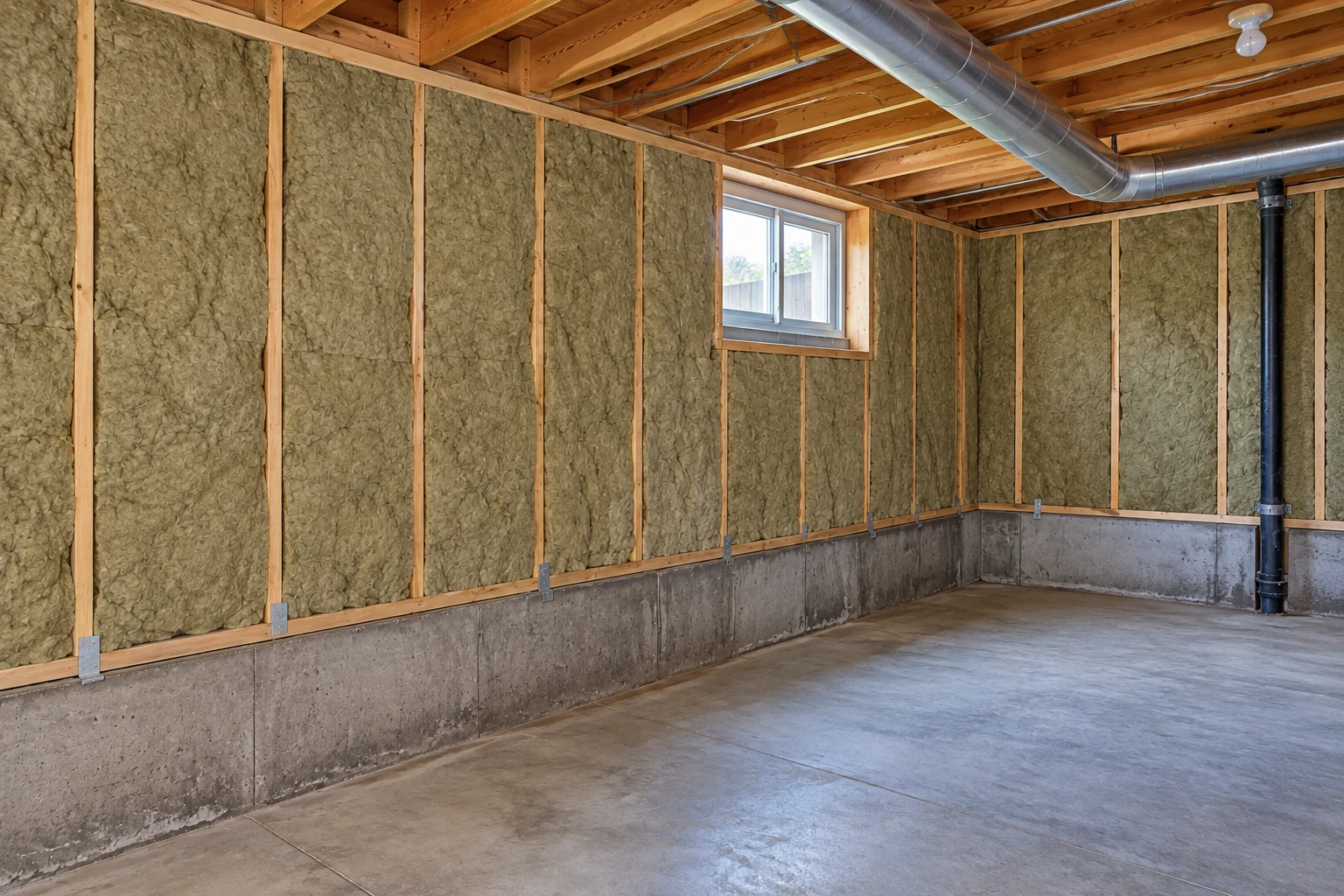
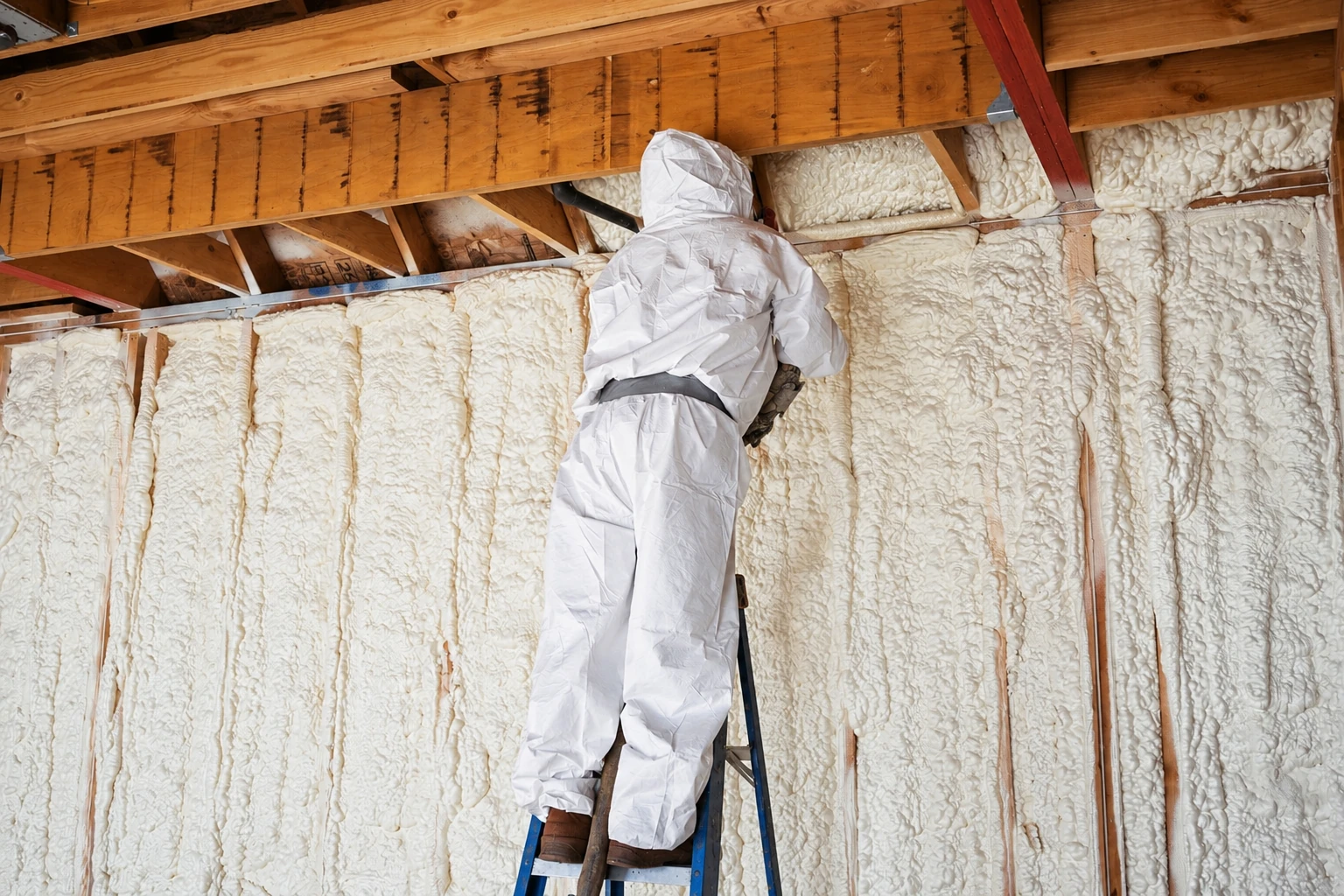
Insulation goes in last. Foam seals and insulates at the same time but costs more, so I usually point people to sealing the gaps and topping up loose fill, unless your ductwork runs through the attic, where closed-cell foam insulation, a dense foam that also blocks moisture, can earn its price. We follow the same order with basement insulation, sealing the leaks before anything goes on the walls.
Upstairs rooms that won't cool down often sit under an attic floor full of small openings, and closing them keeps the air you're paying to cool from slipping up into the attic.
That room has the garage below it and the attic above, so gaps around its floor and ceiling tend to show up as drafts and cold floors before anywhere else in the house.
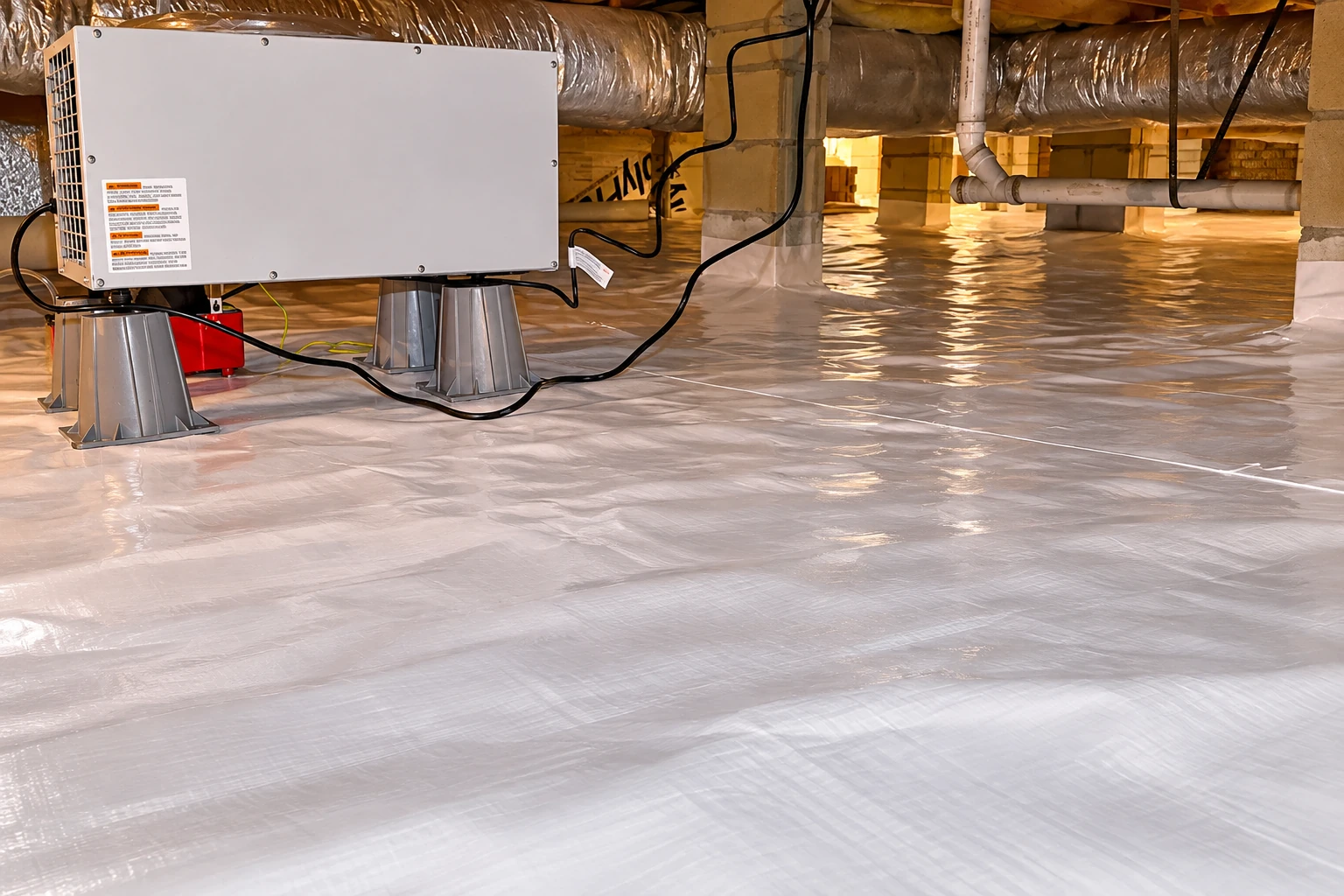
Cold floors often trace back to gaps where pipes and wires pass up from the crawl space, and sealing those keeps the air down there from drifting into your rooms.
When the attic already has plenty of insulation and the house still feels drafty, the gaps underneath are usually why, because insulation can't stop air that blows right past it.
Send the form or call, and we'll reply within one business day to set a visit. I come out, look at the space myself and write a free estimate, with no obligation to hire us.
Let us know about your furnace, water heater, stove, oven or fireplace, because anything that burns fuel needs proper venting, and I want to plan that check before we seal anything.
If the attic holds a lot of boxes and belongings, the plan may need to cover moving them and storing them somewhere for a while, and it's better to know before the crew arrives.
Any flooring or sheathing on the attic floor has to come up before we can seal underneath it, which adds a step to the job, so I'll want to see it.
These photos show the kinds of gaps, sealants and attic layouts we can talk through, from can lights and pipe openings to the hatch.
Straight answers on doing it yourself, the order of the work, permits, testing and county weatherization help for lower-income households.
Not the small, hard-to-find ones, which doing it yourself usually won't catch, especially in an older attic where layers of insulation cover them. If your attic is already insulated, that's when it's worth paying someone to find and seal what's hidden. At the estimate I'll tell you which parts you could handle on your own.
Yes, seal first, because that's how you get the most energy savings out of the insulation that goes in after. If you're planning new insulation in an attic that already has vents, make sealing the openings in the attic floor the first stage of that job. Insulation laid over open gaps ends up fighting a draft.
Only the property owner, the owner's licensed contractor or an authorized agent can get a building permit from the city's permit center, and the city wants it issued before construction or remodeling starts. California also requires a license for minor work that needs a permit of any kind, even on a job under $1,000. When a job calls for a permit, we handle the paperwork and inspections.
It's a fair question to ask, because one building performance standard calls for a blower door test, a fan in a doorway that shows how leaky the house is, both before and after air sealing. Ask any contractor you're considering whether they test both times. Bring it up when I'm out for the estimate.
Yes, a San Bernardino County program offers weatherization work such as weather stripping, caulking and duct repair to homeowners and renters. Whether you qualify depends on your total gross monthly income falling within the program's current income guidelines, so check with the county's weatherization program first. If it isn't a fit, we're glad to come take a look.
Call (760) 713-8598 or send the form now, so the gaps get closed before any new insulation goes down over them.