
Spray foam insulation
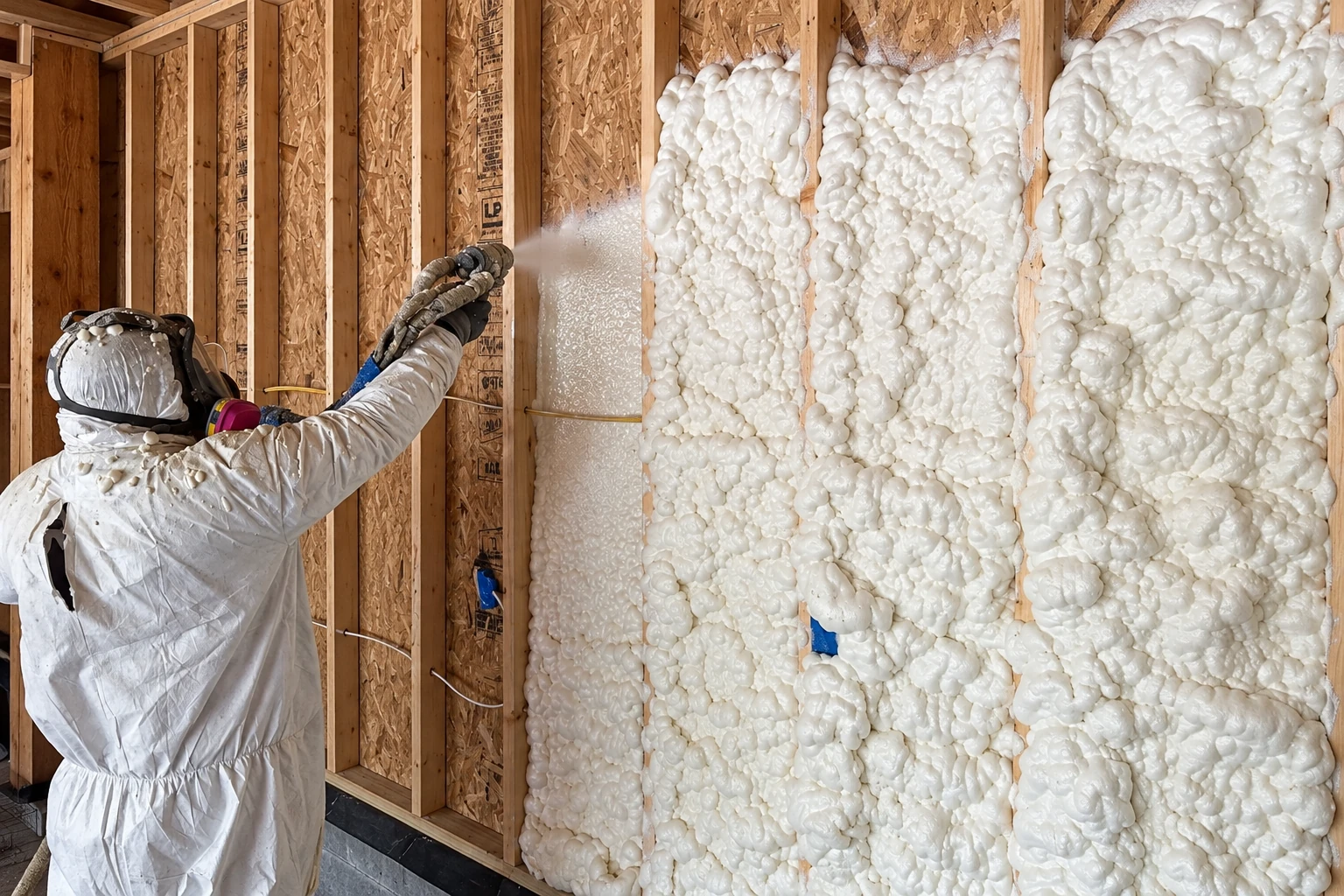
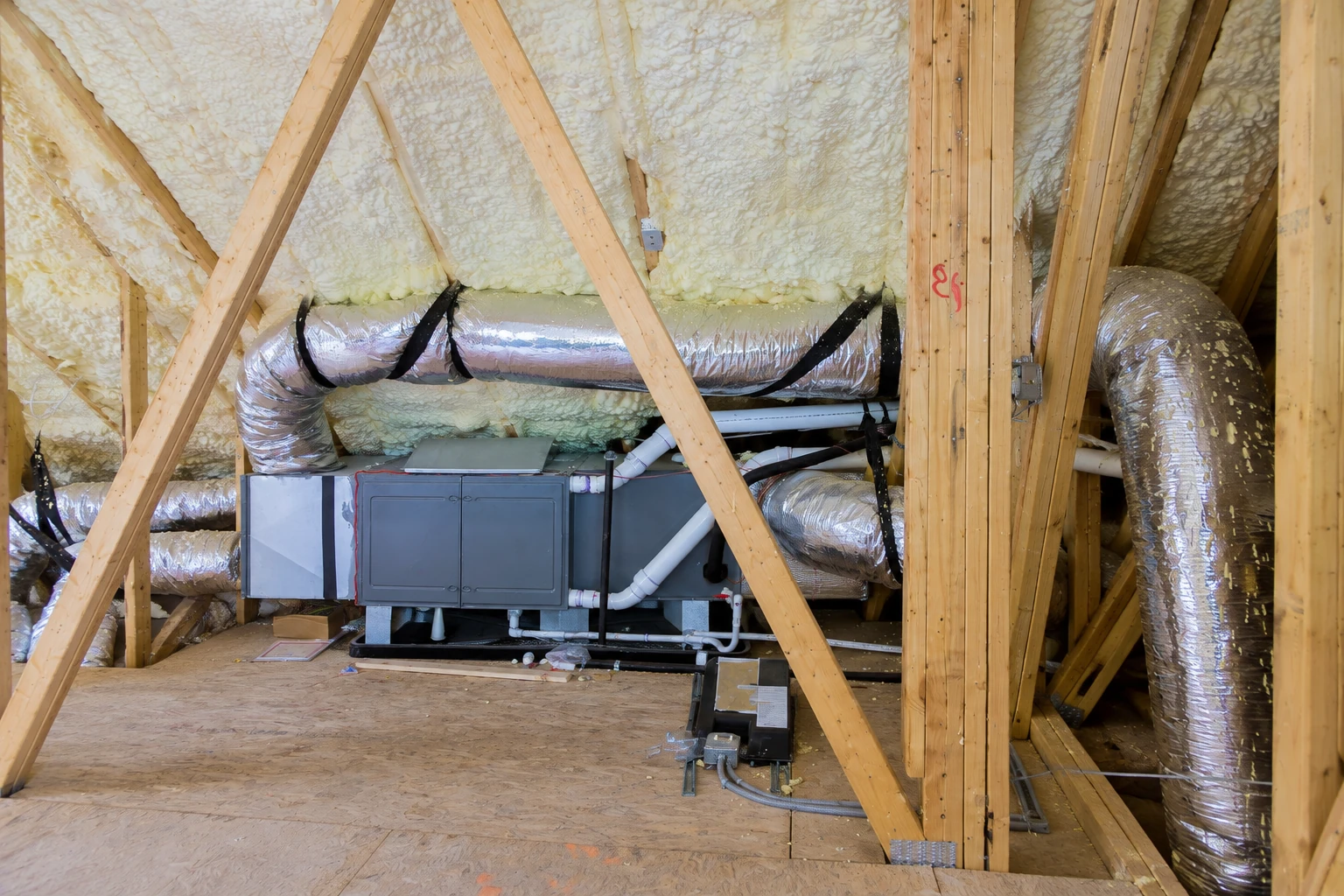
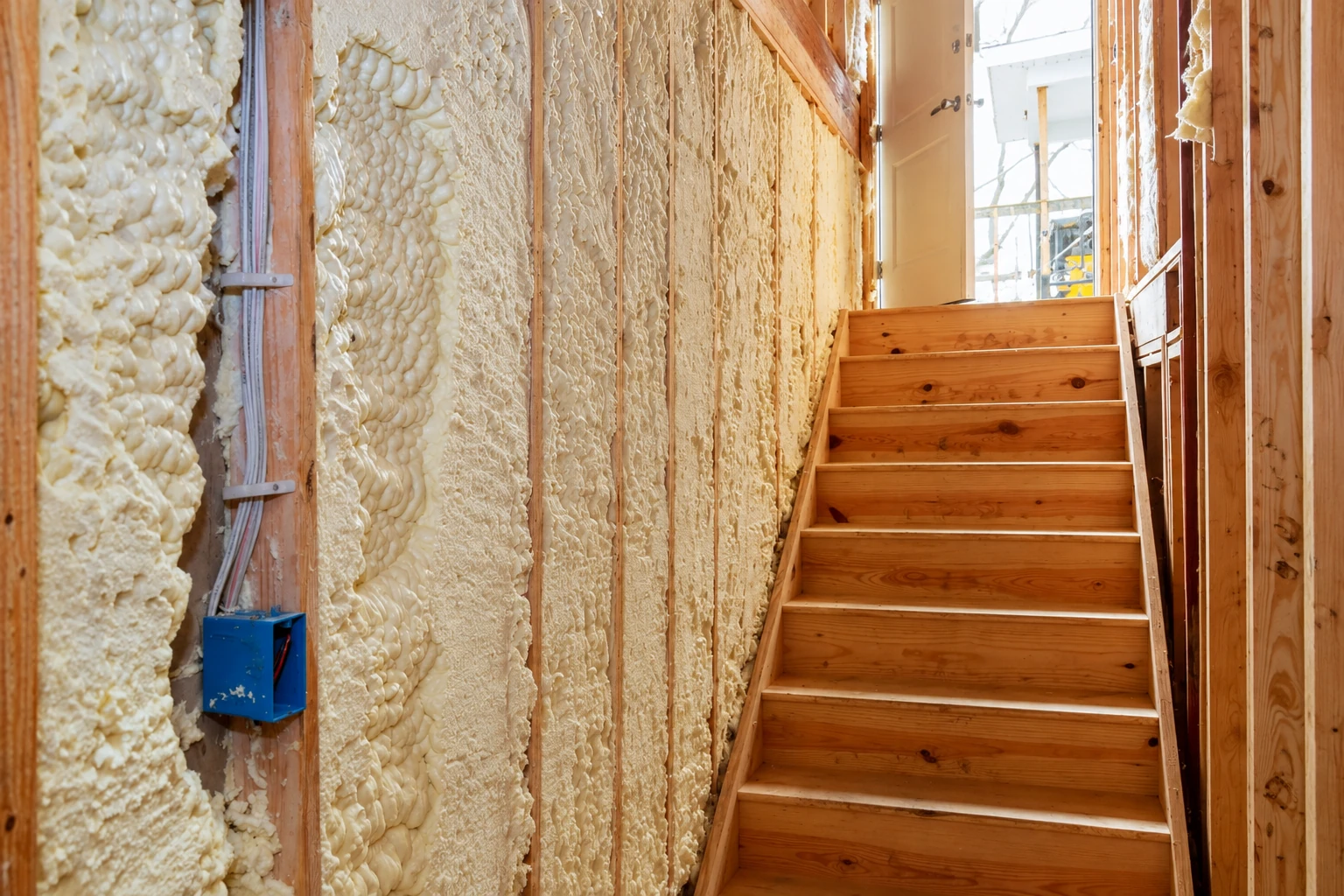
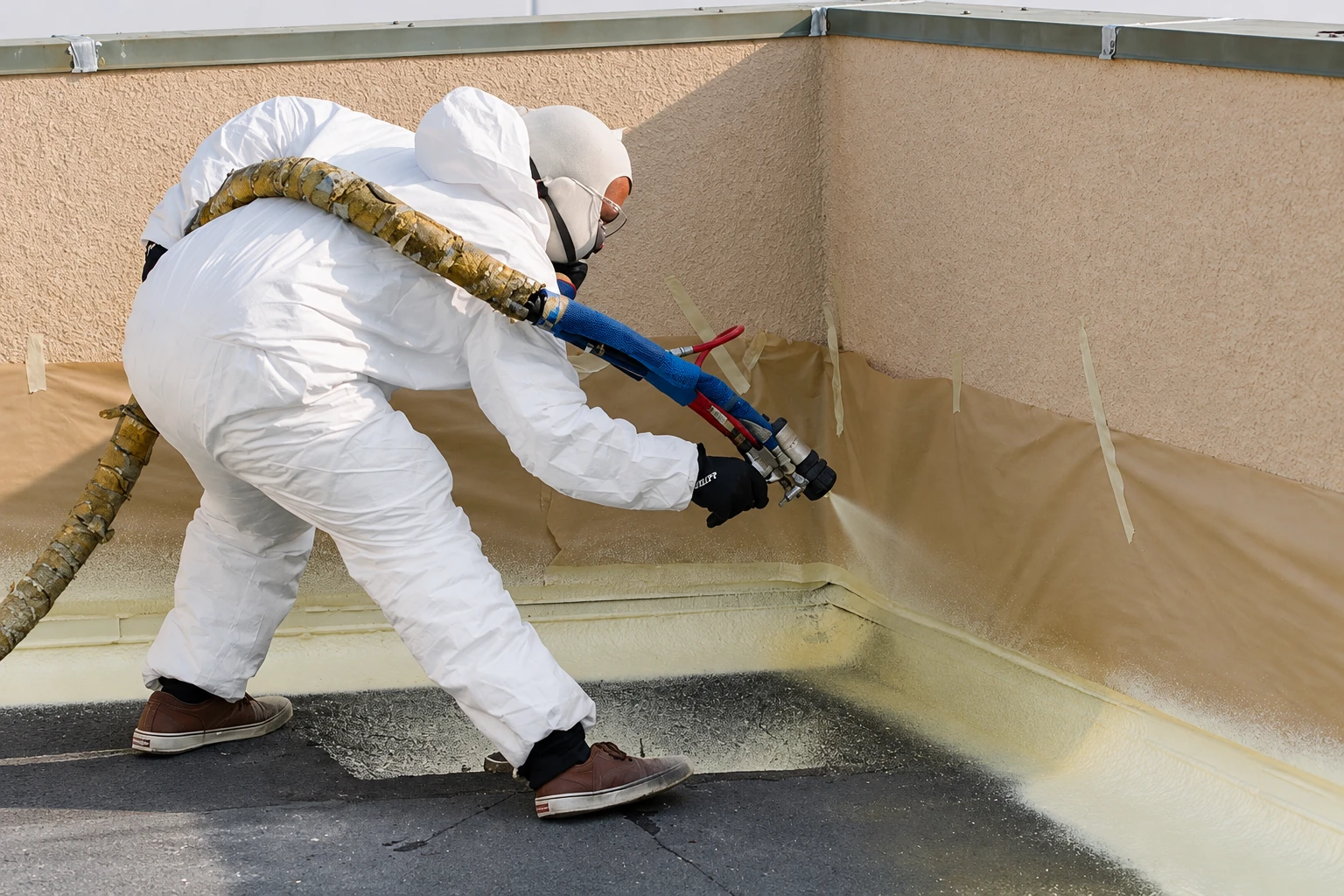
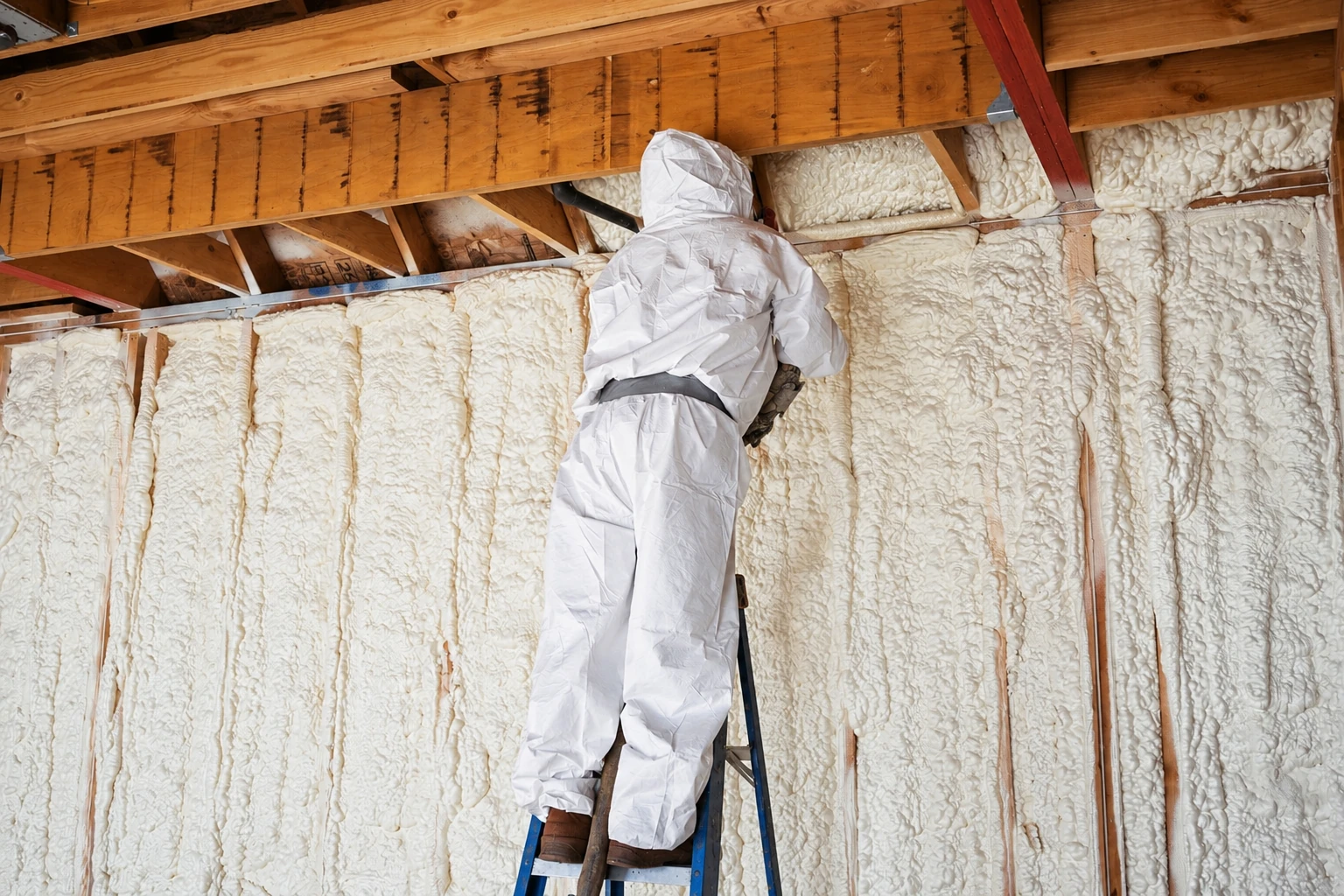
We spray foam where the gaps are many and hard to reach, like the underside of a cabin roof, because it seals and insulates at once. It costs more, so I'll say when loose fill does the job.
R&S Hesperia Insulation Company insulates attics, walls, floors and crawl spaces in Wrightwood, CA, sealing the drafts first so the heat you pay for stays inside your house through the mountain winter.
We're an insulation contractor based in Hesperia, and Wrightwood is the mountain end of our drive, up past Phelan and Piñon Hills. Winters up here are colder than down in the high desert, and a lot of the houses are older cabins with rooms added over the years. So we tend to find thin attic insulation, cold floors over the crawl space and drafts where an addition meets the original house.
The price turns on how big the space is, how easy it is to reach, whether old insulation has to come out first and how many gaps need sealing before anything new goes in. The schedule turns on that same prep, the weather and whether the job needs a county permit. I drive up and look at the space myself, then put what I found and what I'd do on a free estimate.
Mountain attics see critters and roof leaks, so I look for wet, matted or dirty insulation before I price anything, because new material laid over it just hides the problem.
Our crew closes the gaps around light fixtures, pipes, the attic hatch and the seams where additions join, because insulation can't stop a draft that's blowing right through it.
We keep the vents under the roof edge clear and fill the edges of the attic as well as the middle, so the attic still breathes and the cold corners get covered.
We spray foam where the gaps are many and hard to reach, like the underside of a cabin roof, because it seals and insulates at once. It costs more, so I'll say when loose fill does the job.
Most Wrightwood calls start in the attic. We check what's already up there, measure how many inches you have, seal the gaps and bring the coverage up evenly, edges included.
Blown-in insulation is loose fill we blow through a hose, and it's usually the best value for an open attic. We seal first, keep the vents clear and level it so the corners aren't thin.
When the whole house feels cold, I walk it top to bottom, attic, walls and floors, and tell you which part is losing the most heat and what can wait.
If the old insulation is wet, packed down or full of droppings, we bag it and haul it out before anything new goes in, so the smell and the problem leave with it.
Cold floors usually point to a bare or sagging crawl space under the house. We seal the gaps, insulate the floor above or the walls around it, and make sure it stays dry.
Older cabins and add-ons often have empty or half-filled walls. We fill them through small holes we patch afterward, or insulate open walls during a remodel, so the rooms stop feeling drafty.
Air sealing is closing the gaps around pipes, wires, fixtures and doors before any insulation goes on. In a drafty mountain house it often does more good than extra inches would.
Houses on a slope often have a lower level dug into the hill. We insulate those walls and the framing where the house sits on the foundation, so the lowest room stops being the coldest.
Closed-cell foam is a dense foam that also blocks moisture, so we use it on lower walls, crawl spaces and spots where damp is a worry. It's the priciest option, so we use it where it earns it.
Open-cell foam is softer and lighter, and it fills odd roof shapes and vaulted ceilings well. We use it indoors where moisture isn't a concern and a tight air seal matters most.
We also insulate shops, garages and small commercial buildings that need to hold their temperature through cold mornings, and we size the job to how the space is actually used.
A crawl space vapor barrier is a heavy plastic sheet over the dirt under your house. We lay and seal it so ground moisture stays down there instead of soaking the insulation and framing above.
We put vapor barriers where the house needs one and on the right side of the wall or floor, because a barrier on the wrong side can trap moisture instead of stopping it.
Before any insulation goes up top, we seal the hatch, the light boxes and the holes around pipes and wires, because warm air escaping through them is a big reason the house won't stay warm.
Retrofit insulation is adding to a house that's already built and lived in. We work around finished rooms and your furniture, and we top up or replace only what needs it.
Send the form and we'll reply within one business day to set a time. I'll come up to Wrightwood, look at the space myself and give you a free estimate, with no obligation.
I've run this business since 2013, and I'm the one who comes up to look at your attic and crawl space, so the person writing the estimate is the one who saw the job.
Our own crew does the install, and I check the work before we leave, so nothing gets covered up that should have been fixed first.
If your insulation is in fair shape and the real trouble is a few gaps, I'll tell you that, even when it means a smaller job or none at all.
These are the questions Wrightwood homeowners ask before an insulation job, about permits, licenses, leaving the house and which insulation to use.
The county's permit list doesn't name insulation on its own, so ask San Bernardino County Building and Safety before work starts. Its list covers re-roofing, alterations and electrical, plumbing and mechanical work, and the office takes questions on whether a project needs a permit. When a job does call for one, we handle the paperwork and set up the inspections.
Yes, when the job needs a building permit, uses hired workers or comes to $1,000 or more in labor and materials, the state contractors board requires a license, and a bigger job can't be split up to get under that. The county doesn't issue a business license for its unincorporated area, so the state license is the one that counts. We're licensed and fully insured.
For blown-in insulation and air sealing, usually not, because the work stays in the attic or crawl space and we keep it closed off from your rooms. Spray foam is different. You, the kids and the pets stay out until the re-entry time, the wait the foam maker sets before it's safe to come back, and I'll give you that time before we start.
For most attics, sealing the gaps and topping up with blown-in insulation is the better value. Foam costs more because it seals and insulates at once, so it earns its price when the ductwork runs through the attic or the roof shape leaves no room for loose fill. I'll measure how many inches you already have and tell you which fits your house.
Each city below has its own page with notes on the homes we see there. If yours isn't listed, call or send the form and ask, because these aren't the only places we go.
We answer (760) 713-8598 seven days a week, 7 AM to 11 PM, so you can call right after you've been up in the attic yourself.