
Cold floors over the crawl space
Floors over an unheated crawl space are one of the main places a house loses heat, so if your feet notice it first, under the house is usually where we start.
Cold floors and a high power bill usually start under the house. We seal the gaps, then insulate the walls or floor above.
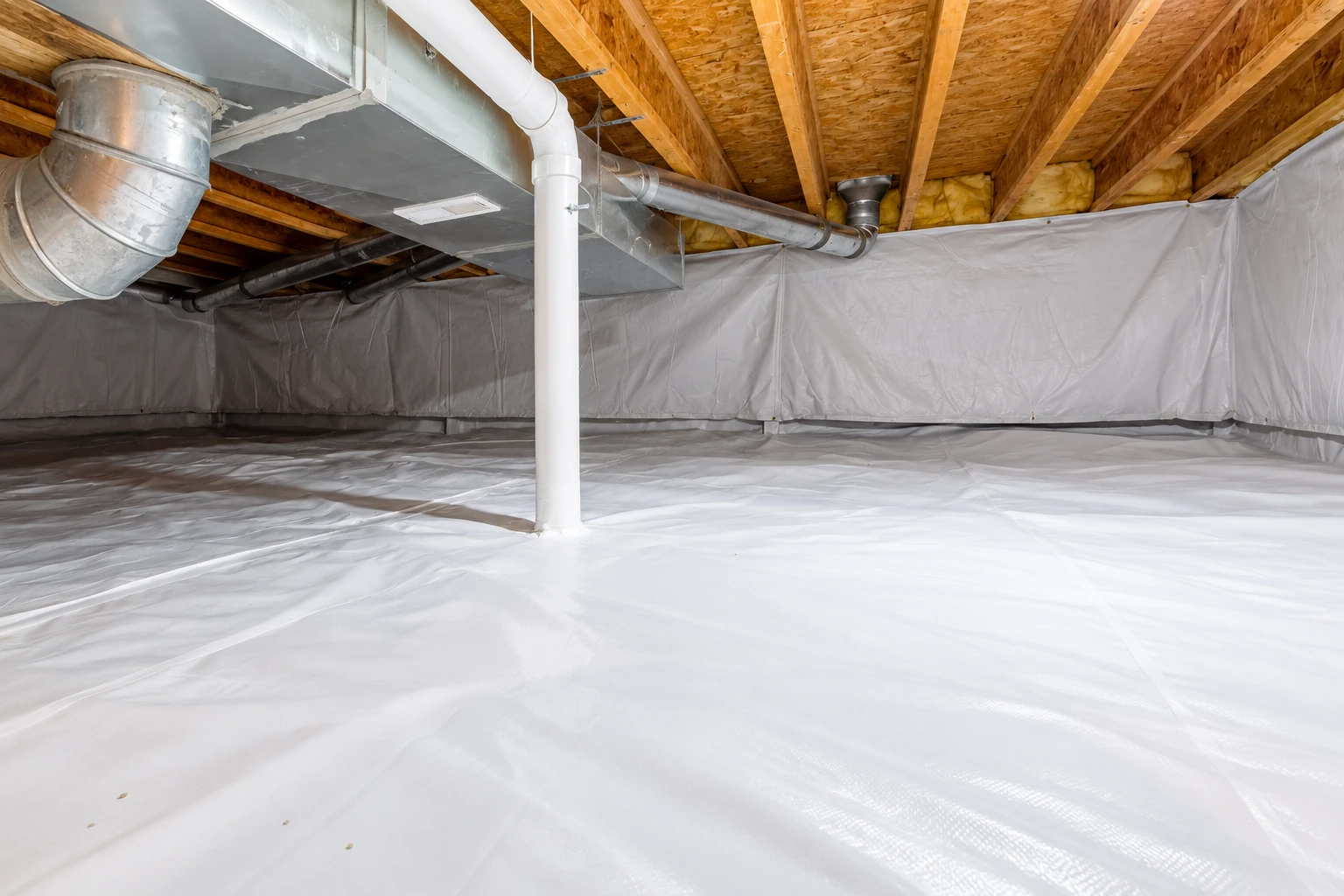
Crawl space insulation in Hesperia seals the gaps under your house and adds insulation along the crawl space walls or under the floor above, so your floors stop feeling cold and less heat slips out through them.
Most of our calls start with a cold floor or a power bill that keeps climbing, and the crawl space is usually where that comes from. I learned this work on my dad's jobs and started this business in Hesperia in 2013, and we work in Victorville, Apple Valley, Phelan and the other cities around it too.
The price moves with the size of the crawl space, whether we insulate the walls or the floor, how many holes need sealing first and whether old insulation has to come out. The schedule turns on that same walls-or-floor choice, any gas equipment that needs a plan before vents close and whatever we find once we're down there. I look at the space myself before I write your estimate, so the numbers come from your house and not a guess.
I'm the one who comes out, goes under the house and writes your estimate, so the price comes from someone who actually saw your pipes, wiring and access.
Our own crew does the install, and I check the work before we leave, so a thin spot or a loose batt gets caught while we're still there.
If your crawl space doesn't need us yet, I'll tell you, because insulation you don't need won't fix the cold floor and only costs you money.
Before anything goes in, we settle with you whether to insulate the crawl space walls or the floor above, because the rest of the job follows from that. If gas equipment sits down there, we sort that out before any vents get closed up.
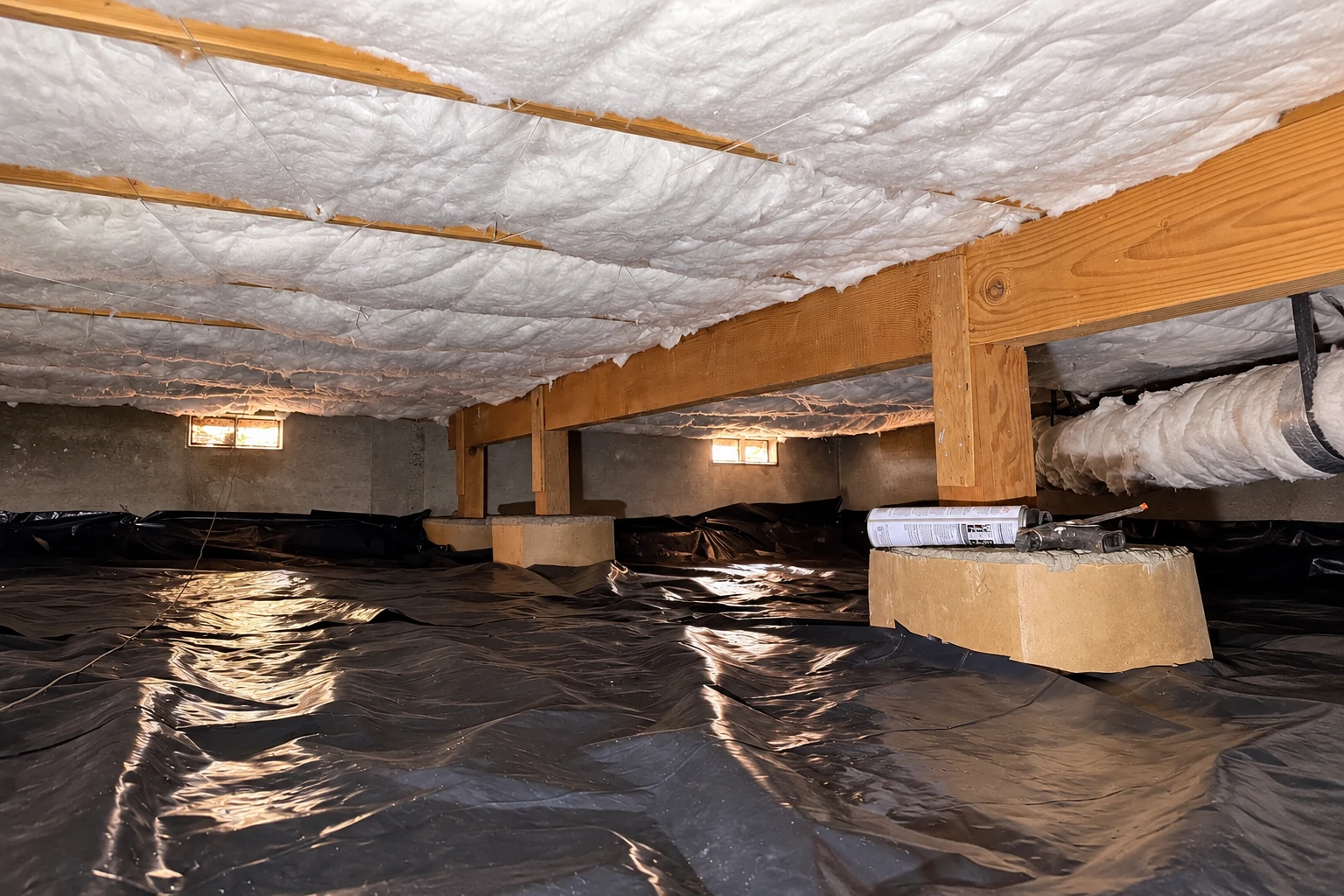
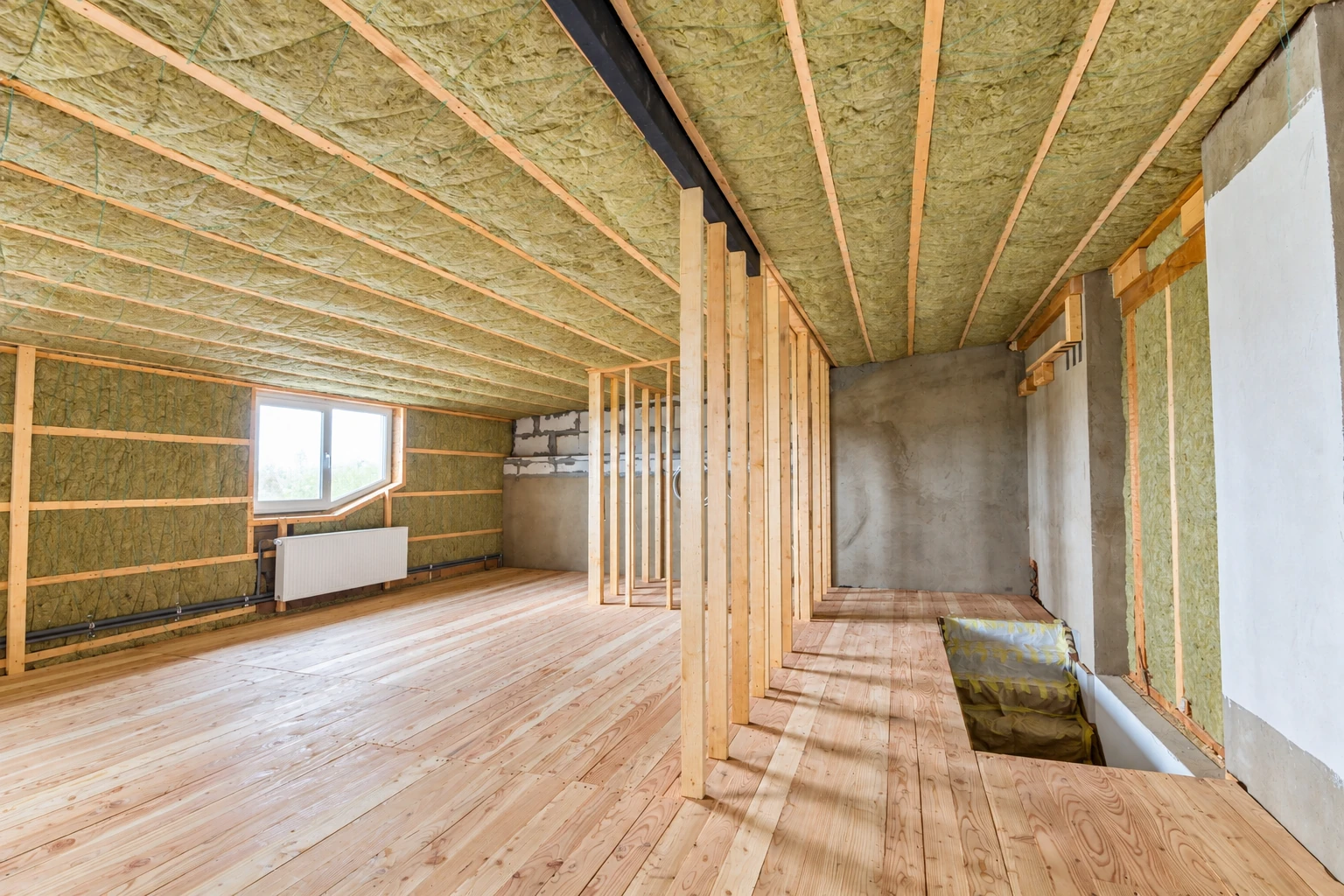
On a floor job, we seal the holes in the subfloor around plumbing and wiring first. That's the air sealing part people skip, and without it the insulation ends up fighting a draft. Then the batts go in snug between the floor joists with no gaps, squashed spots or voids. When you compare quotes, look for that sealing step, and ask how the installer will hold the batts up, since wire or metal supports keep them tight against the subfloor.
On a wall job, the crawl space comes inside the house, so the walls get sealed and insulated and the dirt usually gets a plastic ground cover. Where someone crawls through to service equipment, a thicker reinforced plastic holds up better than a thin sheet. If the rooms above still feel cold through their own walls, wall insulation is a separate job I can look at on the same visit.
Floors over an unheated crawl space are one of the main places a house loses heat, so if your feet notice it first, under the house is usually where we start.
When the ducts live down there, I usually lean toward sealing and insulating the walls, because then the ducts sit inside the house instead of out past the insulation.
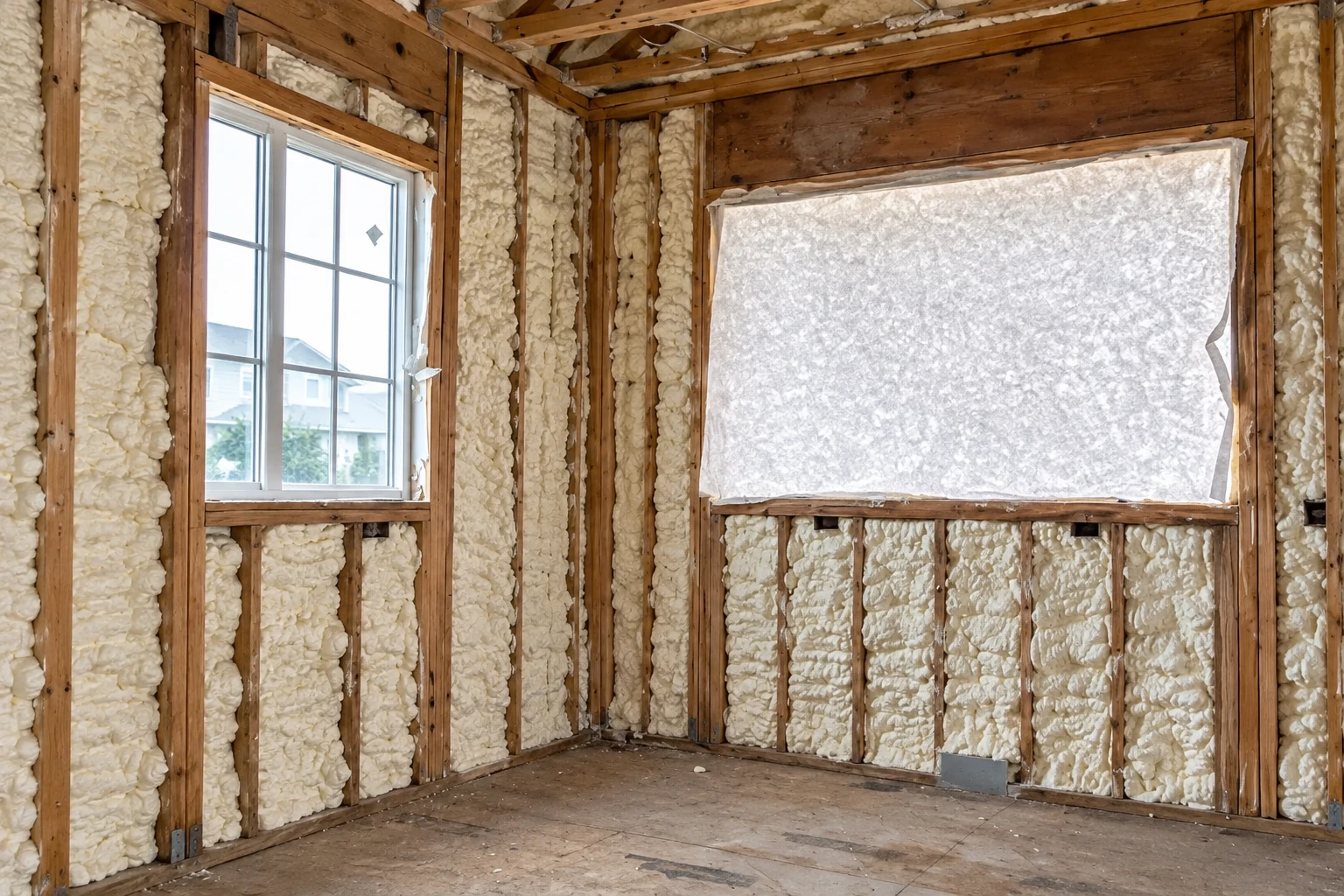
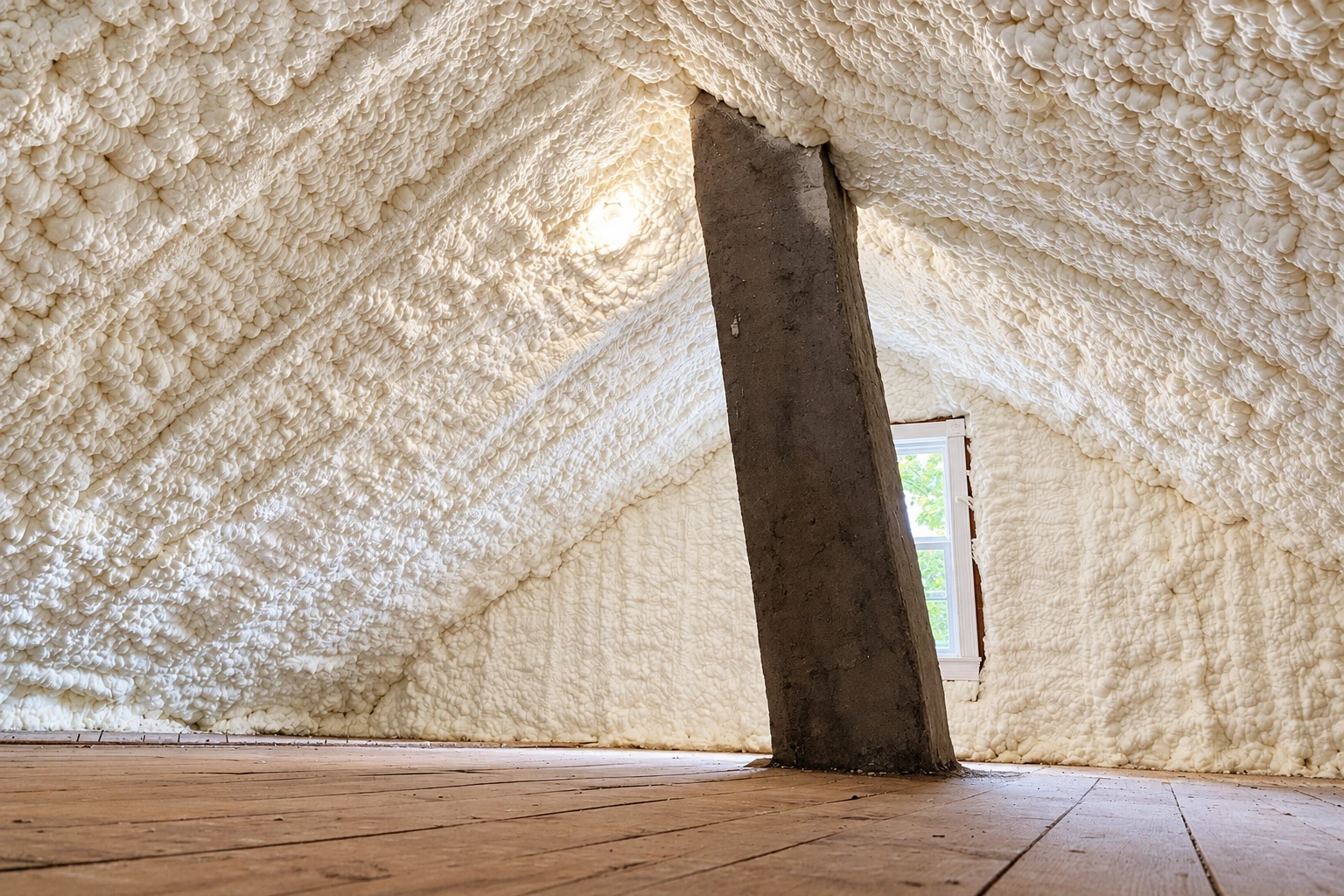
Spray foam can take the place of floor batts and insulates better, but it costs more, and most codes want foam covered, often with drywall, since some foams give off harmful gases when heated.
Old crawl spaces sometimes have asbestos wraps on ducts and pipes. If we find them, a certified asbestos abatement firm inspects them and picks a treatment, and our work goes on after that.
Send the form and we'll reply within one business day to set a time. I come out, look at the crawl space myself and write a free estimate, with no obligation to go ahead.
Give us the home's rough square footage, since crawl space jobs are mostly priced by area and it helps me plan the visit before I get there.
Let us know if a furnace or water heater sits in the crawl space, because that equipment gets planned first and changes how we handle the vents.
Move stored boxes and loose debris out of the crawl space if you can, so we can see the whole floor and a ground cover can go down complete.
These sample photos show floor batts, foam on crawl space walls and plastic ground covers, the options we'll talk through for your house.
Here's what homeowners usually ask before they hire anyone to work under the house, answered the way I'd answer at your door.
Federal energy guidance calls sealing and insulating the crawl space walls a best practice in all climates, though some homes use the floor above as the line instead. That choice decides whether the crawl space becomes part of the house or stays outside it, so settle it before you compare quotes. I'll walk you through which one fits your house when I come out.
No, because sealing the vents by themselves can raise the moisture under your house, so closing a vented crawl space takes more than blocking the openings. If a gas furnace or water heater down there vents naturally, sealing the vents can create a deadly situation. That equipment gets a plan first, and the vents come after.
Across the US, insulating a crawl space usually costs about $3 to $6 per square foot, and that's a national figure, not our price. Where your job lands depends on walls or floor, batts or foam, how much sealing comes first and whether old insulation has to come out. Satisfaction guaranteed on every job.
The city's Building & Safety Division issues the permits needed before building or remodeling, and its list names mechanical, plumbing and electrical work, not insulation, so ask the division about your job. Only the property owner or the owner's licensed contractor or authorized agent can pull a permit there. When a job calls for one, we handle the paperwork and set up the inspections.
California licenses this work under its insulation and acoustical contractor classification, which covers installing any insulating material for temperature or sound control. The state lets unlicensed people take small jobs, a limit it raised from $500 to $1,000, but only when the work needs no permit and they employ no one. We're licensed and fully insured.
We're open 7 AM to 11 PM, seven days a week, so call (760) 713-8598 or send the form whenever it suits you.