
Hot rooms upstairs
When the bedrooms upstairs stay hot long after the sun goes down, the attic is usually where the heat gets in. We check how many inches are up there and where the gaps are.
Hot rooms upstairs or a power bill that climbs every summer? We check the attic, seal the gaps, then insulate it right.
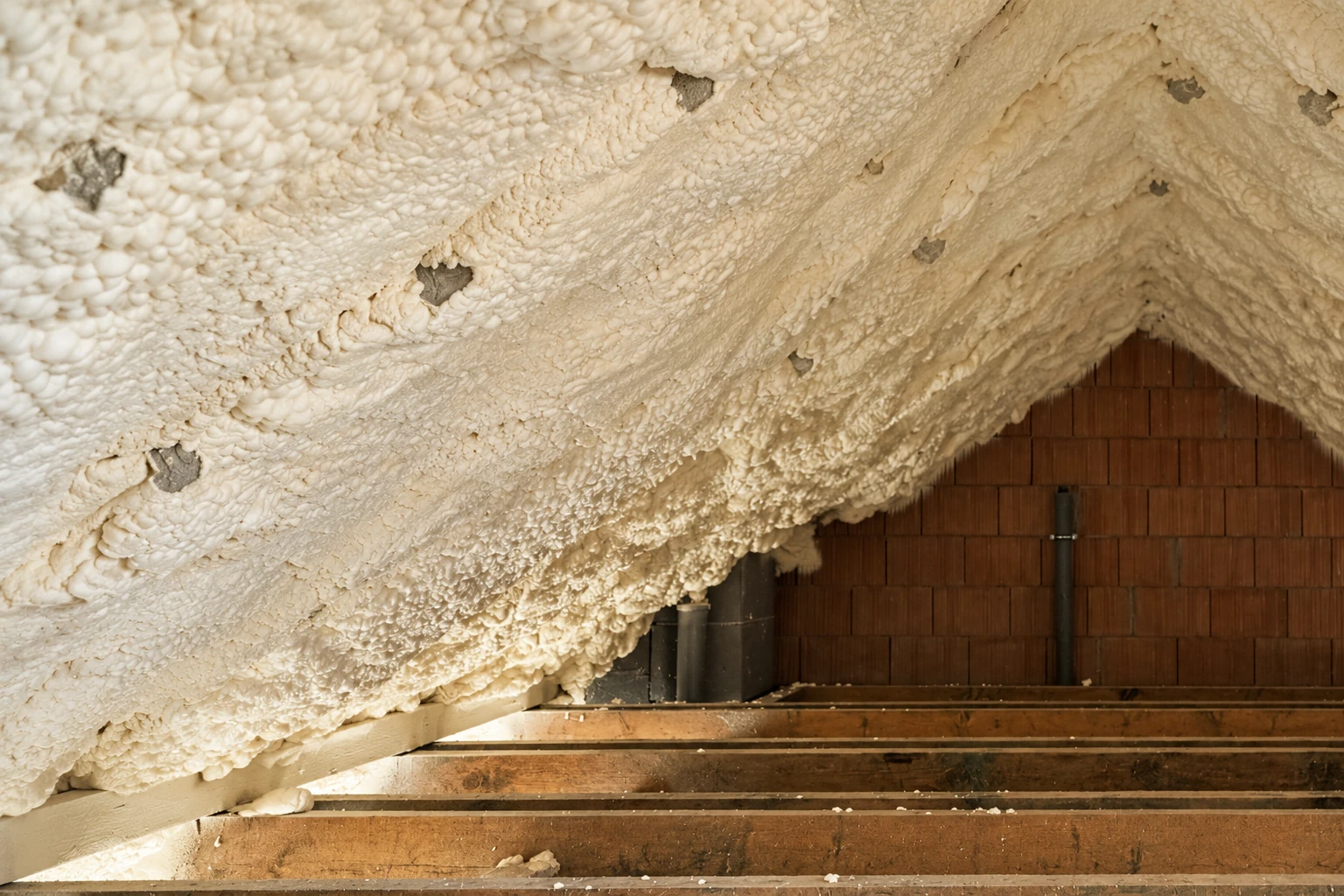
Attic insulation in Hesperia means sealing the air leaks between your attic and the rooms below, then adding insulation on top. It's one of the most cost-effective ways to cut drafts, lower heating and cooling bills, and keep dust, moisture and pests out of the house.
I learned this trade on my dad's jobs and started R&S Hesperia Insulation Company here in 2013. We work in Hesperia, Victorville, Apple Valley, Phelan and the other cities around it, and most calls start the same way, with a hot room upstairs, drafty floors or a bill that keeps going up.
The price mostly comes down to how big your attic is, how many inches are already up there, whether old material has to come out, and how much sealing the gaps take. The schedule turns on what I find on the first look, because a roof leak or bad wiring gets fixed before we insulate, so I come see the space myself before I put anything on paper.
I'm the one who climbs into your attic and writes the estimate. The person pricing your job is the person who actually saw what's up there and answers for it.
Our own crew does the work, and I check it before we leave. That way the edges and the hatch get the same care as the easy middle of the attic.
If your attic already has enough and the real problem is somewhere else, I'll tell you. Sometimes the honest answer is that you don't need us yet.
The work starts with the look-over I do before I quote, and anything on that list gets dealt with before a single bag of insulation goes up. New material laid over a leak or a bad wire just hides the problem, and if the old insulation is soaked or full of droppings, it comes out first instead of getting buried. National attic guidance also sets the order from there. Fuel-burning appliances have to vent safely and the house has to get fresh air, then attic ventilation gets sorted out, then air sealing is finished, and insulation goes in last, because that's how it does the most good.
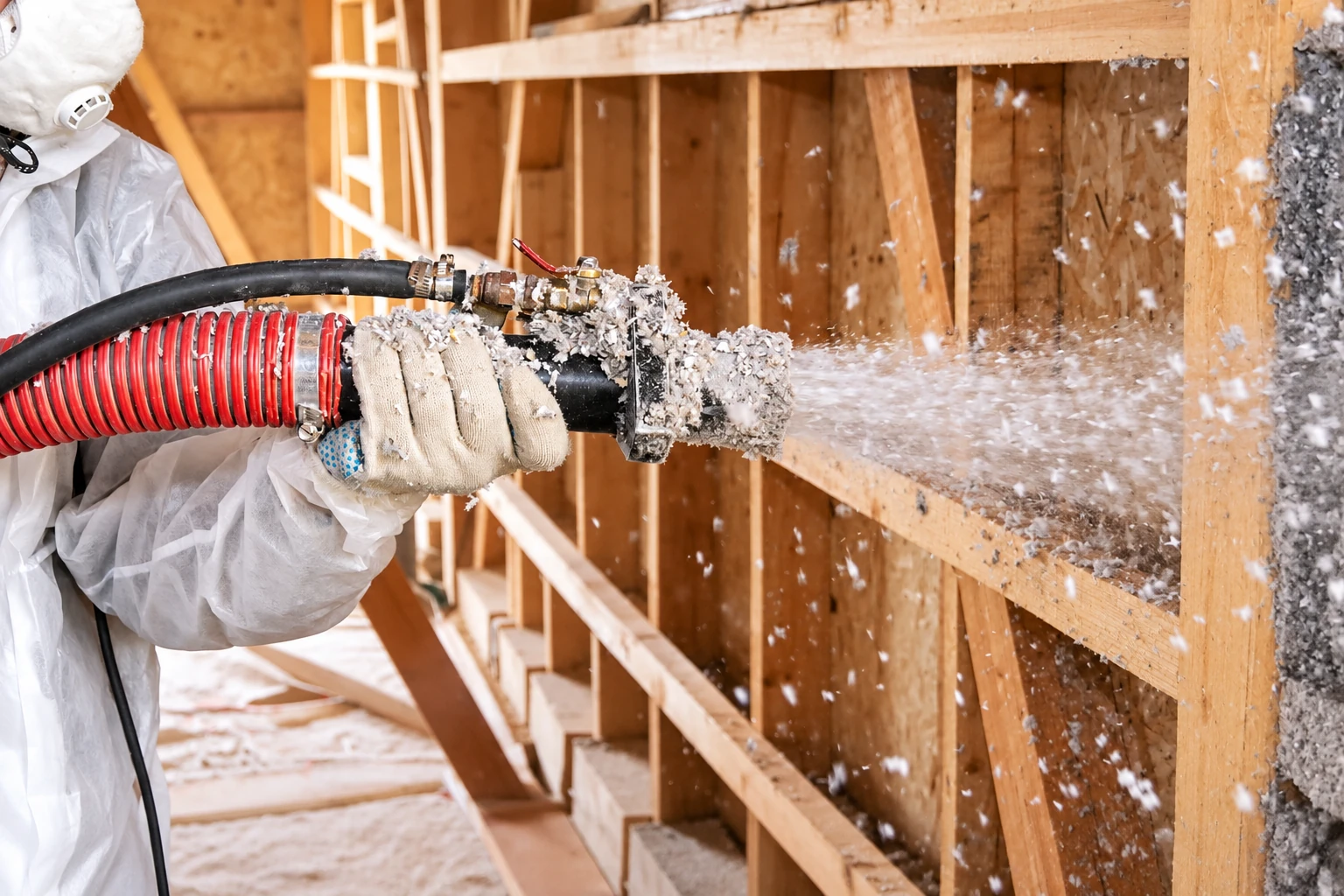
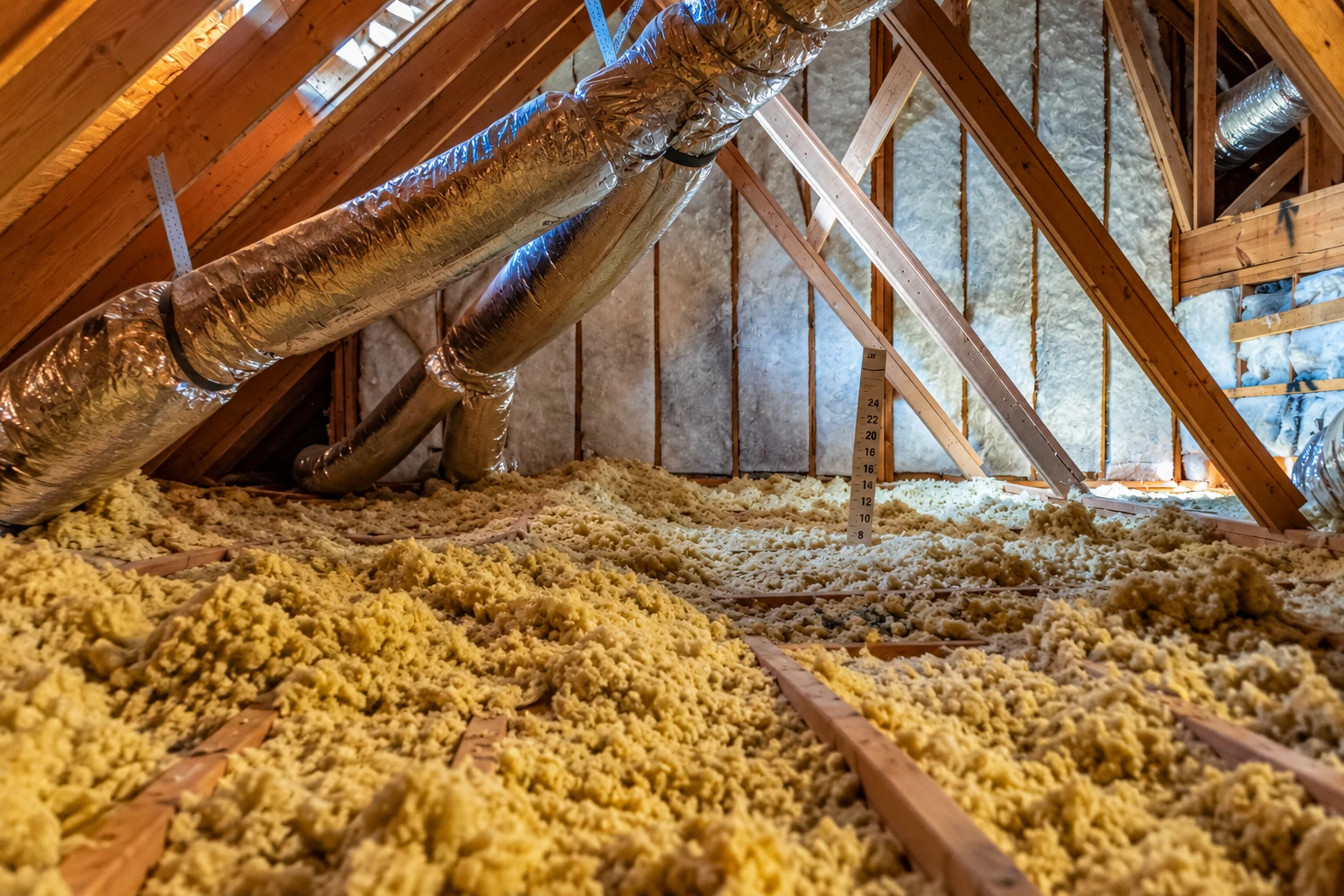
Air sealing, closing the gaps before insulating, is where we spend real time, around can lights, pipes, wire holes and the attic hatch, because insulation over an open gap is fighting a draft all day. If your attic has soffit vents, the vents under the eaves, the same guidance calls for a baffle at each one so wind can't blow insulation off the edges, and we keep those vents clear so the attic can still breathe. For the top layer we usually use blown-in insulation, loose fill blown through a hose, because it fills any space without changes to the framing or your ceiling, and we run it full depth out to the edges instead of piling it in the middle.
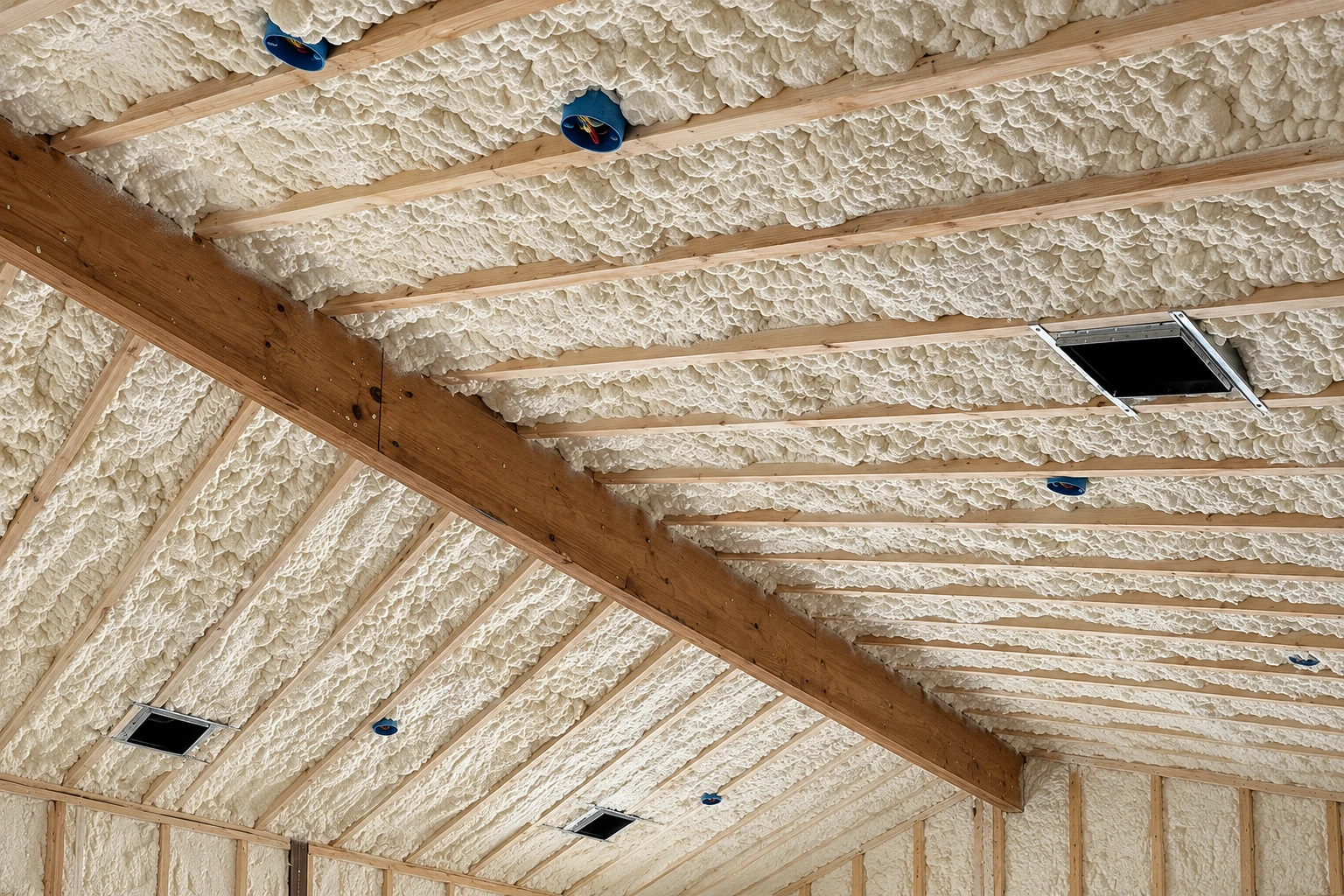
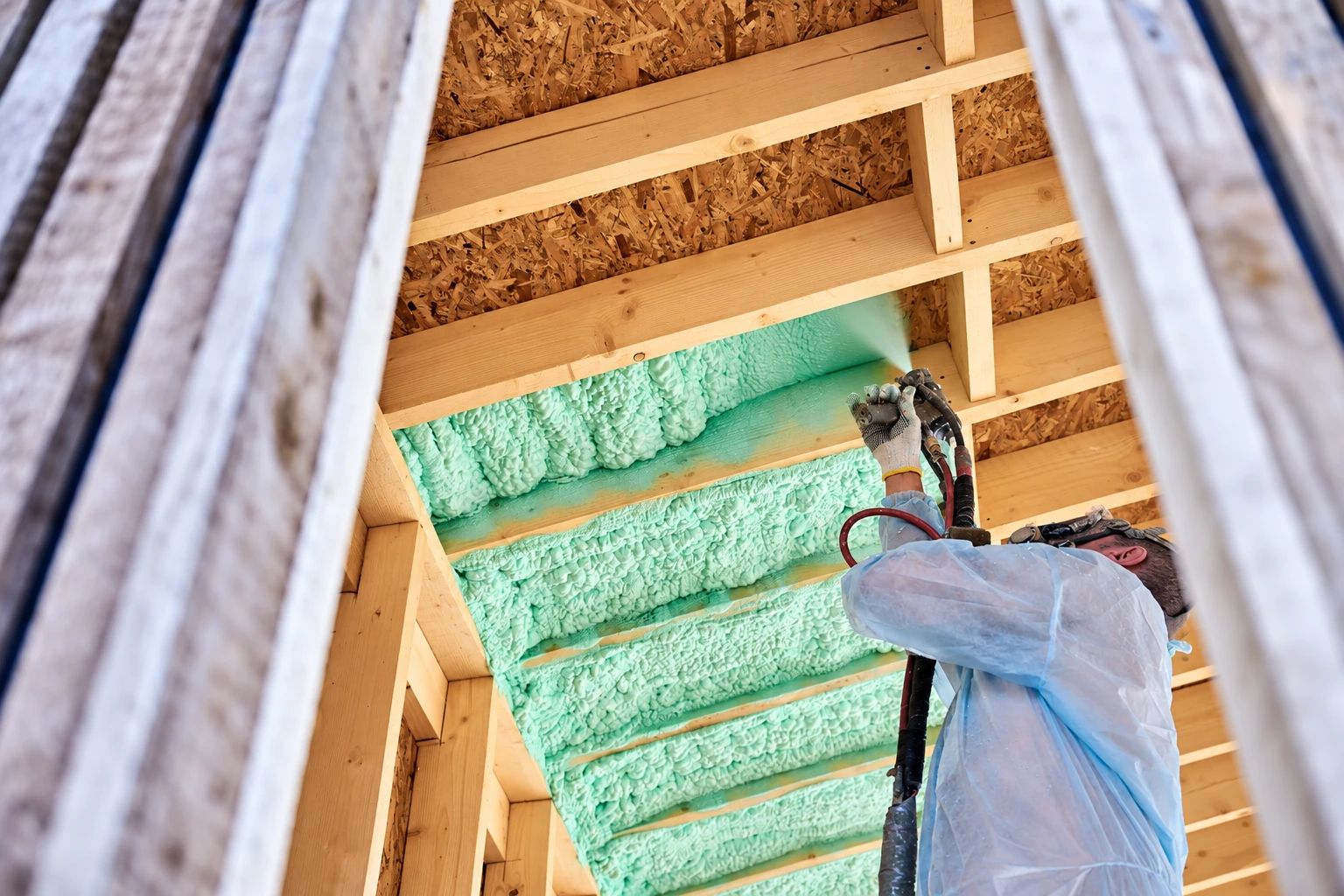
Spray foam costs more but seals air while it insulates. Sealing the gaps and topping up loose fill usually wins, so I only steer you toward foam when your ductwork runs through the attic. If the hot room turns out to be a wall or floor problem too, we can look at the whole house as home insulation.
When the bedrooms upstairs stay hot long after the sun goes down, the attic is usually where the heat gets in. We check how many inches are up there and where the gaps are.
That room often has the thinnest coverage in the house and the most gaps around it. Sealing it and filling it properly is one of the more common fixes we're called for.
If the cooling bill climbs every summer and the system runs nonstop, the attic is one of the first places I look. Sometimes the fix is up there, and sometimes it's the ductwork.
In an older house, what's up there may be flattened, stained, or a type that needs checking before anyone touches it. We find out what it is before planning anything on top of it.
Send the form and we'll reply within one business day to set a time. I come out, look at your attic myself, and give you the problem list and a free on-site estimate, with no obligation.
Let us know if your attic opens through a ceiling hatch in a closet or hallway, or a pull-down ladder. It helps me plan the visit and bring the right gear.
If you know about a roof leak, a damp spot on a ceiling or old wiring up there, say so. It's going on the list anyway, and knowing ahead lets me look closer.
If you know your house's age or what kind of insulation is in the attic, include it. Older material sometimes needs checking first, and that changes what the job involves.
These example photos show blown-in coverage, baffles at the eaves and sealed hatches, so you can point to what you'd like to talk over.
Here are straight answers to what people ask before attic insulation work, from the first check to permits, licenses and cost.
National attic guidance says to check for water leaks, moisture, structural or pest damage, and enough ventilation before any work starts. You get the list of needed repairs first, so a leak or a vent problem gets fixed and budgeted before insulation covers it up.
No. Guidance says insulation goes in only after active knob and tube wiring, the old wiring strung on porcelain knobs, is replaced or properly boxed, and work stops if the existing insulation is vermiculite, because it may contain asbestos. If your house has either one, plan for that step first, and I'll flag it on the problem list.
Check with the city's Permit Center before work starts, because Hesperia requires a building permit before construction or remodeling, and its list names re-roofing over 25% and HVAC or electrical changes but doesn't name insulation. The state Energy Code also sets requirements for changes to existing homes. When a job calls for a permit, we handle the paperwork and set up the inspections.
In Hesperia, only the property owner, the owner's licensed contractor or an authorized agent can get a building permit. You can apply directly or leave it to us. If you'd rather do it yourself, I'll go over what the job includes so you know what to tell the city.
California's C-2 Insulation and Acoustical class covers contractors who install any kind of insulation for temperature or sound control, so that's the class to look for when you hire for attic work. We're licensed and fully insured, and I'm glad to answer questions about it when I come out.
I don't give a number until I've been up in your attic, because the repairs on the problem list can change the job as much as the insulation does. Choosing foam over loose fill raises it, and topping up a clean, sealed attic keeps it down. Call or send the form and I'll come out and price yours.
We're open every day from 7 AM to 11 PM, so call (760) 713-8598 or send the form whenever that hot room bugs you.