
Spray foam insulation
Foam seals air while it insulates, but it costs more. When your ductwork runs through the attic, it's usually worth it. When it doesn't, sealing the gaps and topping up loose fill usually wins, and I'll tell you so.
R&S Hesperia Insulation Company is an insulation contractor working in Apple Valley, CA, on hot rooms, drafty floors and high power bills. We seal the gaps first, then insulate attics, walls, crawl spaces and shops.
Apple Valley is part of our regular run from Hesperia, the same as Victorville and Oak Hills. The calls here are about a hot room over the garage, cold floors and a power bill that keeps climbing. In older ranch houses we often find a few thin inches of old insulation, and in newer tract homes the blown-in is usually piled up in the middle and thin at the edges.
What moves the price is what I find up there: how many inches you already have, whether the old material is wet or full of droppings and has to come out first, how many gaps need sealing, and how easy the attic or crawl space is to get into. Foam costs more than loose fill. The schedule turns on the same things, plus a permit when your job calls for one, and I put your number and the plan on paper only after I've looked at the space myself.
Apple Valley runs its own Permit Center and its own business license for contractors who work here. The questions below cover what that means for your job and for who you hire.
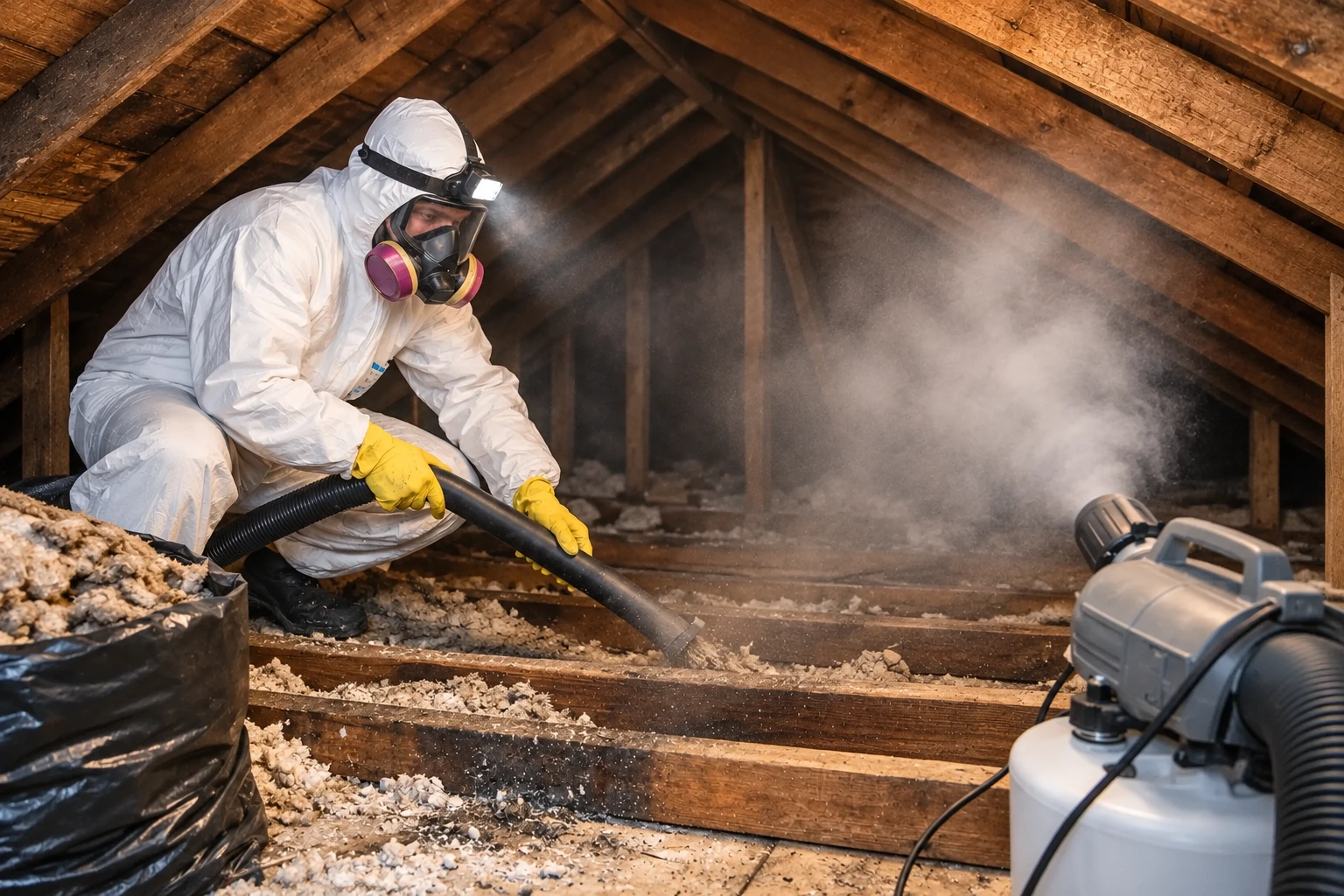
If what's up there got soaked or is full of droppings, we pull it out before adding anything, because new insulation over a bad layer just hides the problem.
Air sealing, closing the gaps around can lights, pipes and the attic hatch, comes first so a draft isn't pushing straight through the new insulation.
We keep the vents at the eaves clear and build the edges up as deep as the middle, so the attic keeps breathing and the thin spots don't stay thin.
Foam seals air while it insulates, but it costs more. When your ductwork runs through the attic, it's usually worth it. When it doesn't, sealing the gaps and topping up loose fill usually wins, and I'll tell you so.
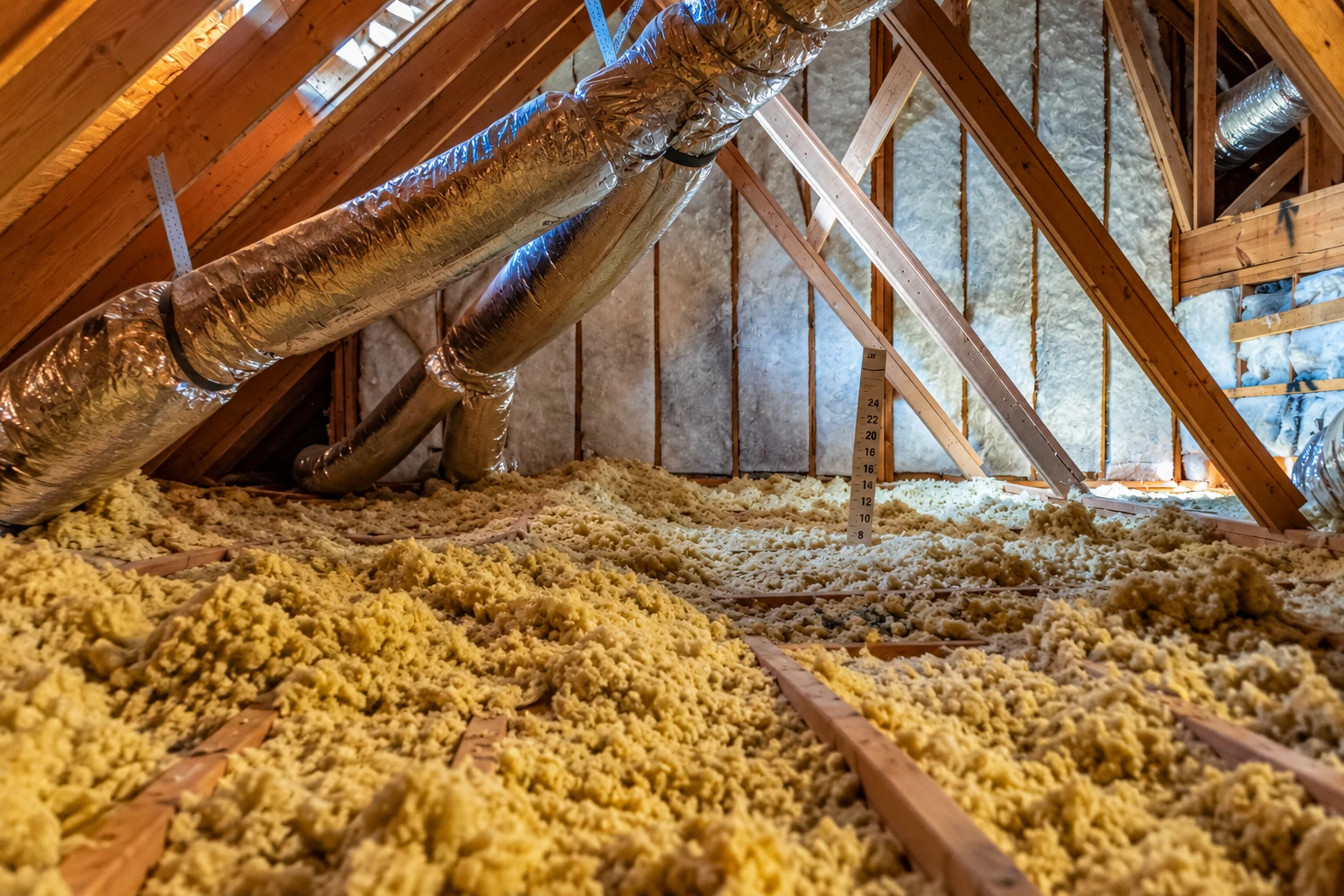
Most hot-upstairs calls end up in the attic. We count the inches already there, seal around lights, pipes and the hatch, then bring the coverage up evenly, edges included.
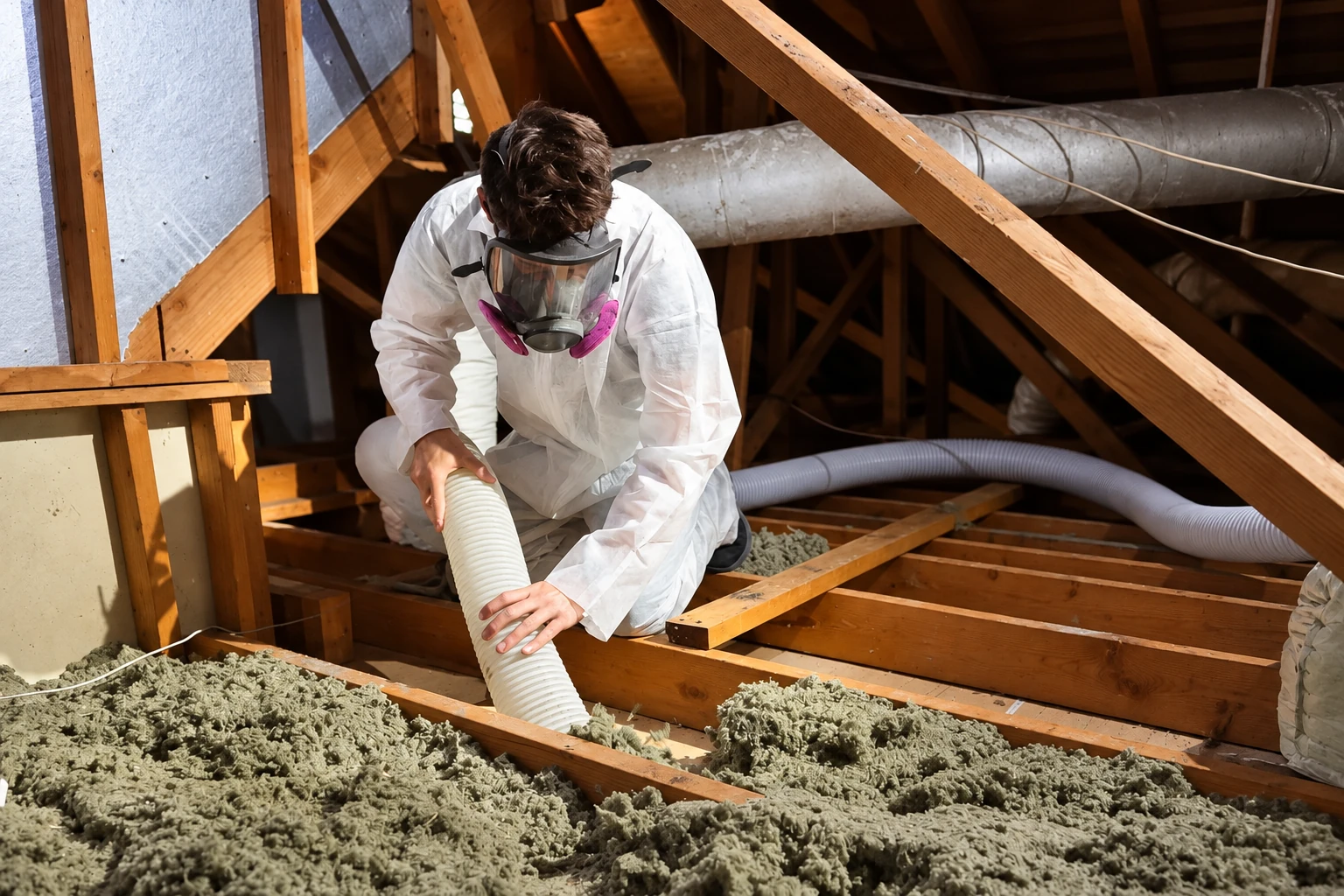
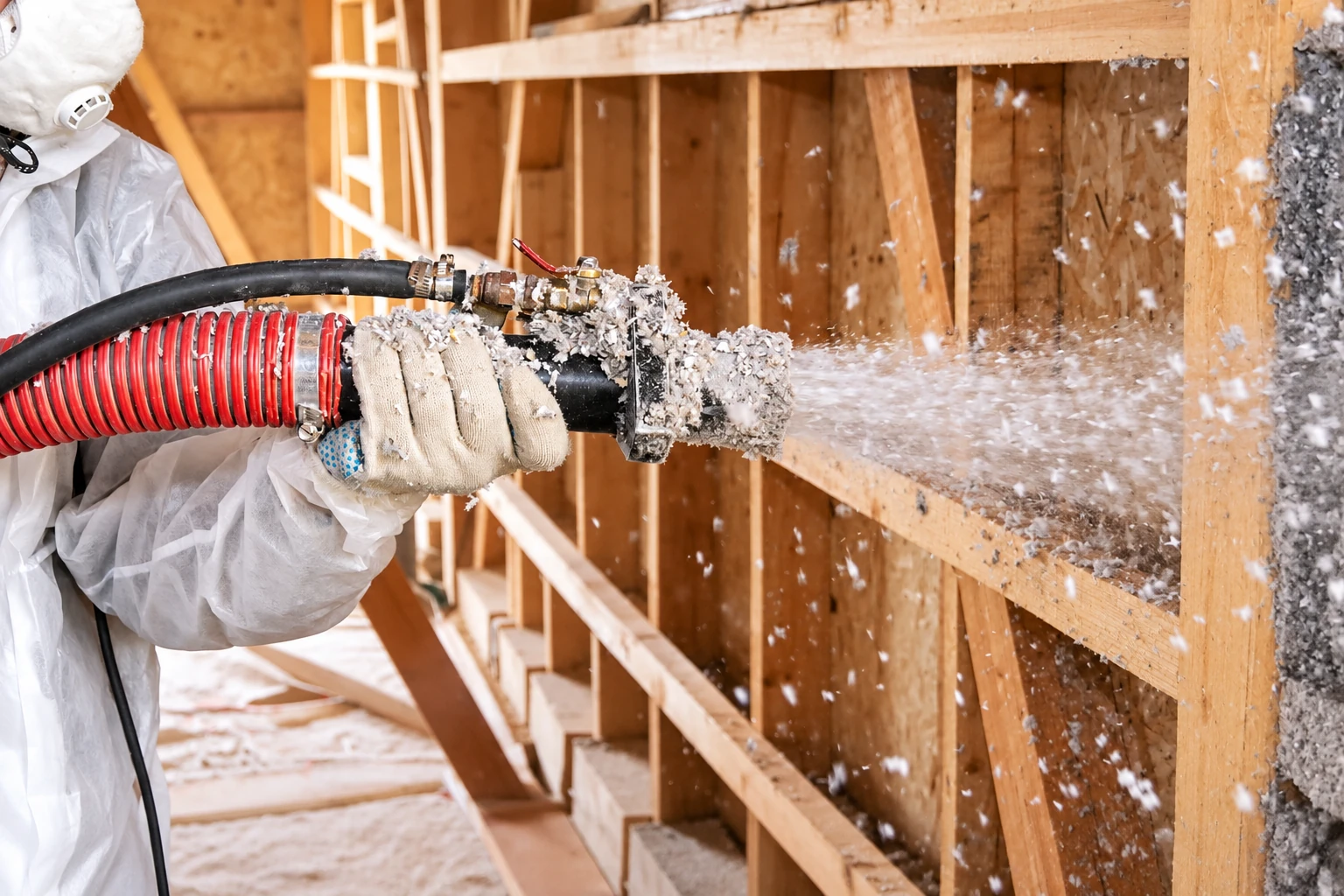
Blown-in is loose fill sent through a hose, so it settles into corners and around framing that batts can't reach. We keep it clear of the eave vents so the attic still breathes.
For a whole house, I start where the heat and drafts are getting through, usually the attic, then the floors or walls. You get a plan in order, with what can wait called out.
When old insulation is soaked, matted or full of droppings, we bag it and haul it out. Laying new material over it keeps the smell and the damage right where they were.
Cold floors usually trace back to a bare crawl space. We seal the gaps where the house meets the foundation first, then insulate between the floor joists so the rooms above warm up.
Existing walls can usually be filled through small holes we patch afterward, without tearing out the drywall. New walls in an addition or remodel get insulated while they're still open.
We track down where air leaks between your living space and the attic or crawl space and close it with foam and caulk, so the house stops pulling in dust and outside air.
If your house has a basement, we insulate the walls and the band where the floor framing sits on the foundation, so the room below holds its temperature and the floor above feels warmer.
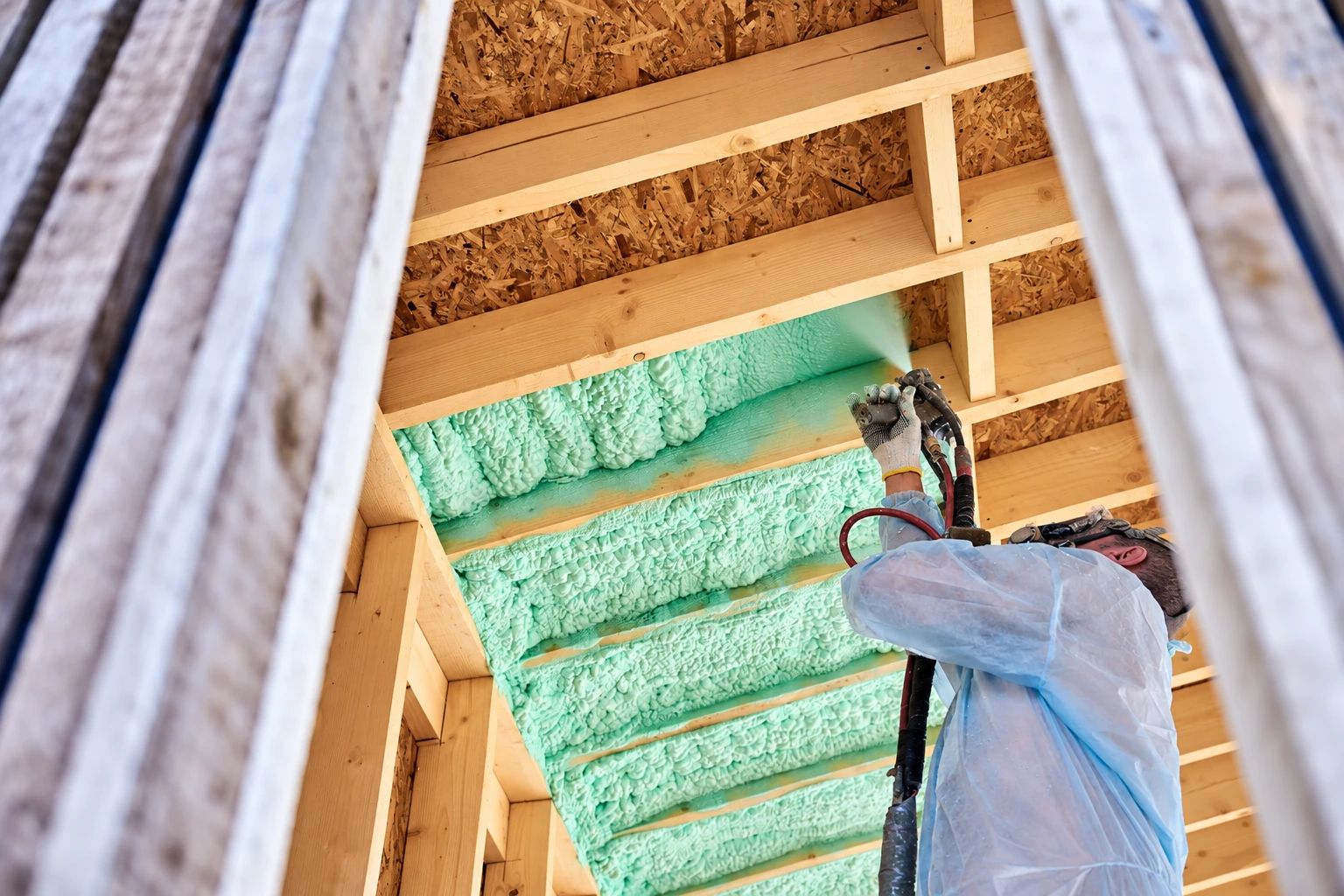
Closed-cell foam is dense foam that also blocks moisture, so it suits crawl spaces, metal buildings and the edges of floor framing. It costs more than open-cell, and I only suggest it where that matters.
Open-cell foam is softer and lighter, good for filling odd-shaped spaces and quieting a room. It doesn't stop moisture the way closed-cell does, so we're careful about where it goes.
Shop and building owners call us when a space won't hold its temperature. I look at the walls and roof first, then we plan the work with your business hours in mind.
We lay heavy plastic over the dirt under the house to keep ground moisture out of the floor framing and insulation. The seams get overlapped and taped so it works as one sheet.
A vapor barrier is a sheet that keeps moisture from moving into walls, floors or ceilings. Put on the wrong side, it can trap water, so we check the space before deciding where it goes.
Before new insulation goes up, we seal the top of the house: wire and pipe holes, gaps around ceiling lights, and the hatch, which gets weatherstripping and an insulated cover.
Adding insulation to a finished house means working around what's already there. We check the old material, point out any leak or bad wiring that needs fixing first, then top up attics, walls or floors.
Send the form or call, and we'll reply within one business day to set a time. I'll come out, look at the space myself and write a free estimate, with no obligation to go ahead.
I'm the one who comes out, goes up in the attic or under the house, and puts the plan on paper, so you're dealing with the owner from the first visit.
The install is done by our own crew, not hired out. I check the work before we leave, so I can look for thin spots and buried vents while we're still there.
I learned insulation on my dad's jobs and started this business in Hesperia in 2013. Satisfaction guaranteed on every job, and I'll tell you straight if something can wait.
These are the permit and license questions that come up before an insulation job in Apple Valley, answered from the city's and the state's own rules.
Check with the Town of Apple Valley first, because the city's list of work that needs a permit doesn't name insulation either way. Its Permit Center gives building a house, adding a room and electrical or plumbing work as examples, and its staff answer code questions. When your job calls for a permit, we handle the paperwork and set up the inspections.
A state contractor's license applies when a job needs a building permit, uses any additional workers, or costs $1,000 or more in labor and materials. That's how the California Contractors State License Board sets it. Ask any contractor for their state license before anyone starts work in your attic. We're licensed and fully insured.
Yes, the city requires a business license for any business activity in Apple Valley, including companies based elsewhere. It's a yearly license, and contractors applying for it have to show a valid California contractor's license. Asking about both the state license and the city license is a fair way to check who you're hiring.
We're based in Hesperia and work in the cities listed here and others around it. If yours isn't on the list, call or send the form and ask.
Call (760) 713-8598 or send the form, and I'll tell you straight whether you need us now or whether the job can wait.