
Spray foam insulation
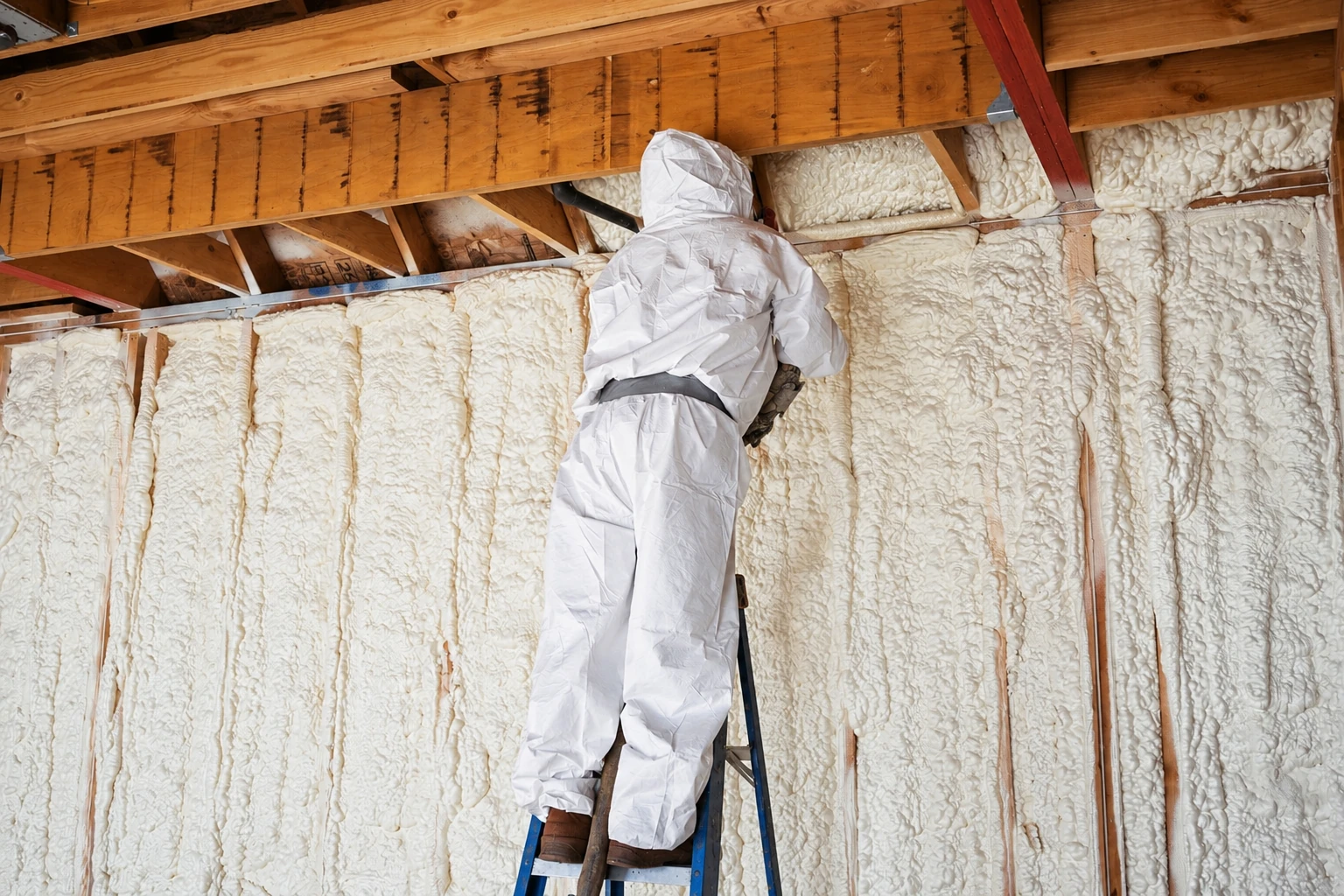
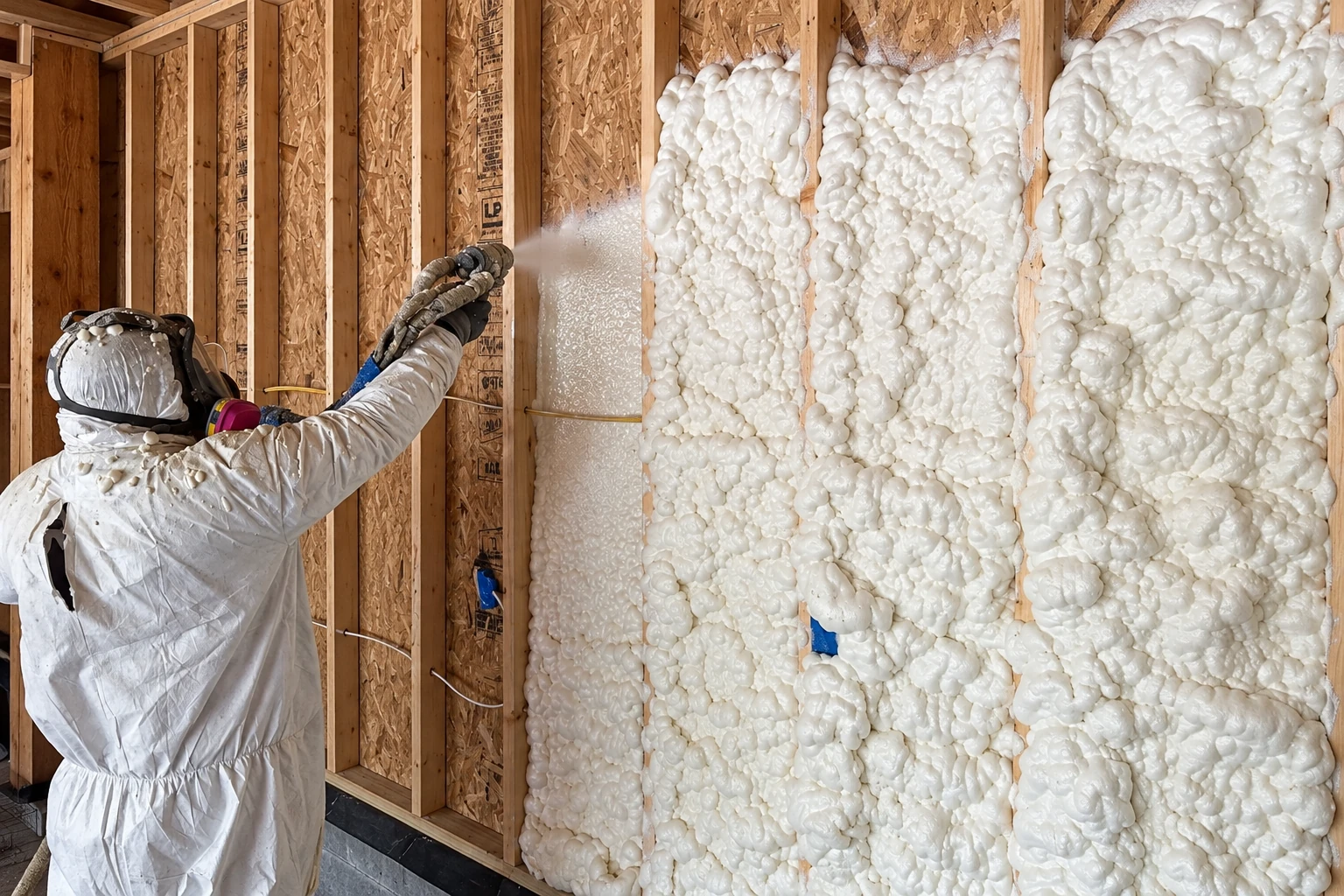
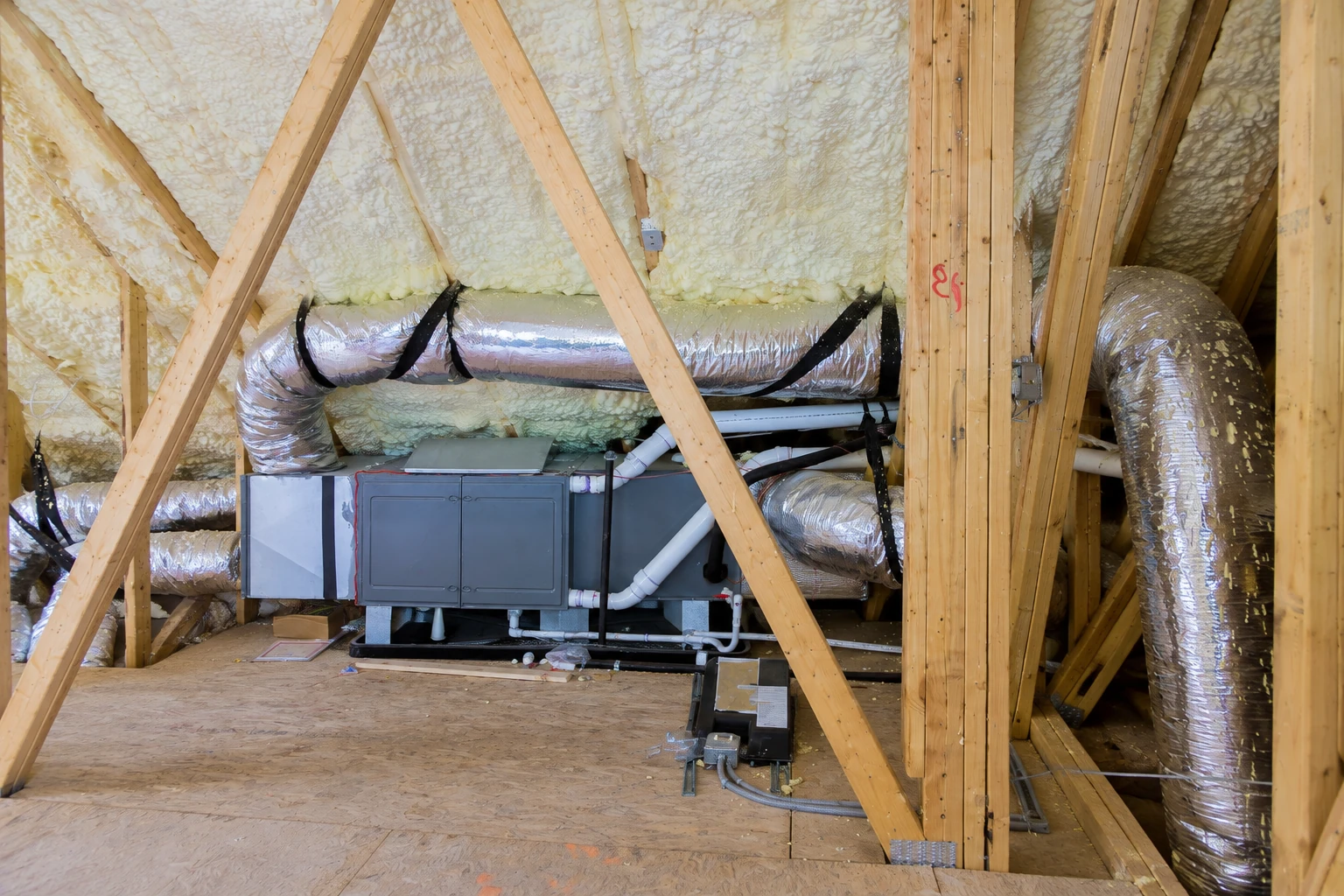
Foam seals air and insulates in one pass, which suits a metal shop, the room over the garage or an attic where the ductwork lives. It costs more than loose fill, so I'll tell you when it's worth it.
R&S Hesperia Insulation Company is an insulation contractor working in Lucerne Valley, CA. We seal the gaps, clear out old material and insulate attics, walls, crawl spaces and shops so they stay cooler in summer and warmer in winter.
Lucerne Valley sits at the southwestern edge of the Mojave Desert, 3,000 to 4,000 feet up, where temperatures average about 74 degrees in summer and about 44 in winter. Your attic soaks up heat for months and then loses it all winter, so we insulate for both seasons, not just the summer power bill. Rain is rare out here, but a single storm can drop more than an inch, so before we add anything I check for old roof leaks and water-stained insulation.
The price moves with how many inches are already up there, whether old material has to come out, and how many gaps around the hatch, can lights and pipes need air sealing, which means closing them up before any insulation goes in. It also depends on the material you pick. Foam costs more and seals air as it insulates. For most attics, sealing the gaps and topping up with blown-in, loose fill sent through a hose, is the better buy, unless your ductwork runs through the attic. The schedule turns on the same things, plus a permit if your job needs one. I'll give you your own figure after I've looked at the space, and if you already have enough up there, I'll tell you that too. We're an insulation contractor based in Hesperia, CA, and we do the same work in Apple Valley and up in Wrightwood.
San Bernardino County doesn't issue a countywide business license, so the license that matters for this work comes from the Contractors State License Board. We're licensed and fully insured.
If what's up there got soaked in a storm or is full of rodent droppings, we take it out before adding anything, because new material laid over it just keeps the problem.
We keep the eave vents clear so the attic can breathe and dry out. We also make sure coverage reaches full depth at the edges, where it usually runs thin.
Foam seals air and insulates in one pass, which suits a metal shop, the room over the garage or an attic where the ductwork lives. It costs more than loose fill, so I'll tell you when it's worth it.
We measure the inches already down and look for leak stains and buried eave vents before we start. Then we seal the gaps and bring the coverage up evenly, edges included.
We blow loose fill through a hose from the truck, so it reaches the low corners at the eaves where batts get skipped. It's usually the simplest way to top up an attic that already has some.
When the house runs hot upstairs and cold at the floors, I look at the attic, walls and underfloor together. That way we fix things in the right order instead of chasing one room at a time.
Insulation that got soaked or fouled by rodents comes out before anything new goes in. We bag it, clean the space and haul it away, because new material over that just hides the problem.
Cold floors in winter usually trace back to an open crawl space. We insulate between the floor joists and seal the pipe and wire holes so the cold air under the house stays there.
Older walls are often empty, or the insulation inside has settled. We fill them through small holes that we patch afterward, so you don't lose a wall to get the job done.
We go after the gaps at the hatch, can lights, plumbing and wiring before any insulation goes in. Insulation can't stop air that's moving straight through a hole, so this step comes first.
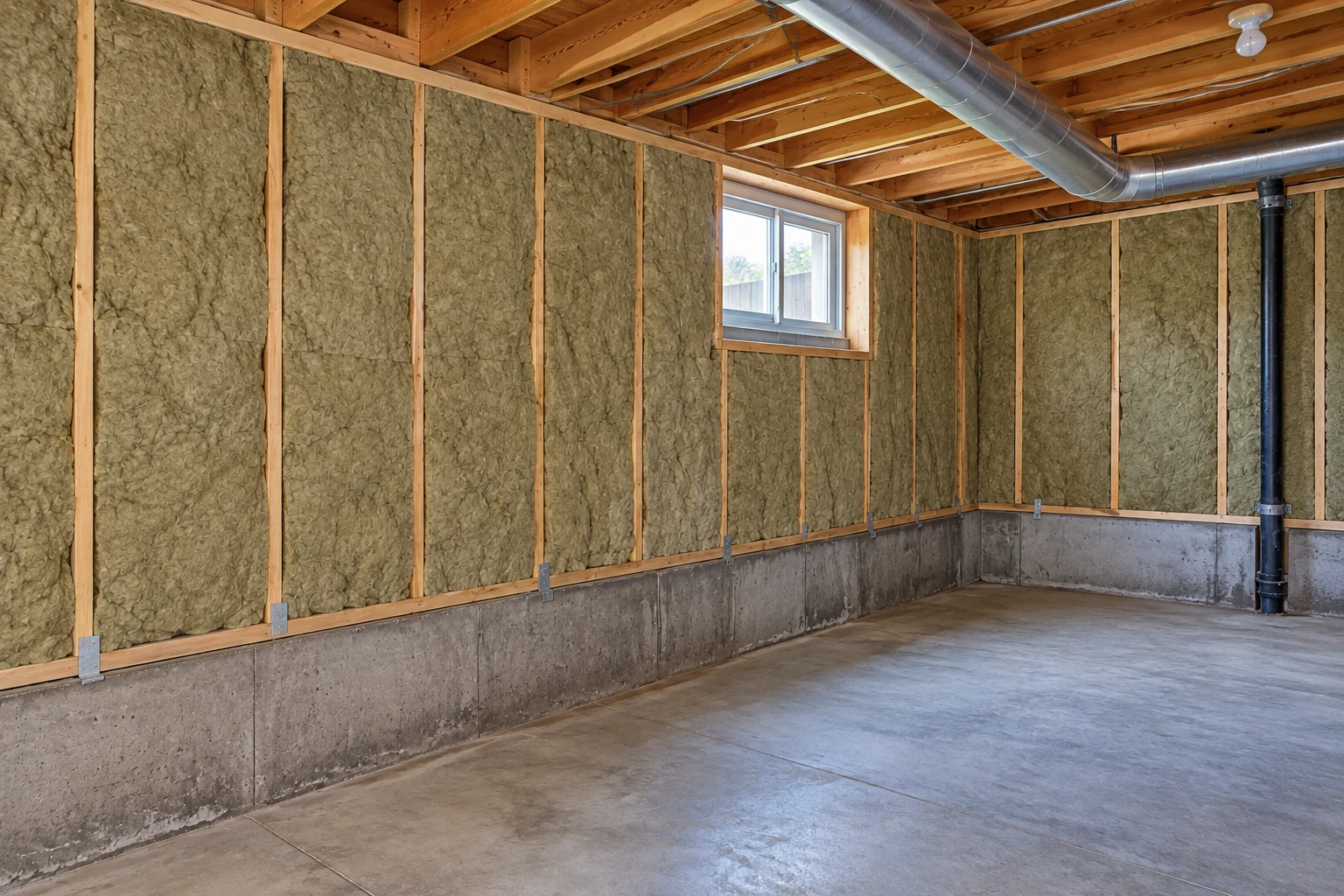
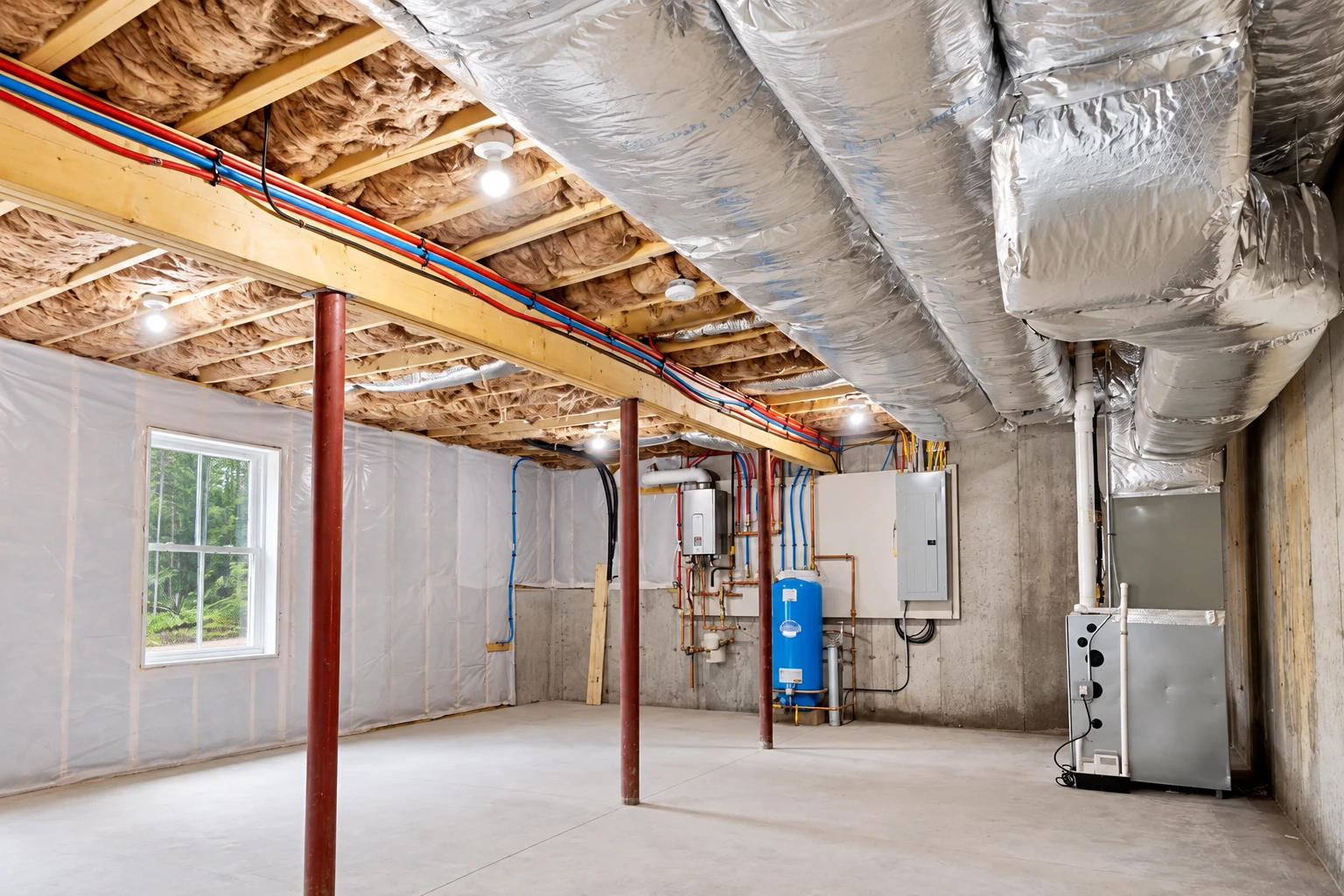
Where a house has a basement, we insulate the walls and the rim joist, the band of framing on top of the foundation. The room stays usable and the floor above stays warmer.
Closed-cell foam is dense foam that also blocks moisture, so we use it on rim joists, metal buildings and walls that sweat in cold weather. It's the pricier of the two foams.
This softer, lighter foam seals air well and fills odd-shaped cavities, often sprayed under the roof deck when the ductwork runs through the attic. It doesn't stop moisture the way closed-cell does, so where it goes matters.
Shop and building owners call us when a space won't hold its temperature. We look at the walls, roof and doors, then pick foam, batts or blown-in for how the building is actually used.
We lay a plastic ground cover across the dirt under your house, overlapped and taped at the seams. It keeps ground moisture off the framing and keeps the floor insulation dry after a heavy storm.
A vapor barrier keeps moisture from moving into walls or ceilings, where it can condense. Which side it goes on matters, so we place it for how your house heats and cools, not out of habit.
Before topping up an attic, we seal the hatch, can lights, flue and wire holes from above. It's the step most often skipped, and it's why some attics still feel drafty after new insulation.
This adds insulation to a finished house without tearing it apart. We work through the attic, the crawl space and small wall holes, and plan around what's already in place instead of starting over.
Send the form and we'll reply within one business day to set a time. I come out to Lucerne Valley, look at the space myself and write you a free estimate with no obligation.
I go up in the attic or under the floor myself before writing anything down, so the estimate covers what's really there, including old material that has to come out.
The people who show up to do the work are our crew, and they work from the same notes I took when I came out to look at your house.
I check the work before we pack up, looking at the edges, the vents and the hatch, so nothing gets buried or left thin. Satisfaction guaranteed on every job.
Here are straight answers to what people out here ask before they hire us, from permits to leaving the house to paying up front.
Maybe, so check with San Bernardino County's Building and Safety before work starts. Its permit list names additions and alterations, re-roofing and repairs but doesn't name insulation, and it says other work can still need a permit, so call the county's desert-area line at (760) 995-8140. When a job calls for a permit, we handle the paperwork and set up the inspections.
For blown-in or batts you can usually stay home, and the time we're up there turns on the attic's size and whether old material comes out first. Spray foam is different, so you, the kids and the pets stay out until the foam maker's re-entry time, the wait before it's safe to come back, has passed. I'll tell you which applies at the estimate.
No more than $1,000 or 10 percent of the contract price, whichever is less. That's the state licensing board's rule for every home improvement project, insulation included, and later payments have to be listed in the contract and tied to work done or materials delivered. Look for that payment schedule in any contract before you sign.
Each city below has its own page on our site. If yours isn't listed, call (760) 713-8598 and ask, because we work in other cities around Hesperia too.
We answer seven days a week from 7 AM to 11 PM, so call (760) 713-8598 or send the form after work.